 medicine
Similar presentations:





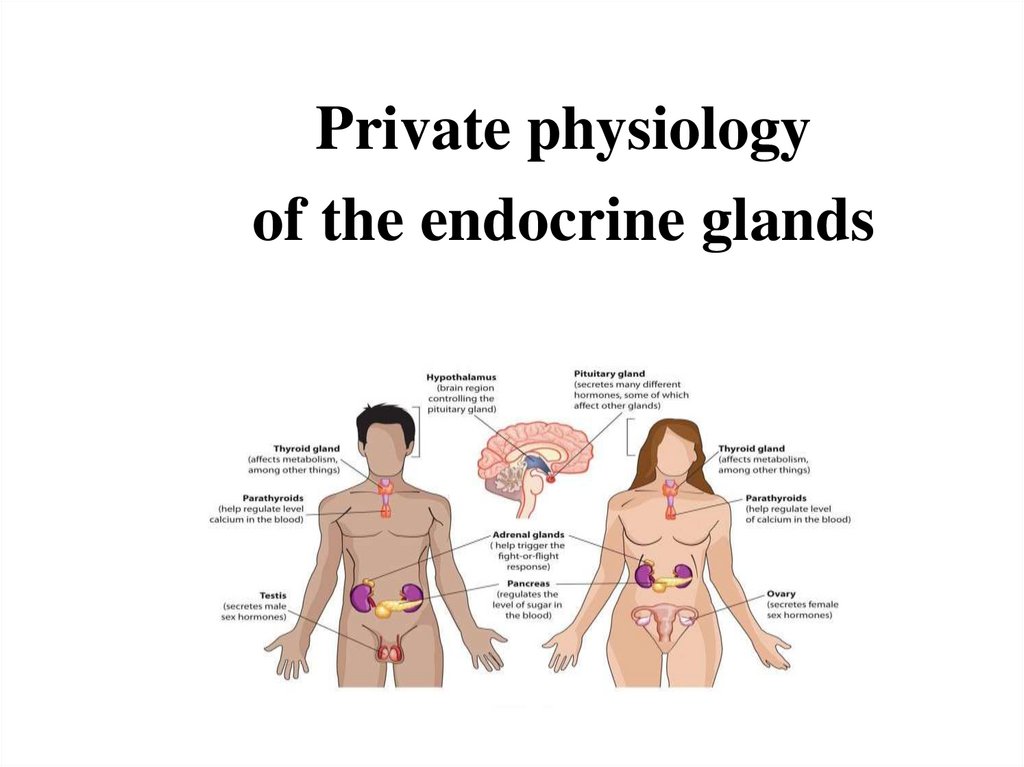
Private physiology of the endocrine glands
1.
Private physiologyof the endocrine glands
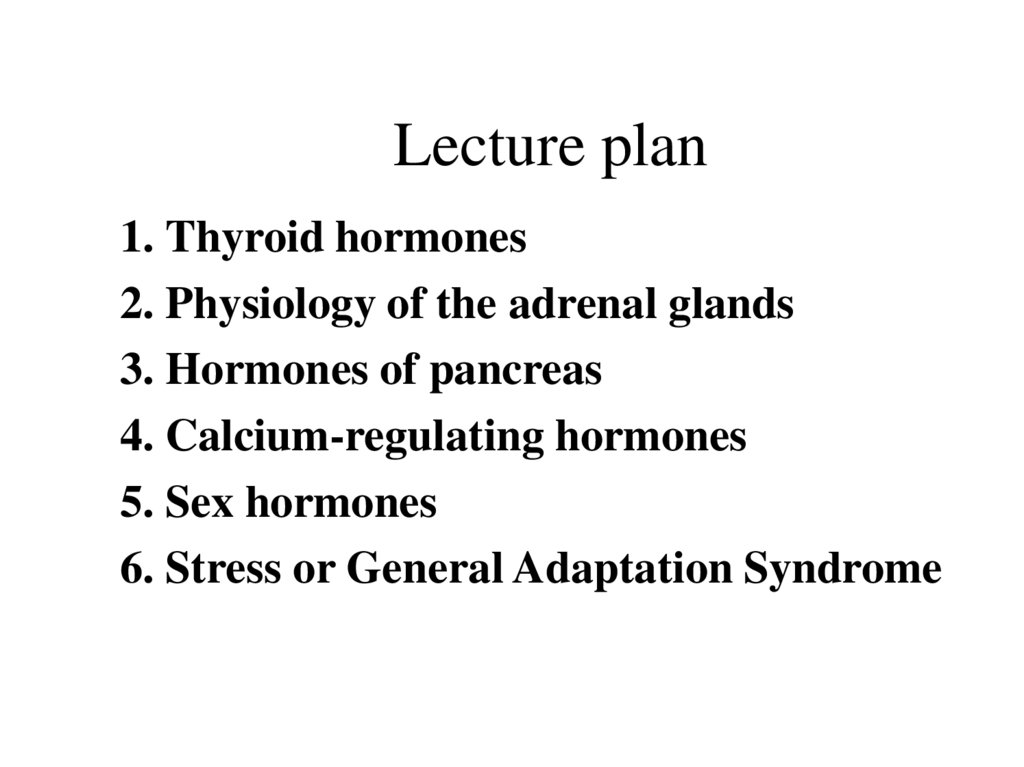
2. Lecture plan
1. Thyroid hormones2. Physiology of the adrenal glands
3. Hormones of pancreas
4. Calcium-regulating hormones
5. Sex hormones
6. Stress or General Adaptation Syndrome
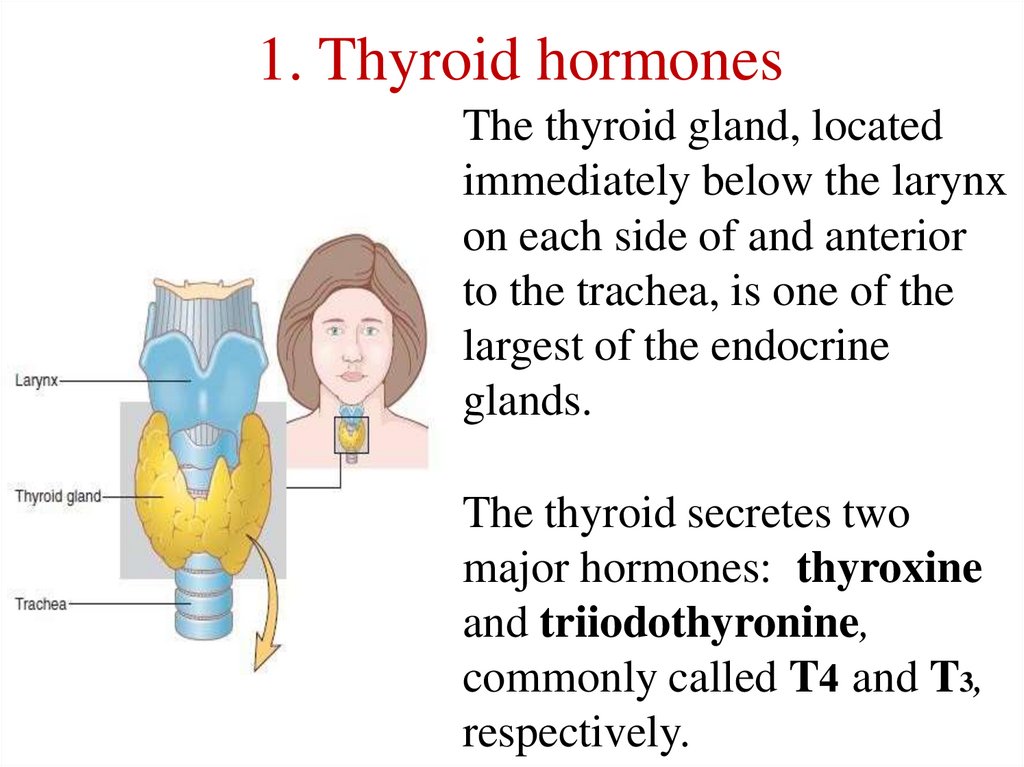
3. 1. Thyroid hormones
The thyroid gland, locatedimmediately below the larynx
on each side of and anterior
to the trachea, is one of the
largest of the endocrine
glands.
The thyroid secretes two
major hormones: thyroxine
and triiodothyronine,
commonly called T4 and T3,
respectively.
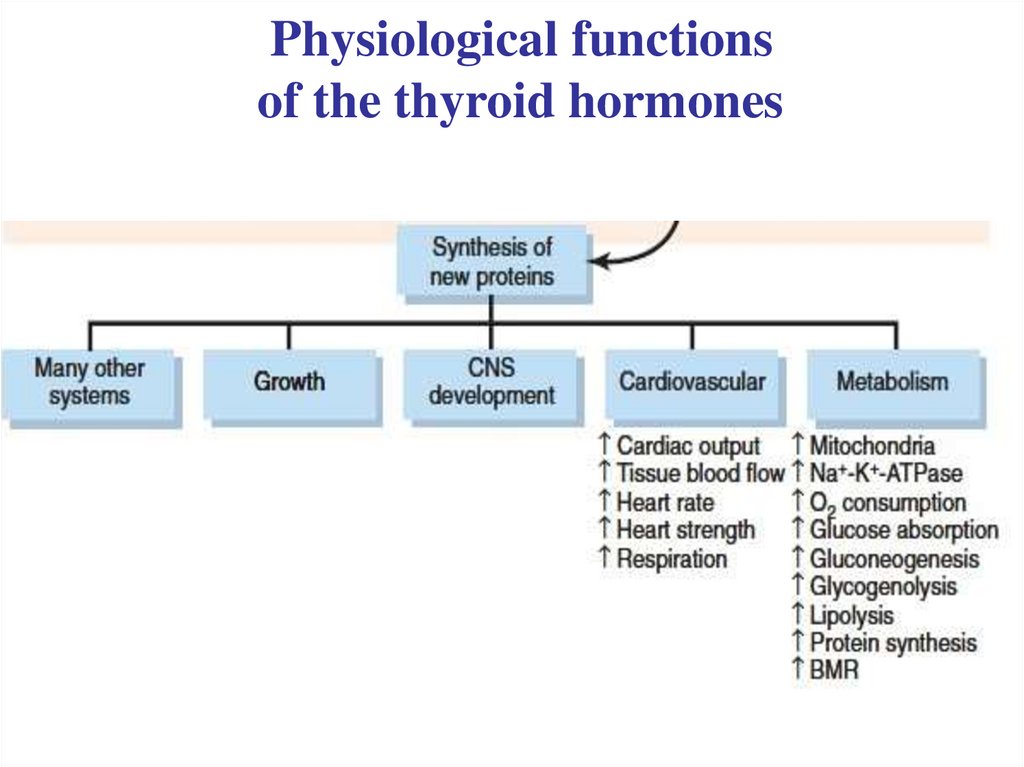
4. Physiological functions of the thyroid hormones
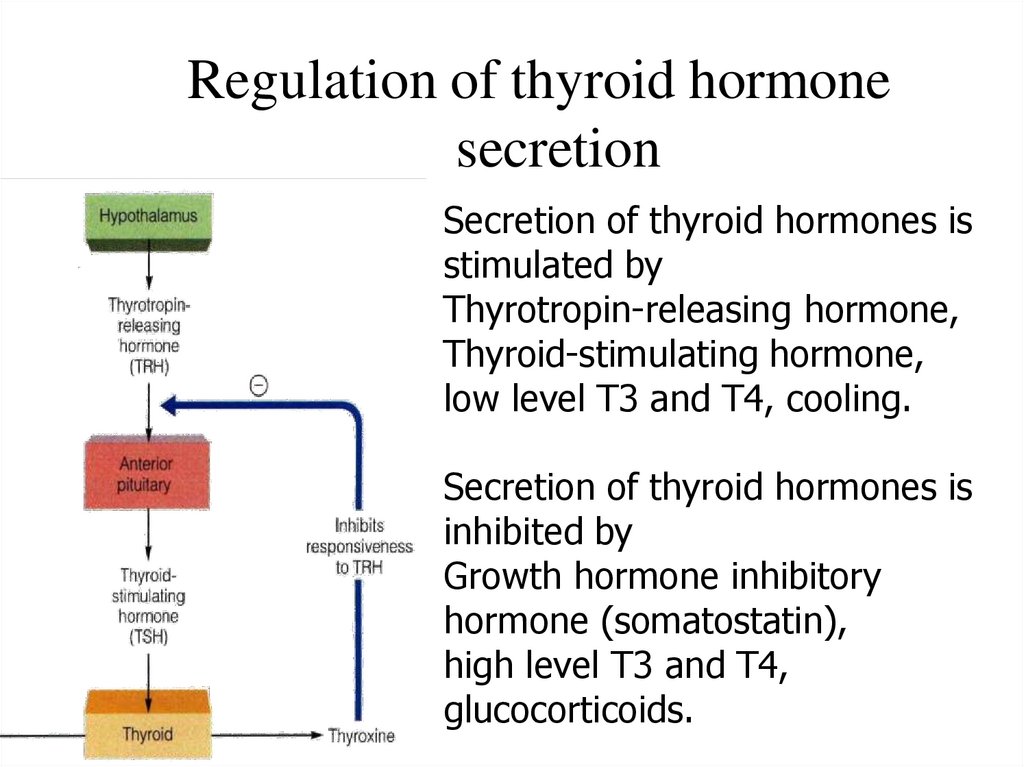
5. Regulation of thyroid hormone secretion
Secretion of thyroid hormones isstimulated by
Thyrotropin-releasing hormone,
Thyroid-stimulating hormone,
low level T3 and T4, cooling.
Secretion of thyroid hormones is
inhibited by
Growth hormone inhibitory
hormone (somatostatin),
high level T3 and T4,
glucocorticoids.
6. Diseases of the Thyroid
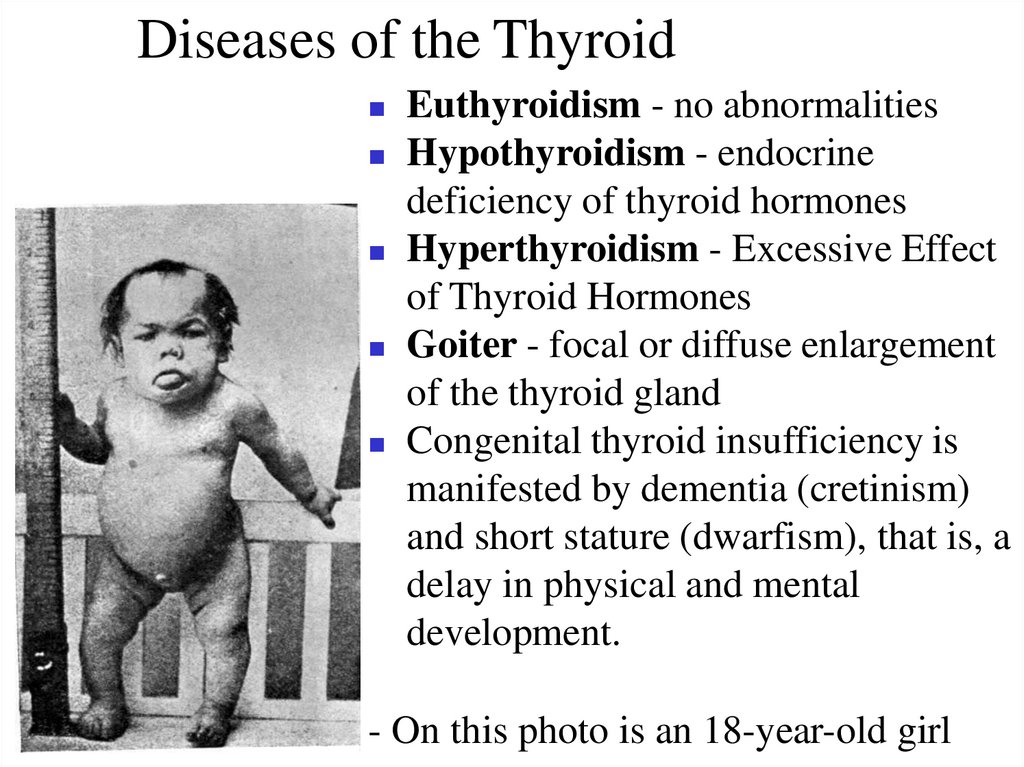
Euthyroidism - no abnormalitiesHypothyroidism - endocrine
deficiency of thyroid hormones
Hyperthyroidism - Excessive Effect
of Thyroid Hormones
Goiter - focal or diffuse enlargement
of the thyroid gland
Congenital thyroid insufficiency is
manifested by dementia (cretinism)
and short stature (dwarfism), that is, a
delay in physical and mental
development.
- On this photo is an 18-year-old girl
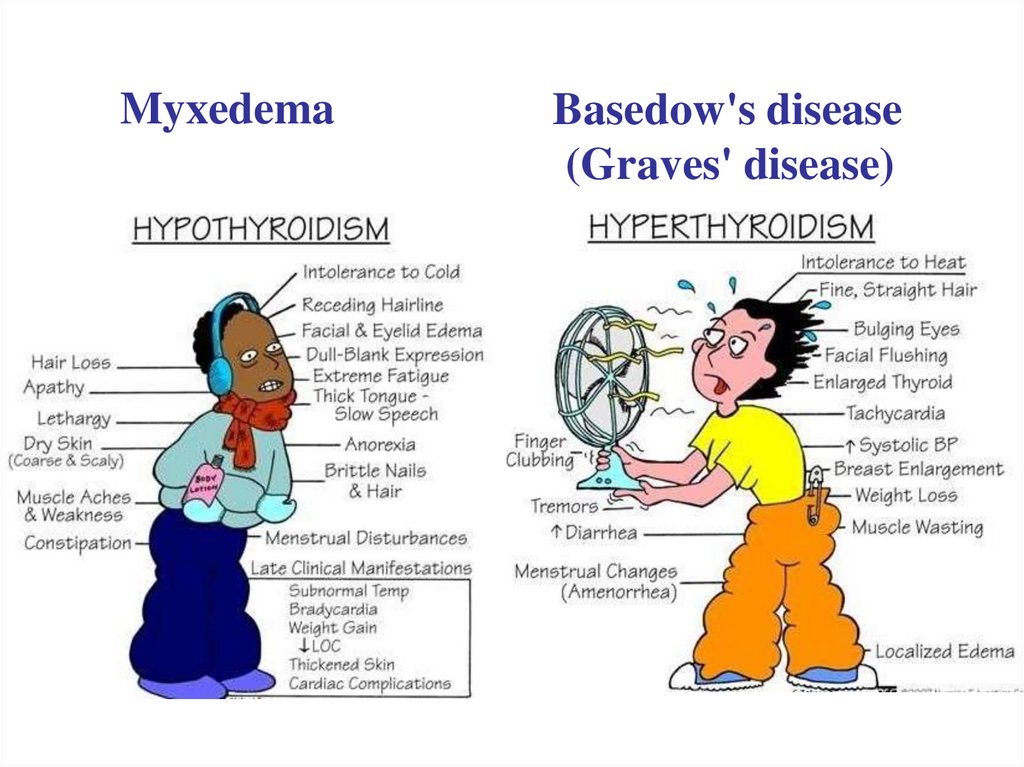
7. Basedow's disease (Graves' disease)
MyxedemaBasedow's disease
(Graves' disease)
8. 2. Physiology of the adrenal glands
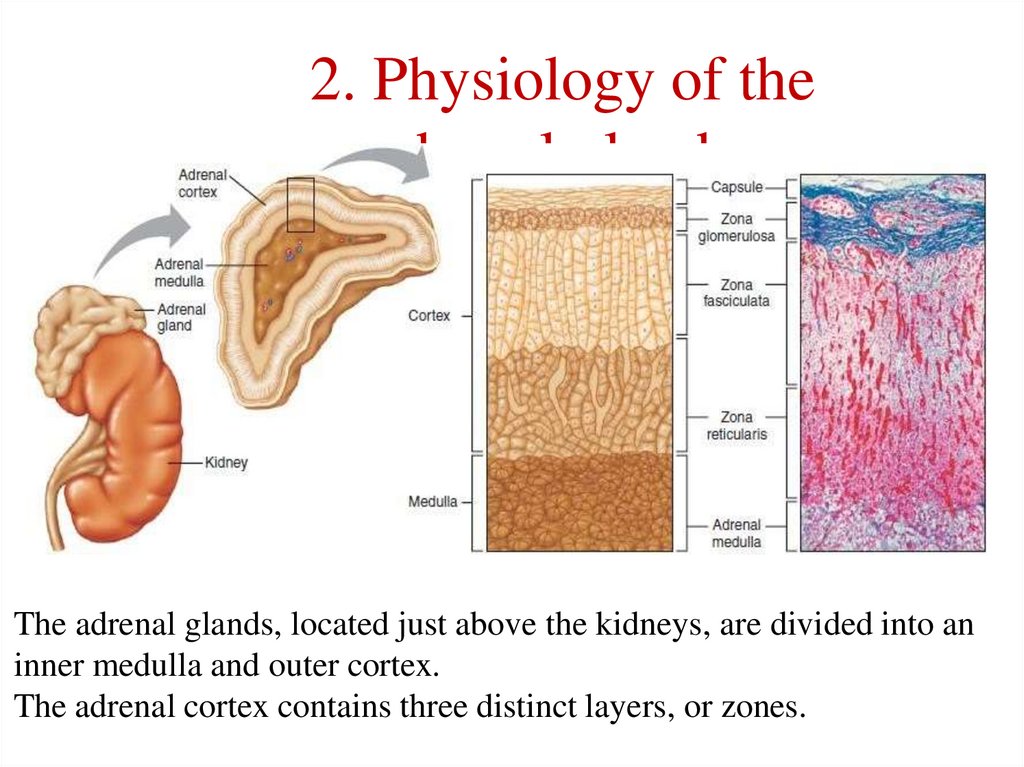
The adrenal glands, located just above the kidneys, are divided into aninner medulla and outer cortex.
The adrenal cortex contains three distinct layers, or zones.
9.
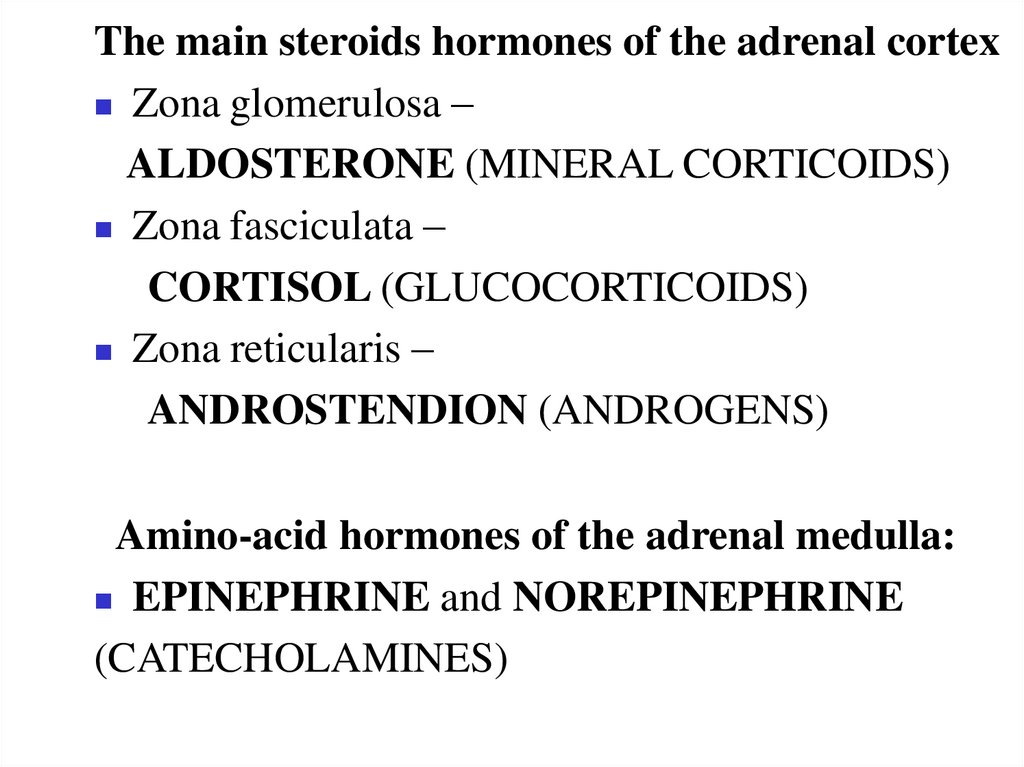
The main steroids hormones of the adrenal cortexZona glomerulosa –
ALDOSTERONE (MINERAL CORTICOIDS)
Zona fasciculata –
CORTISOL (GLUCOCORTICOIDS)
Zona reticularis –
ANDROSTENDION (ANDROGENS)
Amino-acid hormones of the adrenal medulla:
EPINEPHRINE and NOREPINEPHRINE
(CATECHOLAMINES)
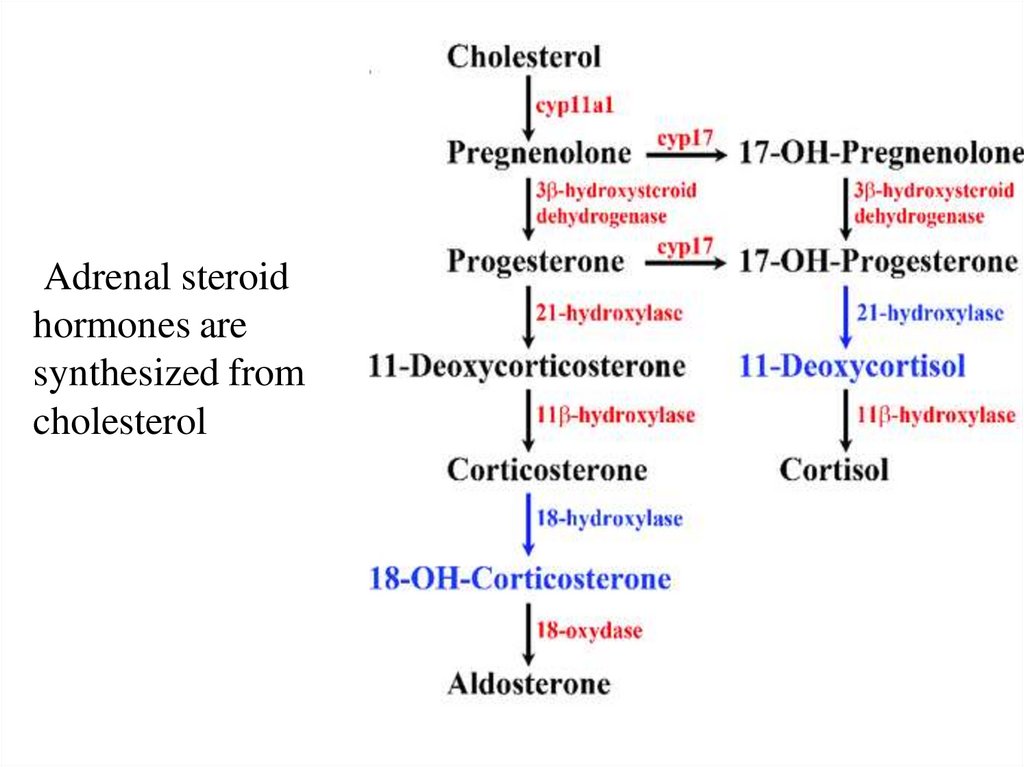
10. Adrenal steroid hormones are synthesized from cholesterol
11.
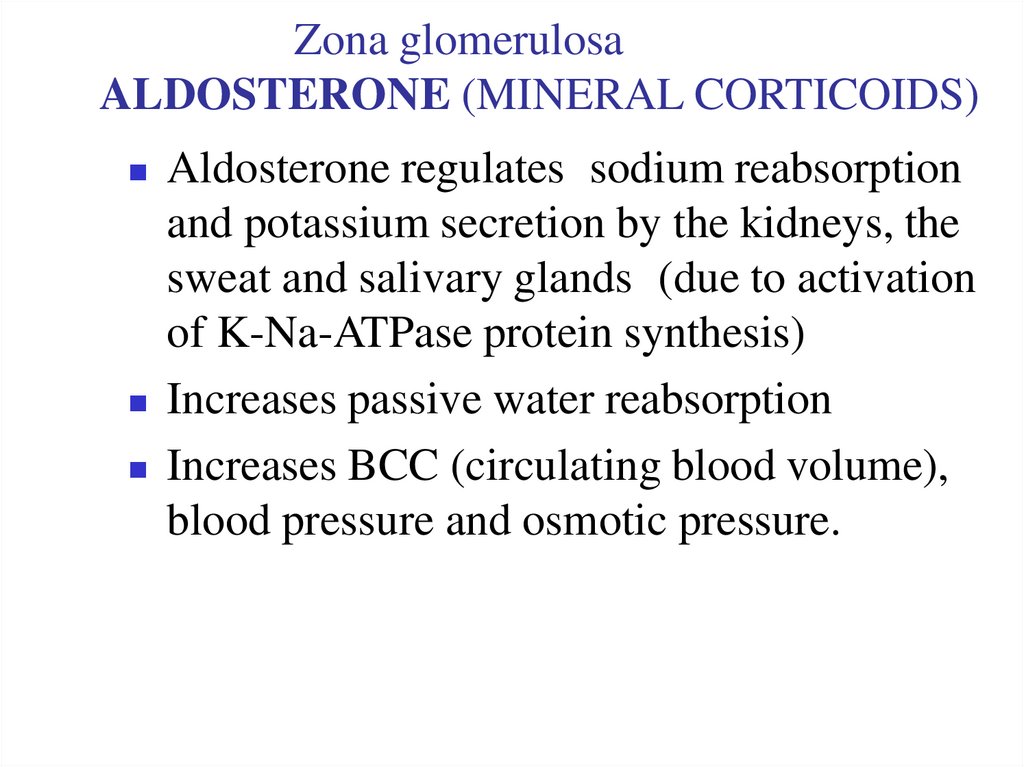
Zona glomerulosaALDOSTERONE (MINERAL CORTICOIDS)
Aldosterone regulates sodium reabsorption
and potassium secretion by the kidneys, the
sweat and salivary glands (due to activation
of K-Na-ATPase protein synthesis)
Increases passive water reabsorption
Increases BCC (circulating blood volume),
blood pressure and osmotic pressure.
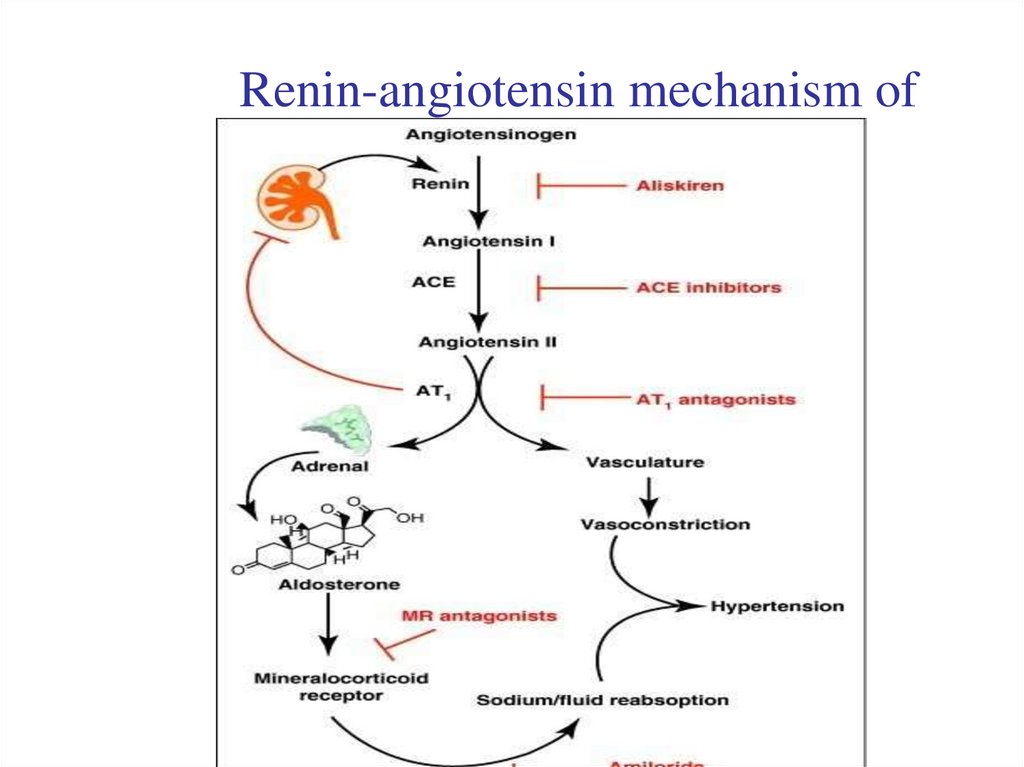
12. Renin-angiotensin mechanism of aldosterone production
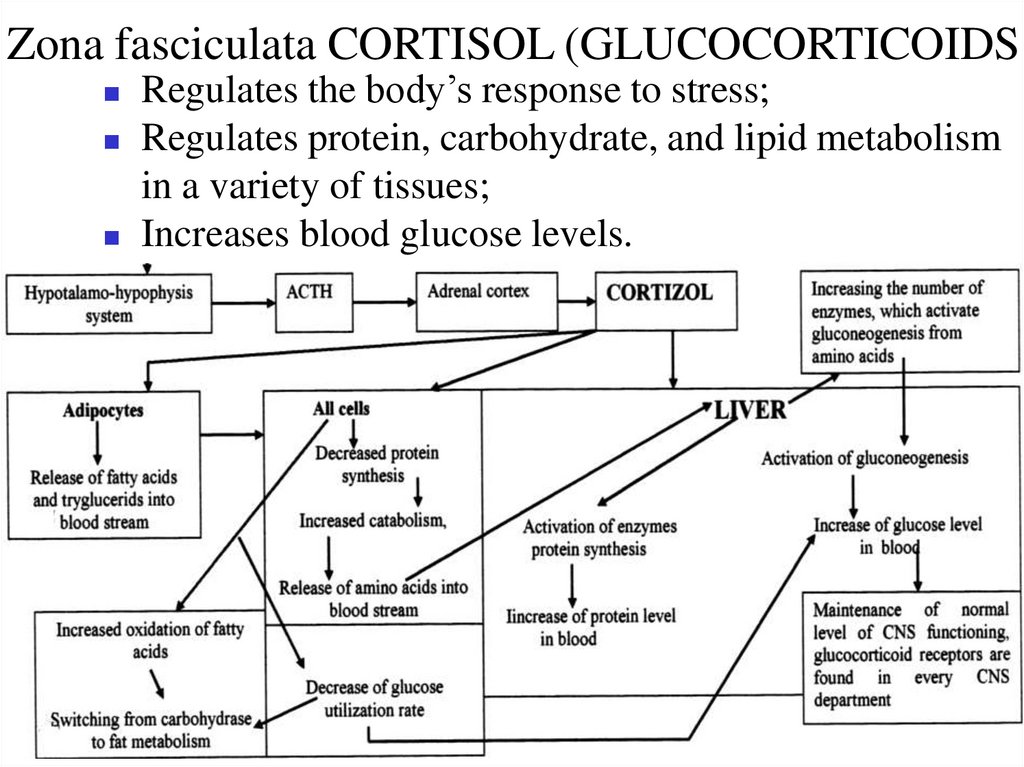
13. Zona fasciculata CORTISOL (GLUCOCORTICOIDS
Regulates the body’s response to stress;Regulates protein, carbohydrate, and lipid metabolism
in a variety of tissues;
Increases blood glucose levels.
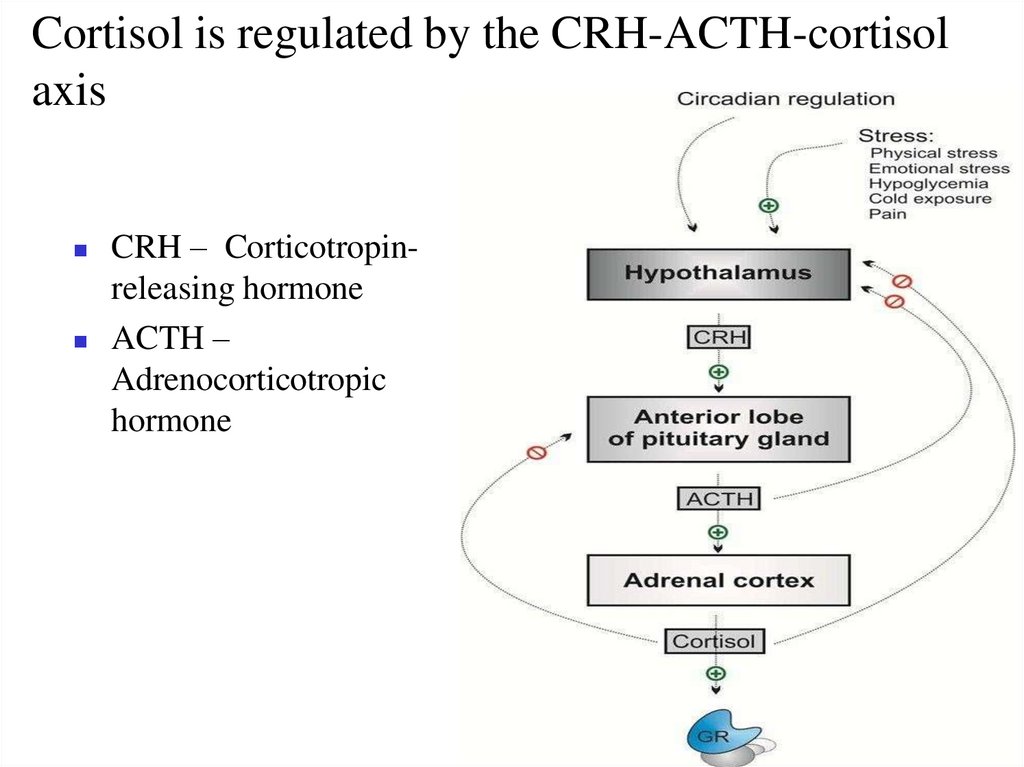
14. Cortisol is regulated by the CRH-ACTH-cortisol axis
CRH – Corticotropinreleasing hormoneACTH –
Adrenocorticotropic
hormone
15.
Zona reticularis ANDROSTENDION (ANDROGENSSex differences:
- in men, only 5% of all androgens are
synthesized in the adrenal glands
- in women, about 50% of the total amount of
androgens
Effects of Adrenal Androgens:
- In the early antenatal period (12-20 weeks),
together with the testes, the development of
the male external genitals is provided
- Participate in triggering puberty.
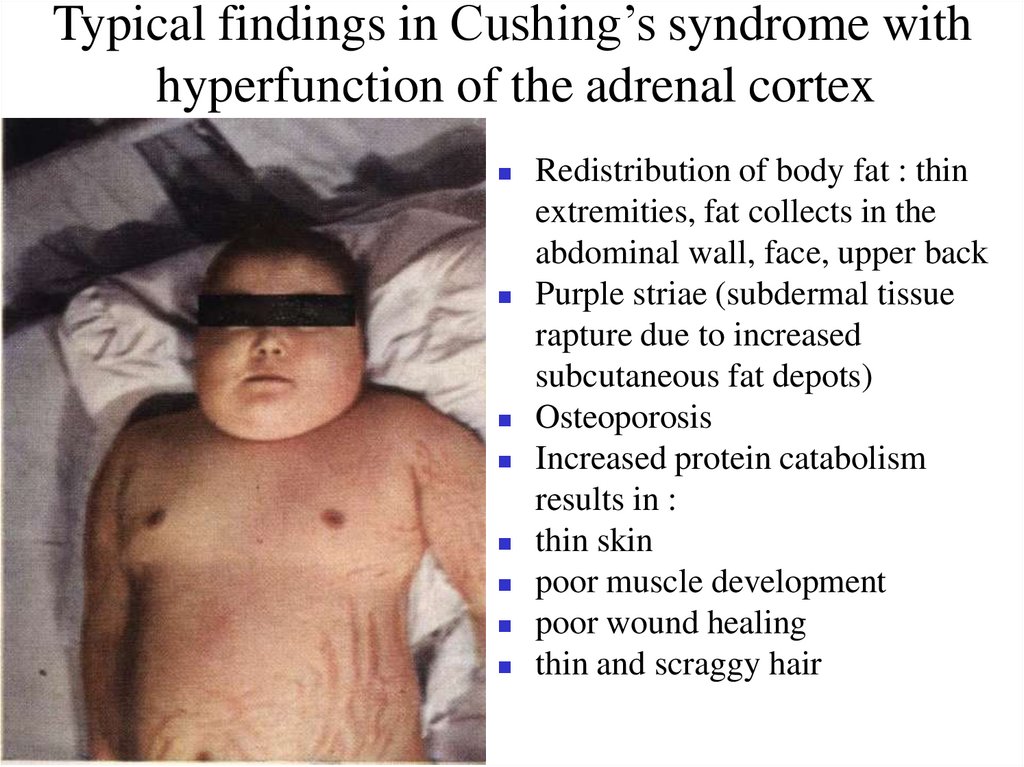
16. Typical findings in Cushing’s syndrome with hyperfunction of the adrenal cortex
Redistribution of body fat : thinextremities, fat collects in the
abdominal wall, face, upper back
Purple striae (subdermal tissue
rapture due to increased
subcutaneous fat depots)
Osteoporosis
Increased protein catabolism
results in :
thin skin
poor muscle development
poor wound healing
thin and scraggy hair
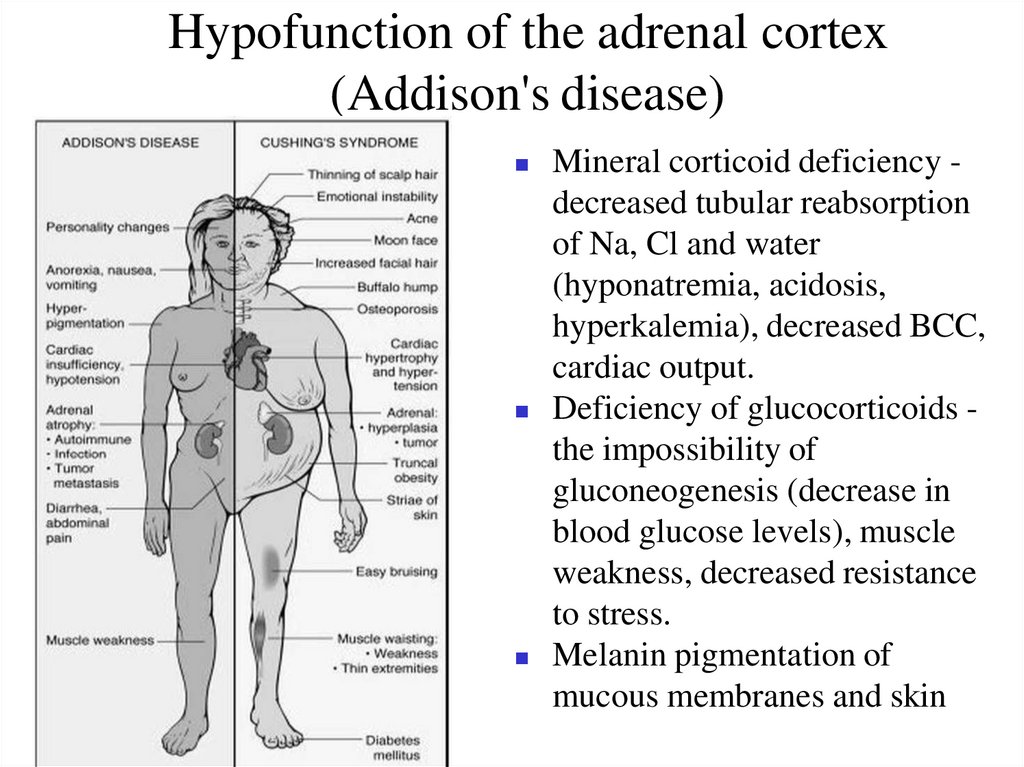
17. Hypofunction of the adrenal cortex (Addison's disease)
Hypofunction of the adrenal cortex(Addison's disease)
Mineral corticoid deficiency decreased tubular reabsorption
of Na, Cl and water
(hyponatremia, acidosis,
hyperkalemia), decreased BCC,
cardiac output.
Deficiency of glucocorticoids the impossibility of
gluconeogenesis (decrease in
blood glucose levels), muscle
weakness, decreased resistance
to stress.
Melanin pigmentation of
mucous membranes and skin
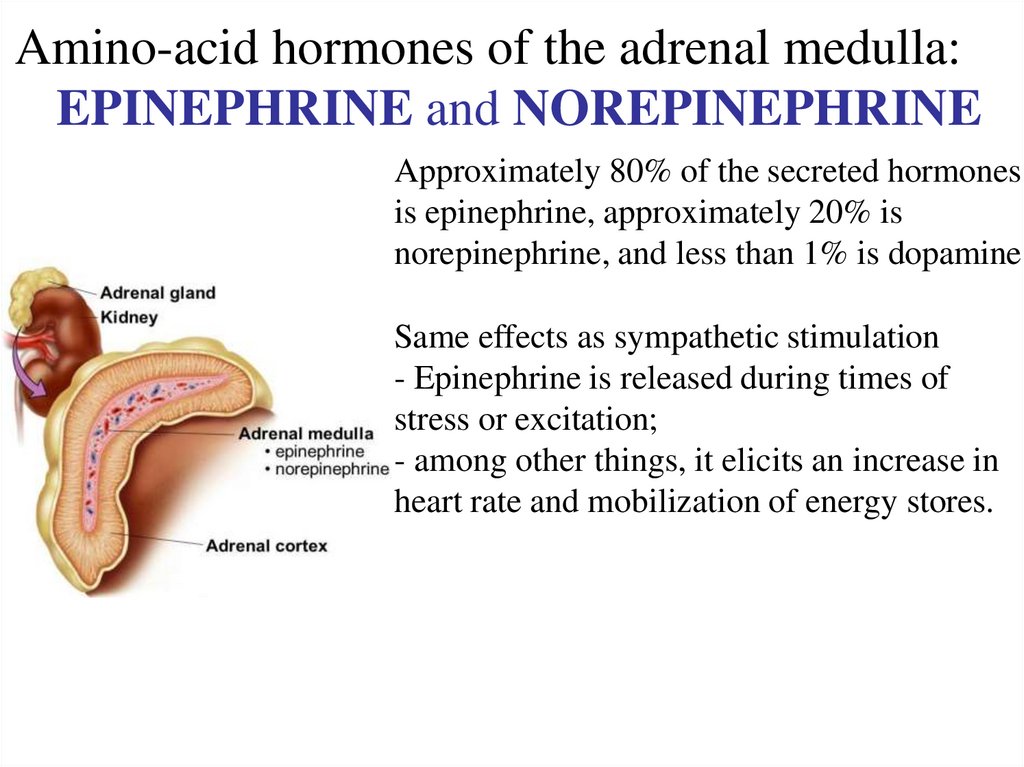
18. Amino-acid hormones of the adrenal medulla:
EPINEPHRINE and NOREPINEPHRINEApproximately 80% of the secreted hormones
is epinephrine, approximately 20% is
norepinephrine, and less than 1% is dopamine
Same effects as sympathetic stimulation
- Epinephrine is released during times of
stress or excitation;
- among other things, it elicits an increase in
heart rate and mobilization of energy stores.
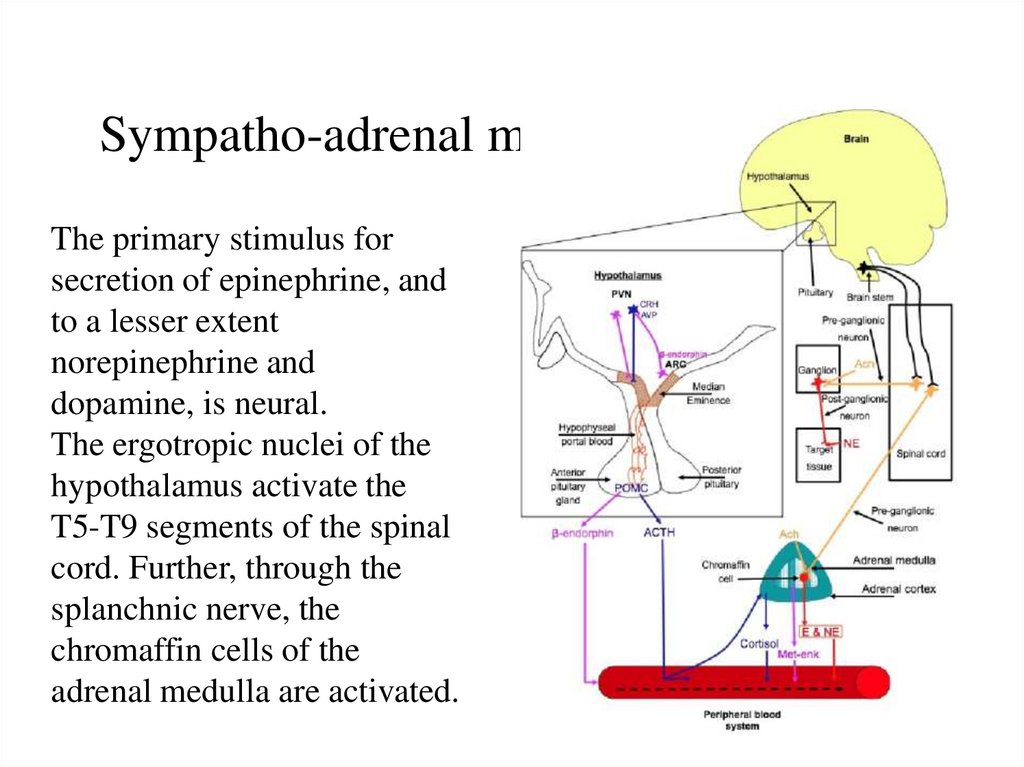
19. Sympatho-adrenal medullary system
The primary stimulus forsecretion of epinephrine, and
to a lesser extent
norepinephrine and
dopamine, is neural.
The ergotropic nuclei of the
hypothalamus activate the
T5-T9 segments of the spinal
cord. Further, through the
splanchnic nerve, the
chromaffin cells of the
adrenal medulla are activated.
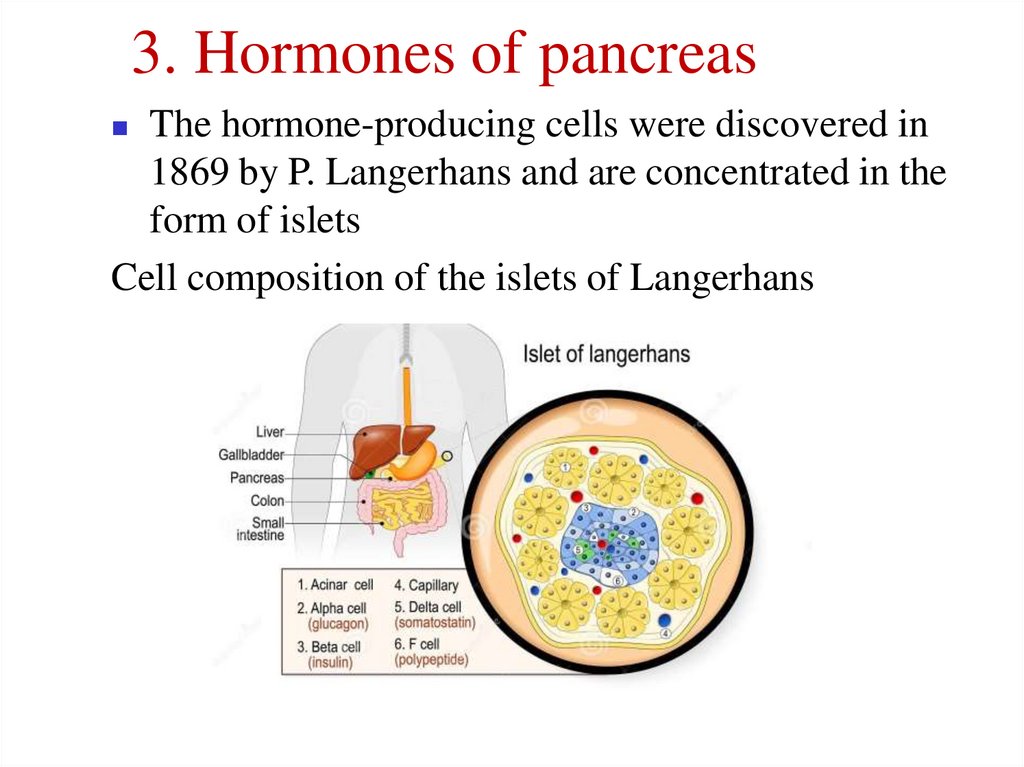
20. 3. Hormones of pancreas
The hormone-producing cells were discovered in1869 by P. Langerhans and are concentrated in the
form of islets
Cell composition of the islets of Langerhans
21. Hormones of pancreas
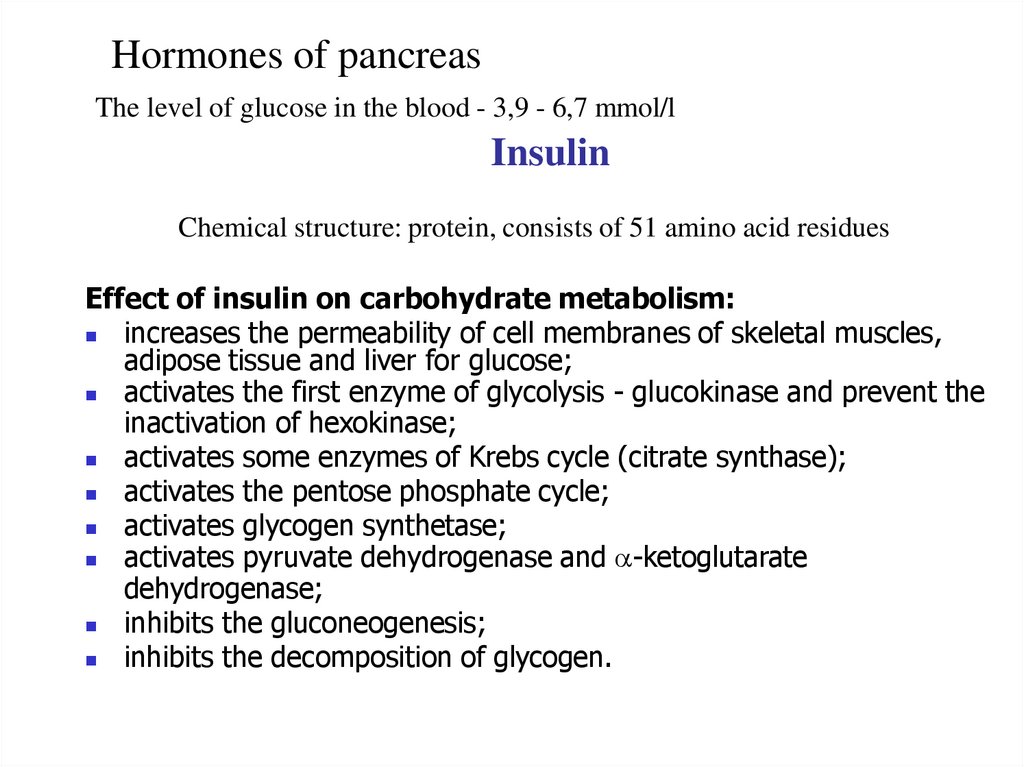
The level of glucose in the blood - 3,9 - 6,7 mmol/lInsulin
Chemical structure: protein, consists of 51 amino acid residues
Effect of insulin on carbohydrate metabolism:
increases the permeability of cell membranes of skeletal muscles,
adipose tissue and liver for glucose;
activates the first enzyme of glycolysis - glucokinase and prevent the
inactivation of hexokinase;
activates some enzymes of Krebs cycle (citrate synthase);
activates the pentose phosphate cycle;
activates glycogen synthetase;
activates pyruvate dehydrogenase and -ketoglutarate
dehydrogenase;
inhibits the gluconeogenesis;
inhibits the decomposition of glycogen.
22.
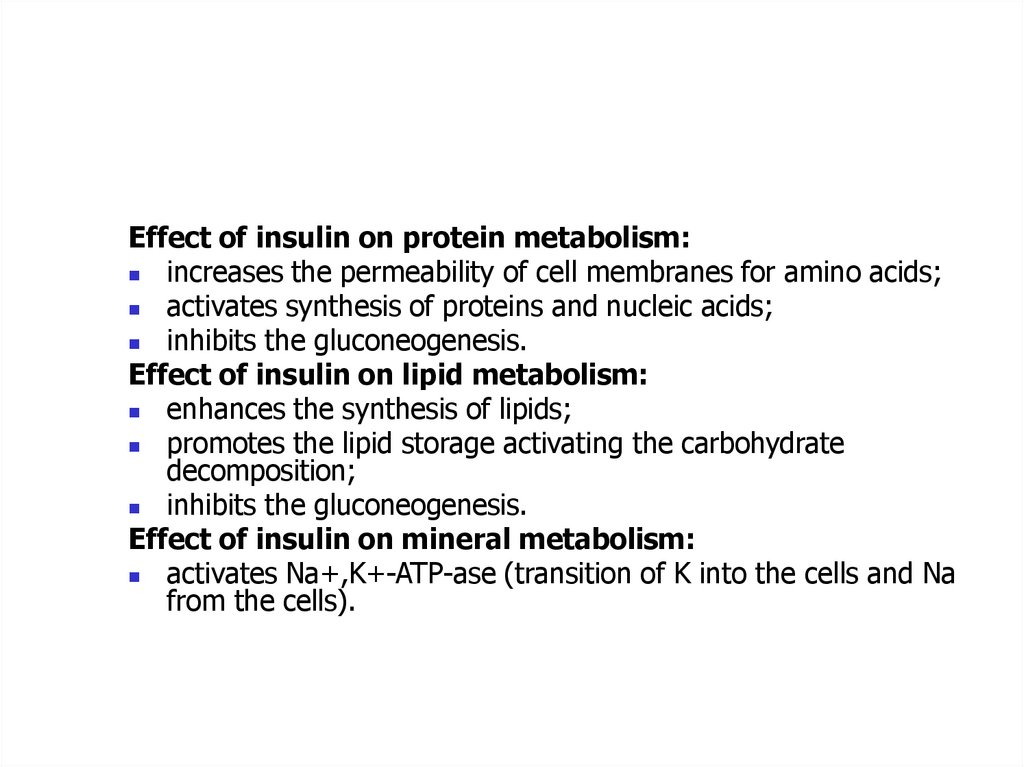
Effect of insulin on protein metabolism:increases the permeability of cell membranes for amino acids;
activates synthesis of proteins and nucleic acids;
inhibits the gluconeogenesis.
Effect of insulin on lipid metabolism:
enhances the synthesis of lipids;
promotes the lipid storage activating the carbohydrate
decomposition;
inhibits the gluconeogenesis.
Effect of insulin on mineral metabolism:
activates Na+,K+-ATP-ase (transition of K into the cells and Na
from the cells).
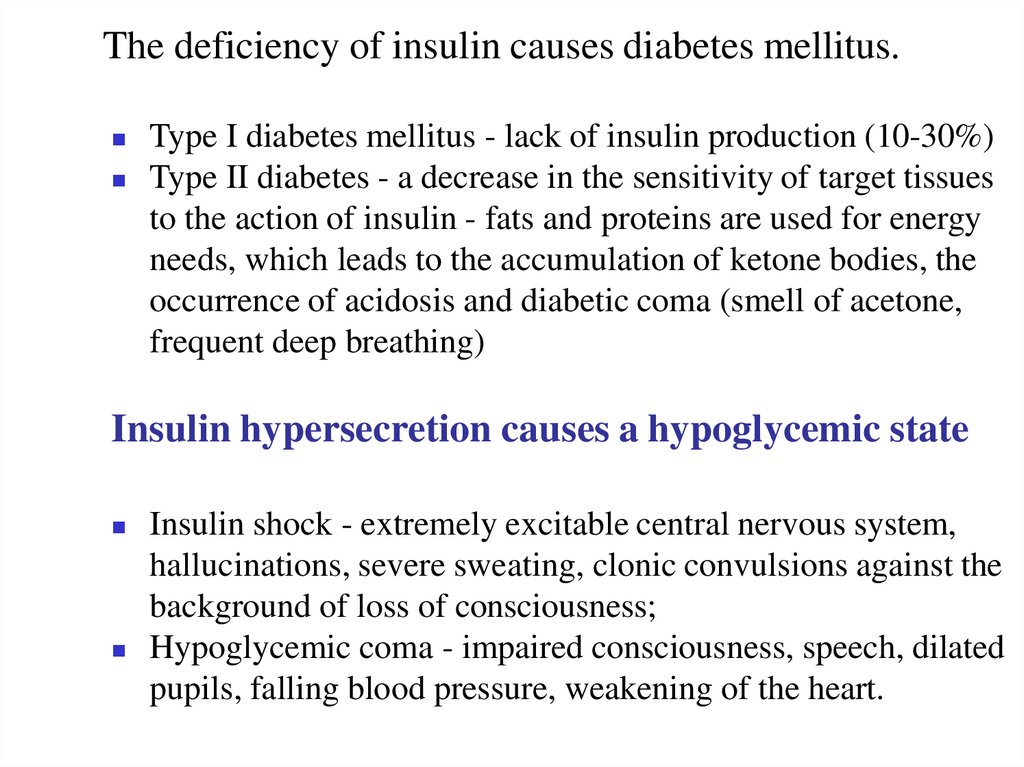
23. The deficiency of insulin causes diabetes mellitus.
Type I diabetes mellitus - lack of insulin production (10-30%)Type II diabetes - a decrease in the sensitivity of target tissues
to the action of insulin - fats and proteins are used for energy
needs, which leads to the accumulation of ketone bodies, the
occurrence of acidosis and diabetic coma (smell of acetone,
frequent deep breathing)
Insulin hypersecretion causes a hypoglycemic state
Insulin shock - extremely excitable central nervous system,
hallucinations, severe sweating, clonic convulsions against the
background of loss of consciousness;
Hypoglycemic coma - impaired consciousness, speech, dilated
pupils, falling blood pressure, weakening of the heart.
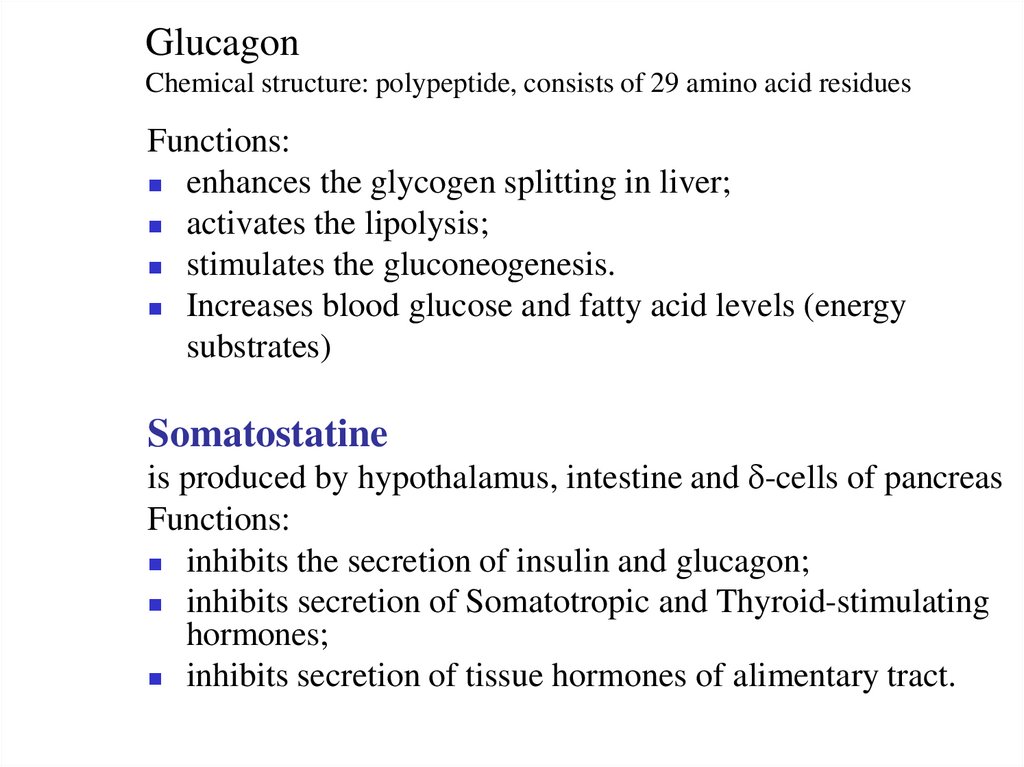
24. Glucagon
Chemical structure: polypeptide, consists of 29 amino acid residuesFunctions:
enhances the glycogen splitting in liver;
activates the lipolysis;
stimulates the gluconeogenesis.
Increases blood glucose and fatty acid levels (energy
substrates)
Somatostatine
is produced by hypothalamus, intestine and -cells of pancreas
Functions:
inhibits the secretion of insulin and glucagon;
inhibits secretion of Somatotropic and Thyroid-stimulating
hormones;
inhibits secretion of tissue hormones of alimentary tract.
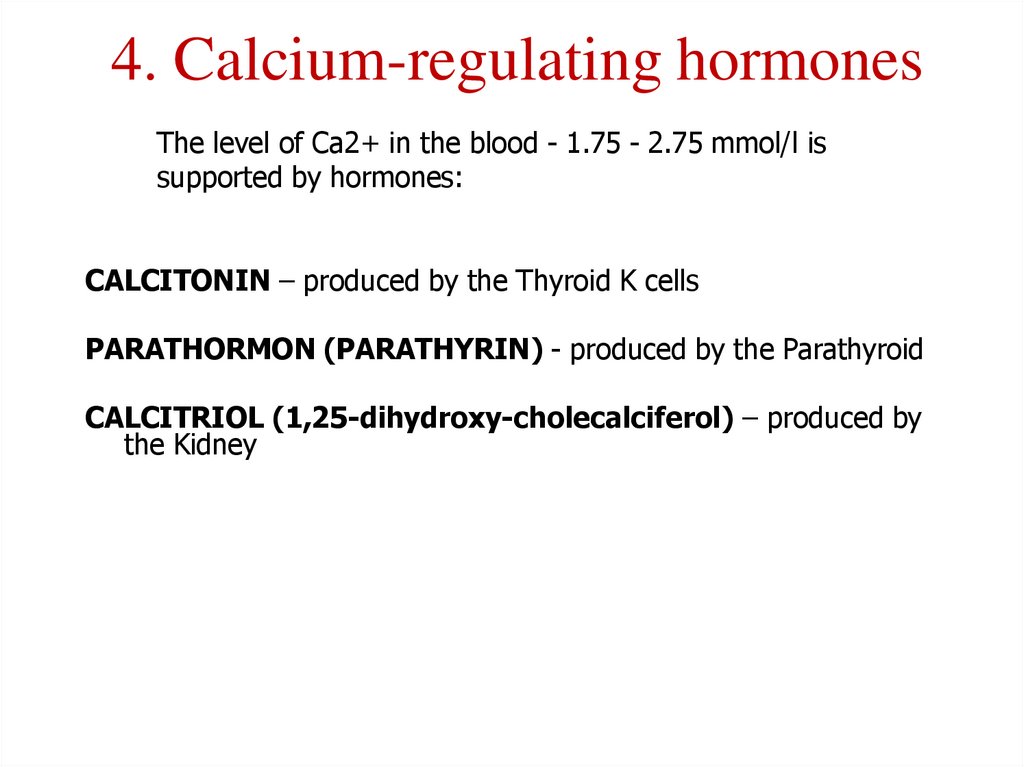
25. 4. Calcium-regulating hormones
The level of Ca2+ in the blood - 1.75 - 2.75 mmol/l issupported by hormones:
CALCITONIN – produced by the Thyroid K cells
PARATHORMON (PARATHYRIN) - produced by the Parathyroid
CALCITRIOL (1,25-dihydroxy-cholecalciferol) – produced by
the Kidney
26.
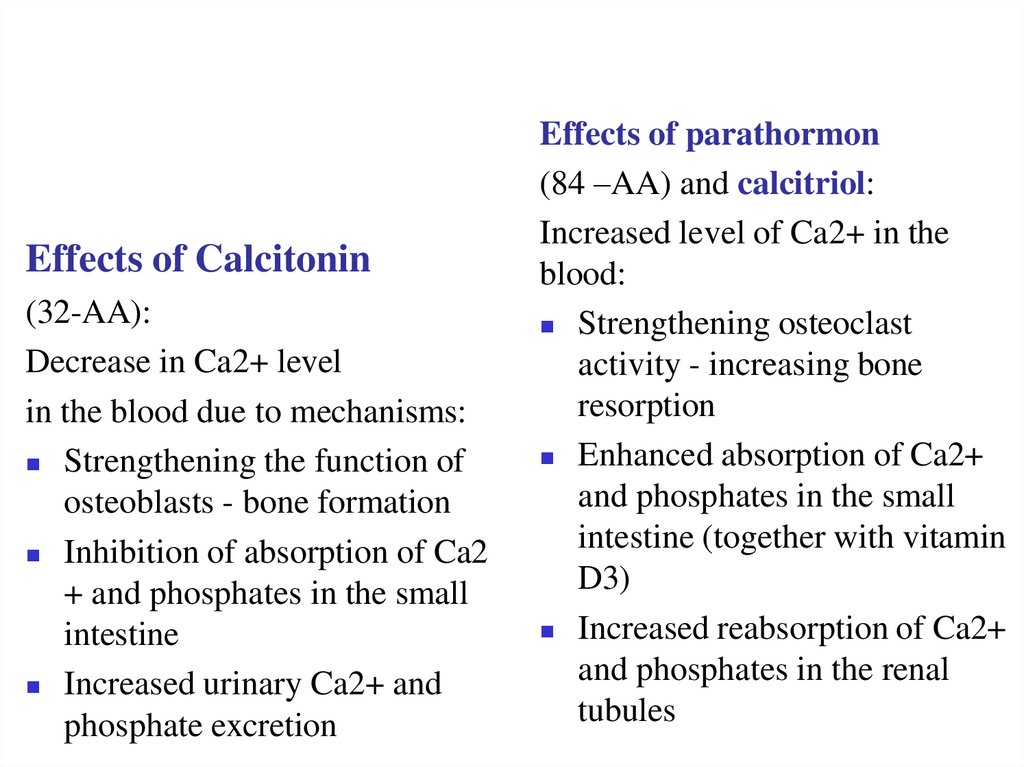
Effects of Calcitonin(32-AA):
Decrease in Ca2+ level
in the blood due to mechanisms:
Strengthening the function of
osteoblasts - bone formation
Inhibition of absorption of Ca2
+ and phosphates in the small
intestine
Increased urinary Ca2+ and
phosphate excretion
Effects of parathormon
(84 –AA) and calcitriol:
Increased level of Ca2+ in the
blood:
Strengthening osteoclast
activity - increasing bone
resorption
Enhanced absorption of Ca2+
and phosphates in the small
intestine (together with vitamin
D3)
Increased reabsorption of Ca2+
and phosphates in the renal
tubules
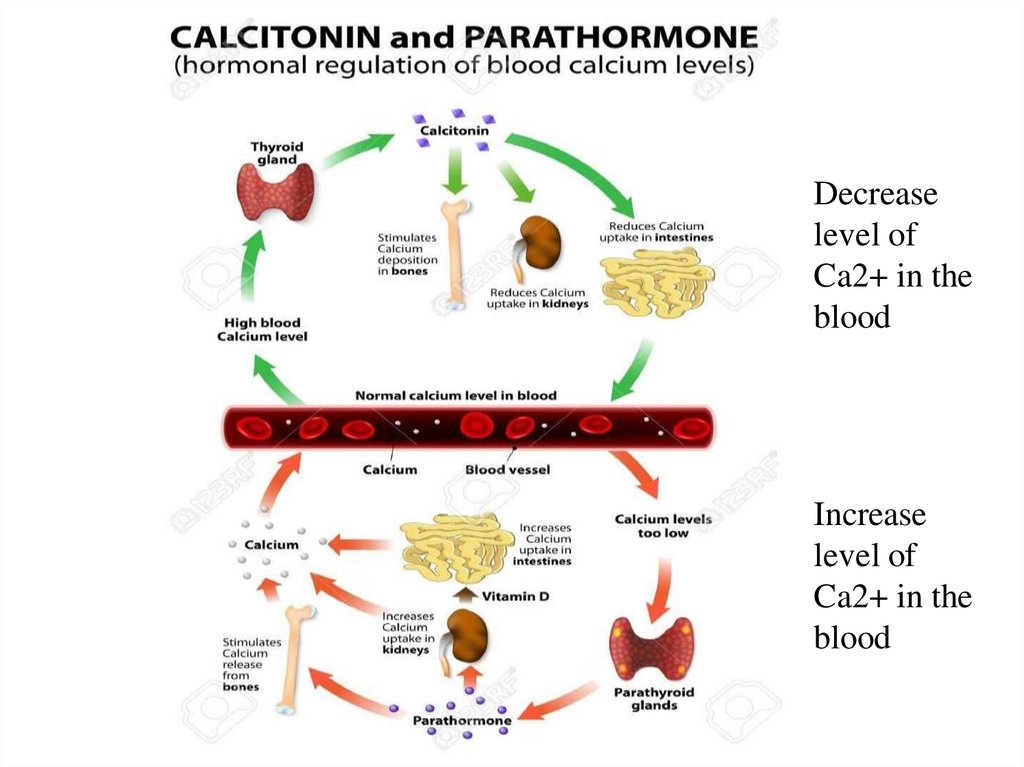
27. Decrease level of Ca2+ in the blood
Increaselevel of
Ca2+ in the
blood
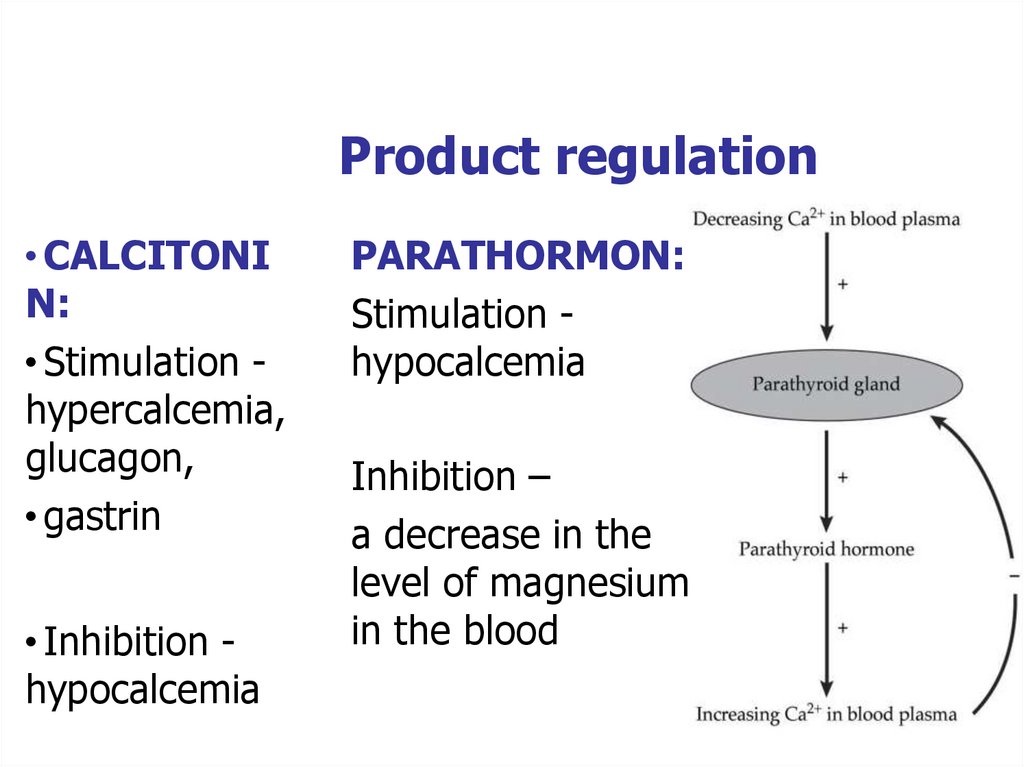
28. Product regulation
• CALCITONIN:
• Stimulation hypercalcemia,
glucagon,
• gastrin
• Inhibition hypocalcemia
PARATHORMON:
Stimulation hypocalcemia
Inhibition –
a decrease in the
level of magnesium
in the blood
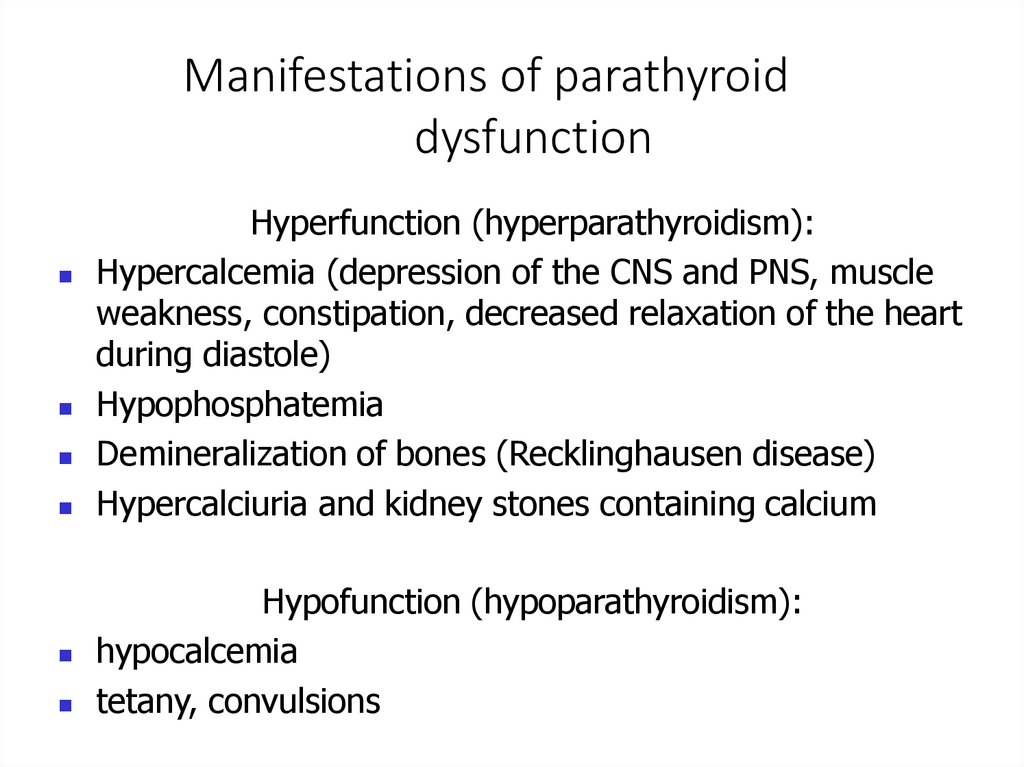
29. Manifestations of parathyroid dysfunction
Hyperfunction (hyperparathyroidism):Hypercalcemia (depression of the CNS and PNS, muscle
weakness, constipation, decreased relaxation of the heart
during diastole)
Hypophosphatemia
Demineralization of bones (Recklinghausen disease)
Hypercalciuria and kidney stones containing calcium
Hypofunction (hypoparathyroidism):
hypocalcemia
tetany, convulsions
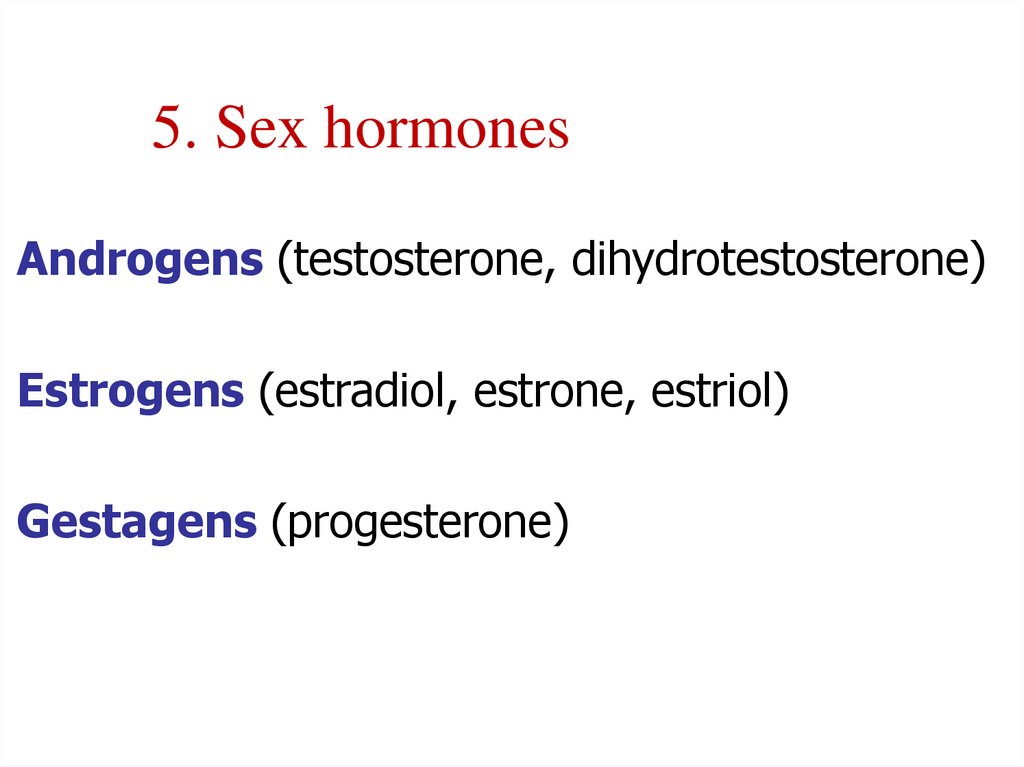
30. 5. Sex hormones
Androgens (testosterone, dihydrotestosterone)Estrogens (estradiol, estrone, estriol)
Gestagens (progesterone)
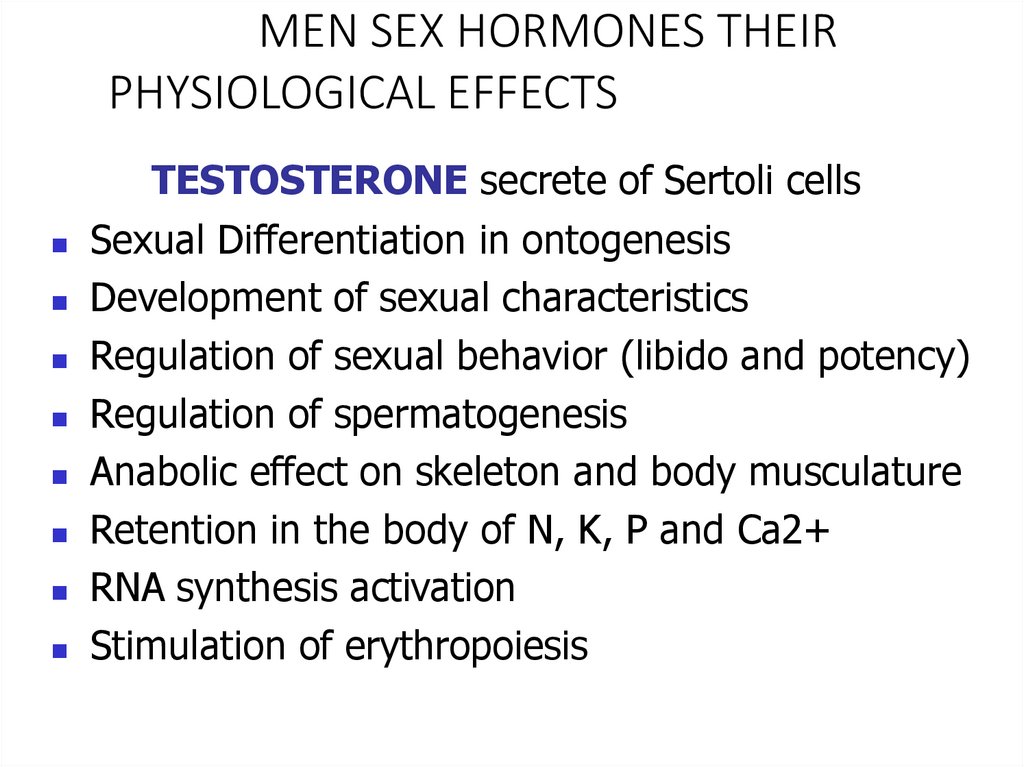
31. MEN SEX HORMONES THEIR PHYSIOLOGICAL EFFECTS
TESTOSTERONE secrete of Sertoli cellsSexual Differentiation in ontogenesis
Development of sexual characteristics
Regulation of sexual behavior (libido and potency)
Regulation of spermatogenesis
Anabolic effect on skeleton and body musculature
Retention in the body of N, K, P and Ca2+
RNA synthesis activation
Stimulation of erythropoiesis
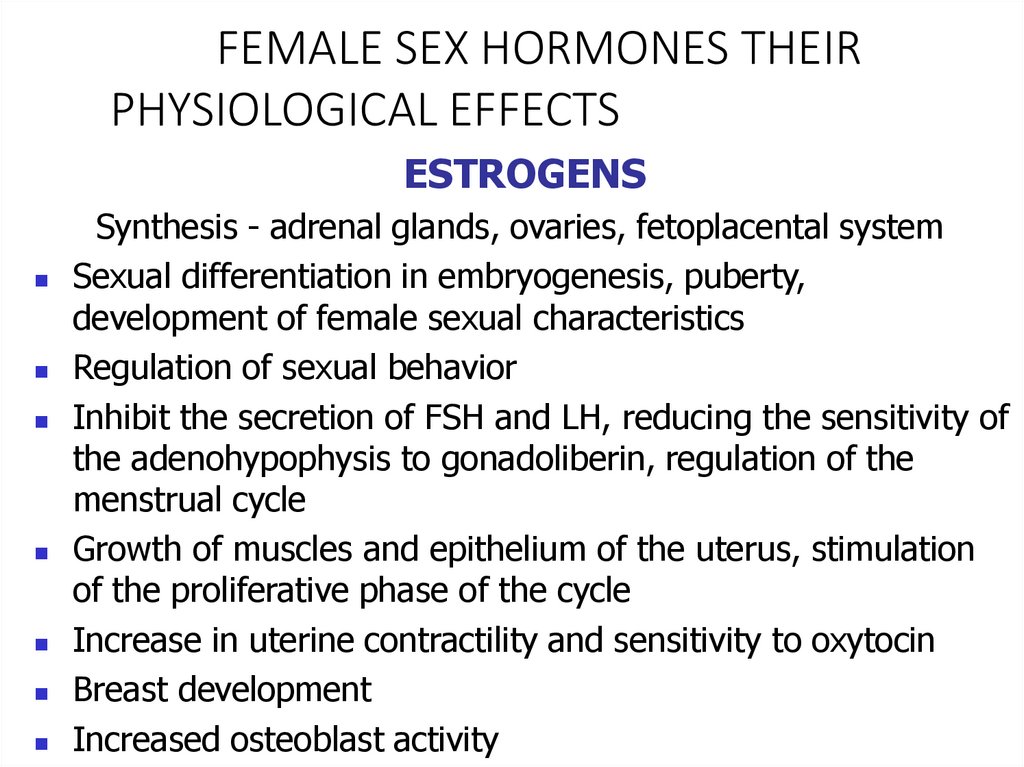
32. FEMALE SEX HORMONES THEIR PHYSIOLOGICAL EFFECTS
ESTROGENSSynthesis - adrenal glands, ovaries, fetoplacental system
Sexual differentiation in embryogenesis, puberty,
development of female sexual characteristics
Regulation of sexual behavior
Inhibit the secretion of FSH and LH, reducing the sensitivity of
the adenohypophysis to gonadoliberin, regulation of the
menstrual cycle
Growth of muscles and epithelium of the uterus, stimulation
of the proliferative phase of the cycle
Increase in uterine contractility and sensitivity to oxytocin
Breast development
Increased osteoblast activity
33. FEMALE SEX HORMONES THEIR PHYSIOLOGICAL EFFECTS
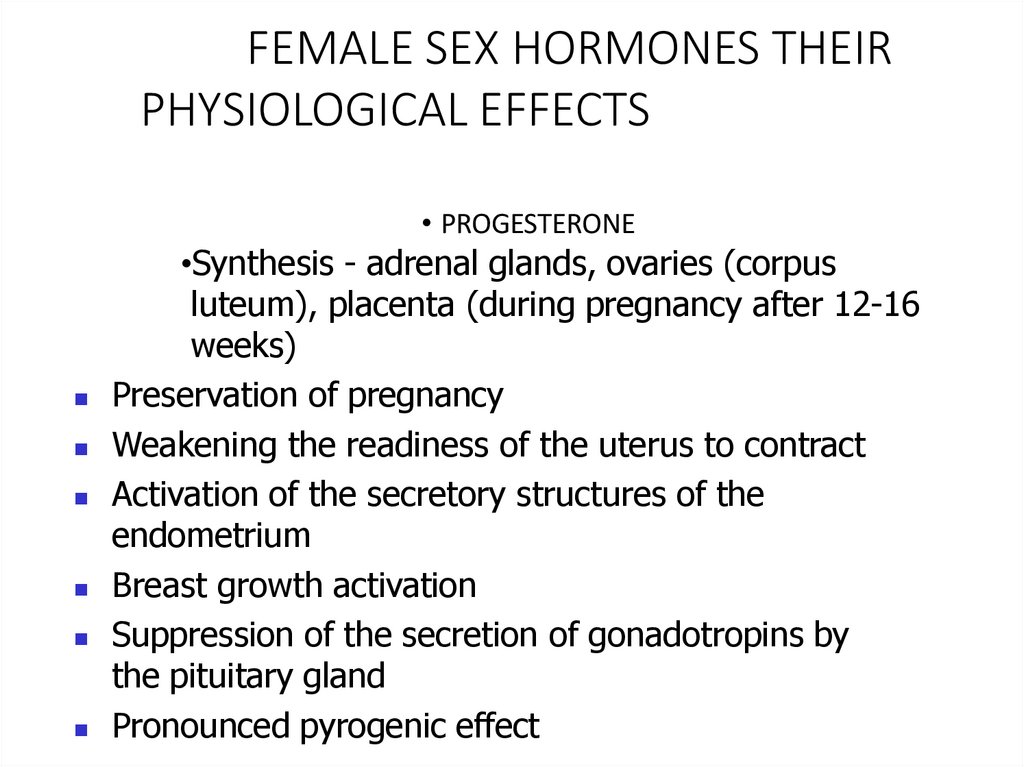
• PROGESTERONE•Synthesis - adrenal glands, ovaries (corpus
luteum), placenta (during pregnancy after 12-16
weeks)
Preservation of pregnancy
Weakening the readiness of the uterus to contract
Activation of the secretory structures of the
endometrium
Breast growth activation
Suppression of the secretion of gonadotropins by
the pituitary gland
Pronounced pyrogenic effect
34. Regulation of the production of hormones of the sex glands
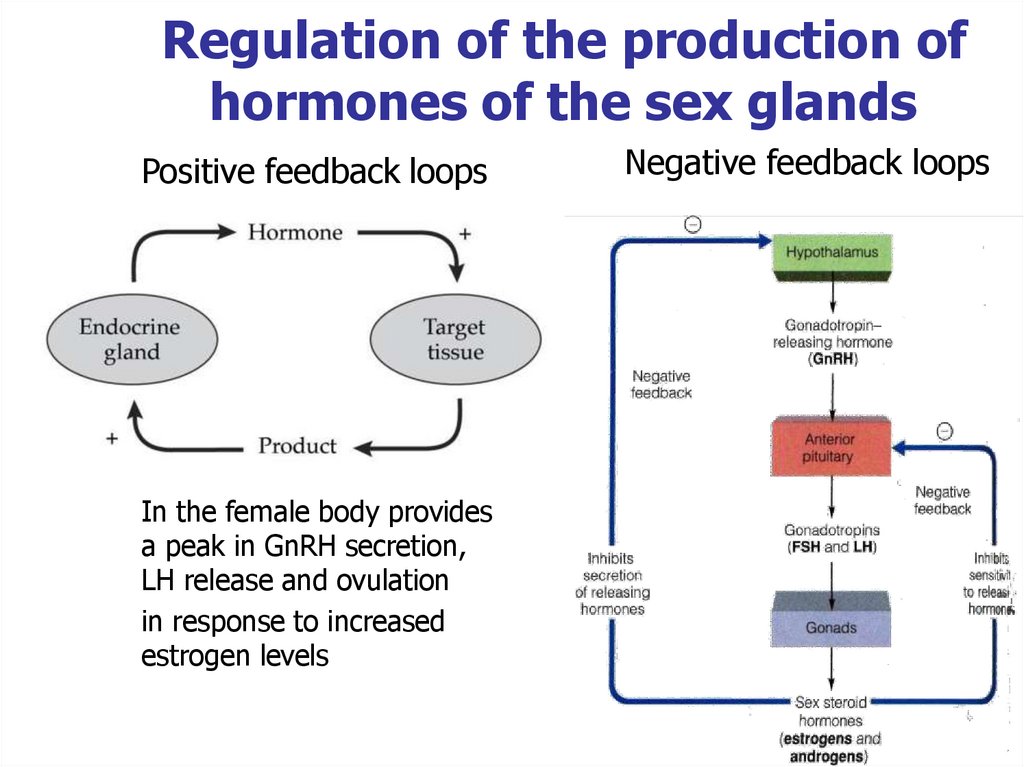
Positive feedback loopsIn the female body provides
a peak in GnRH secretion,
LH release and ovulation
in response to increased
estrogen levels
Negative feedback loops
35. SEX HORMONES LEVEL IN THE GENITAL CYCLE
36. 6. Stress or General Adaptation Syndrome
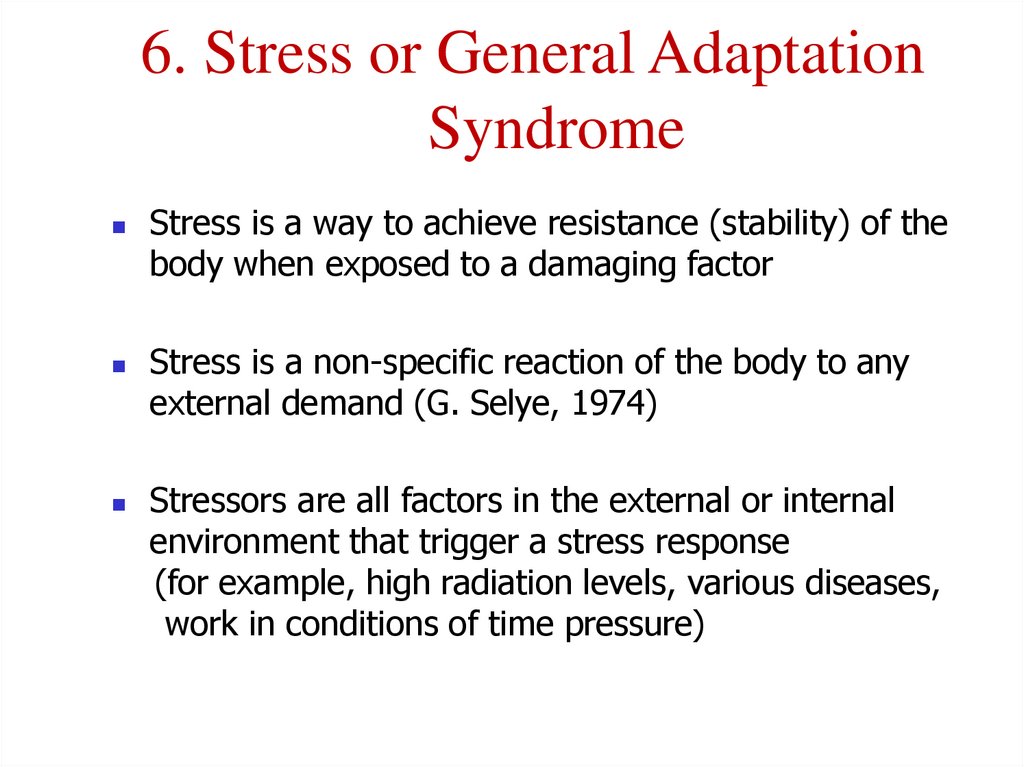
Stress is a way to achieve resistance (stability) of thebody when exposed to a damaging factor
Stress is a non-specific reaction of the body to any
external demand (G. Selye, 1974)
Stressors are all factors in the external or internal
environment that trigger a stress response
(for example, high radiation levels, various diseases,
work in conditions of time pressure)
37. Stress mechanisms: Stress-implementing systems.
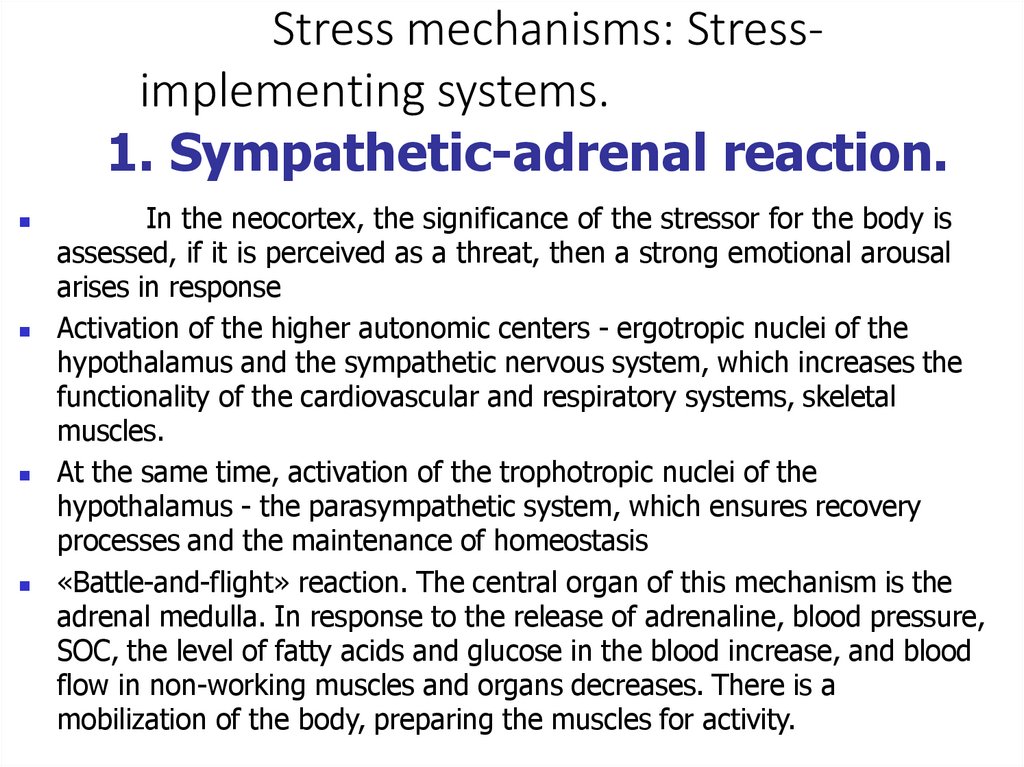
Stress mechanisms: Stressimplementing systems.1. Sympathetic-adrenal reaction.
In the neocortex, the significance of the stressor for the body is
assessed, if it is perceived as a threat, then a strong emotional arousal
arises in response
Activation of the higher autonomic centers - ergotropic nuclei of the
hypothalamus and the sympathetic nervous system, which increases the
functionality of the cardiovascular and respiratory systems, skeletal
muscles.
At the same time, activation of the trophotropic nuclei of the
hypothalamus - the parasympathetic system, which ensures recovery
processes and the maintenance of homeostasis
«Battle-and-flight» reaction. The central organ of this mechanism is the
adrenal medulla. In response to the release of adrenaline, blood pressure,
SOC, the level of fatty acids and glucose in the blood increase, and blood
flow in non-working muscles and organs decreases. There is a
mobilization of the body, preparing the muscles for activity.
38. Stress-implementing systems.
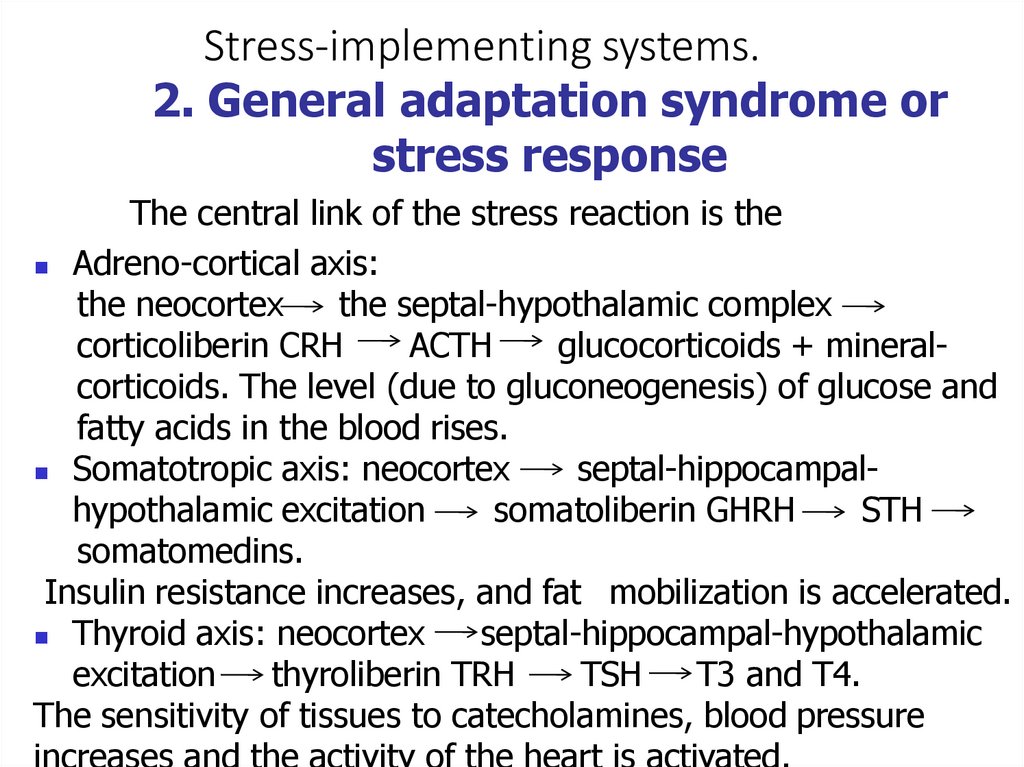
2. General adaptation syndrome orstress response
The central link of the stress reaction is the
Adreno-cortical axis:
the neocortex
the septal-hypothalamic complex
corticoliberin CRH
ACTH
glucocorticoids + mineralcorticoids. The level (due to gluconeogenesis) of glucose and
fatty acids in the blood rises.
Somatotropic axis: neocortex
septal-hippocampalhypothalamic excitation
somatoliberin GHRH
STH
somatomedins.
Insulin resistance increases, and fat mobilization is accelerated.
Thyroid axis: neocortex
septal-hippocampal-hypothalamic
excitation
thyroliberin TRH
TSH
T3 and T4.
The sensitivity of tissues to catecholamines, blood pressure
increases and the activity of the heart is activated.
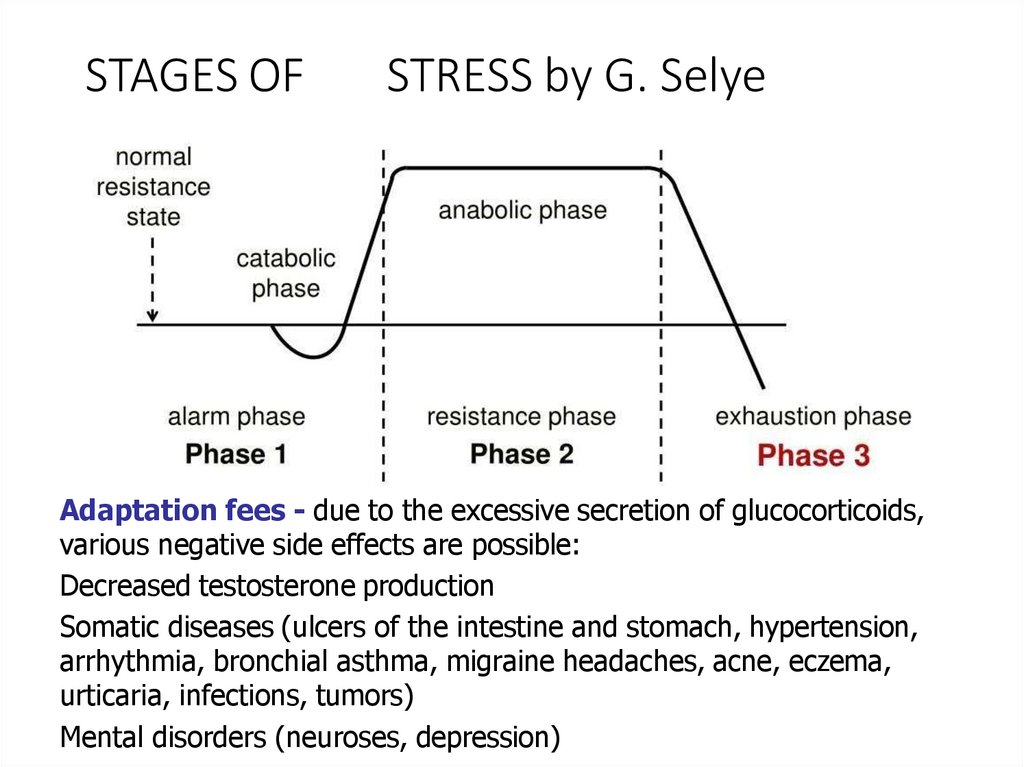
39. STAGES OF STRESS by G. Selye
Adaptation fees - due to the excessive secretion of glucocorticoids,various negative side effects are possible:
Decreased testosterone production
Somatic diseases (ulcers of the intestine and stomach, hypertension,
arrhythmia, bronchial asthma, migraine headaches, acne, eczema,
urticaria, infections, tumors)
Mental disorders (neuroses, depression)
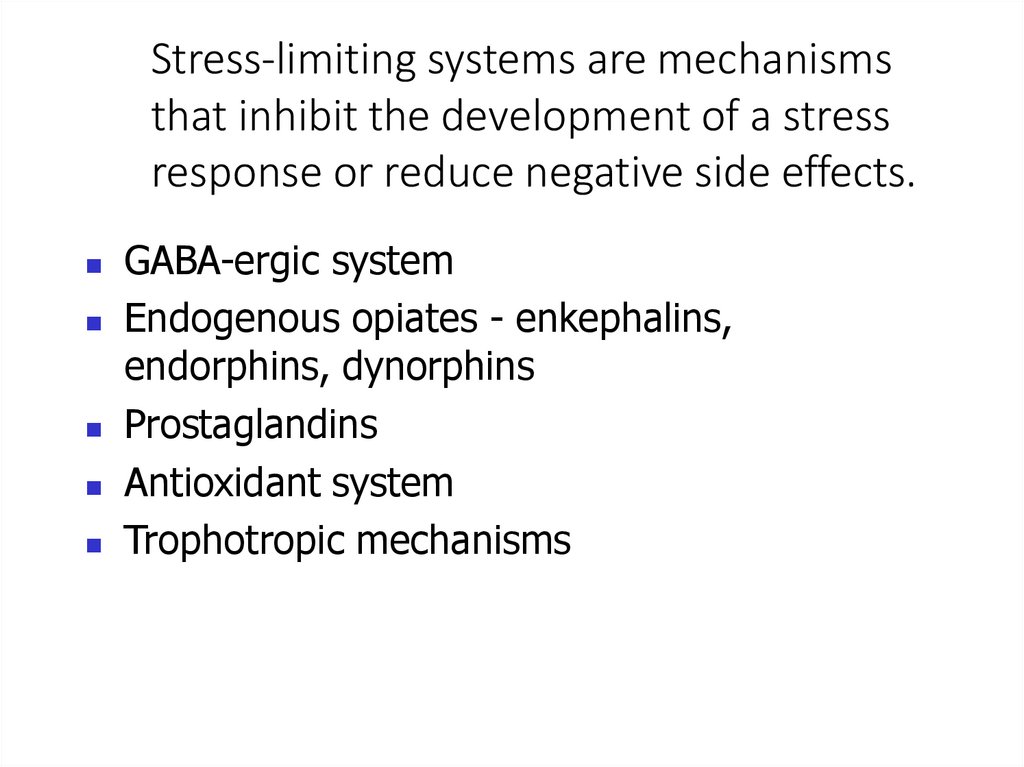
40. Stress-limiting systems are mechanisms that inhibit the development of a stress response or reduce negative side effects.
GABA-ergic systemEndogenous opiates - enkephalins,
endorphins, dynorphins
Prostaglandins
Antioxidant system
Trophotropic mechanisms