

 business
Similar presentations:







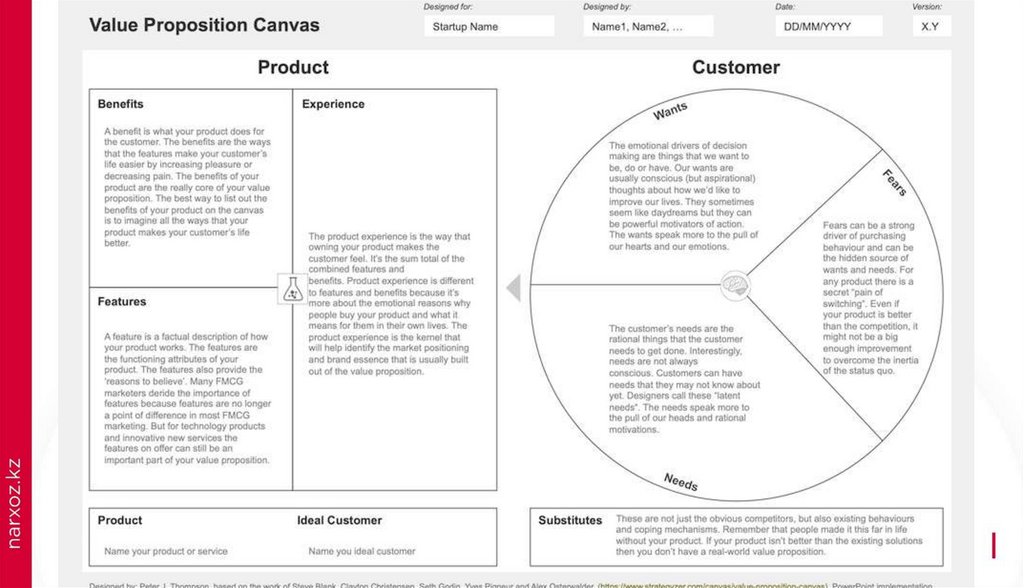
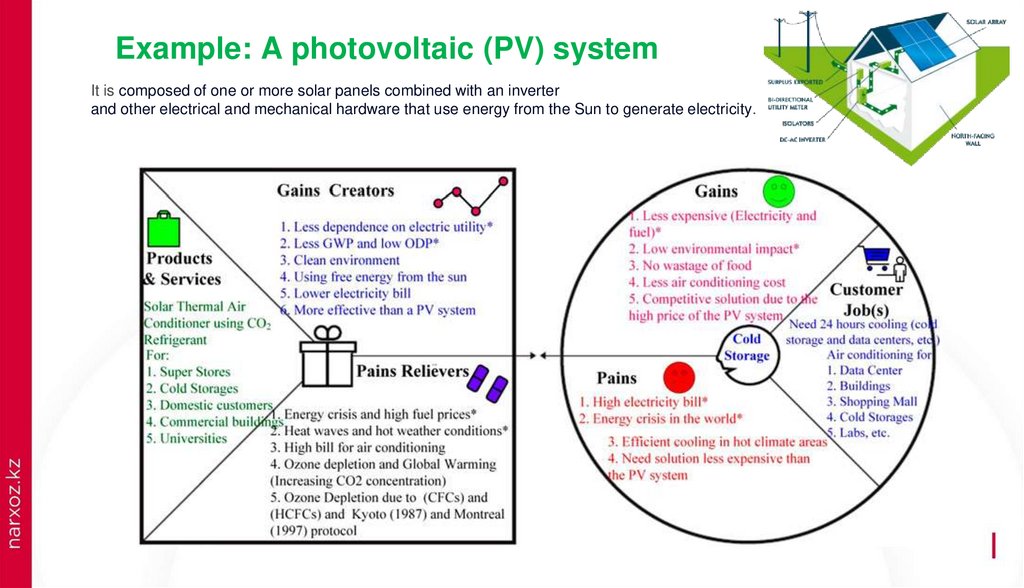
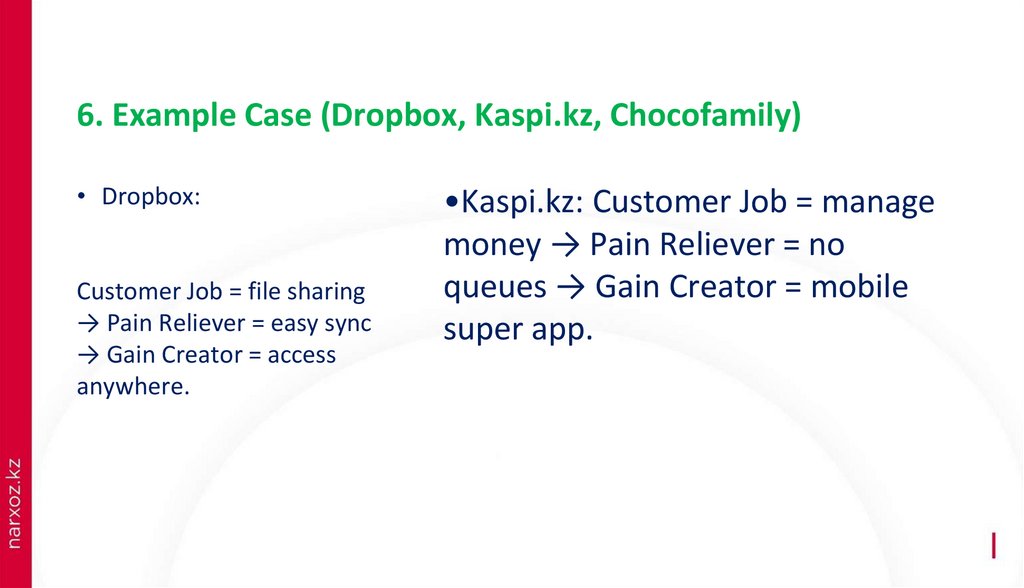
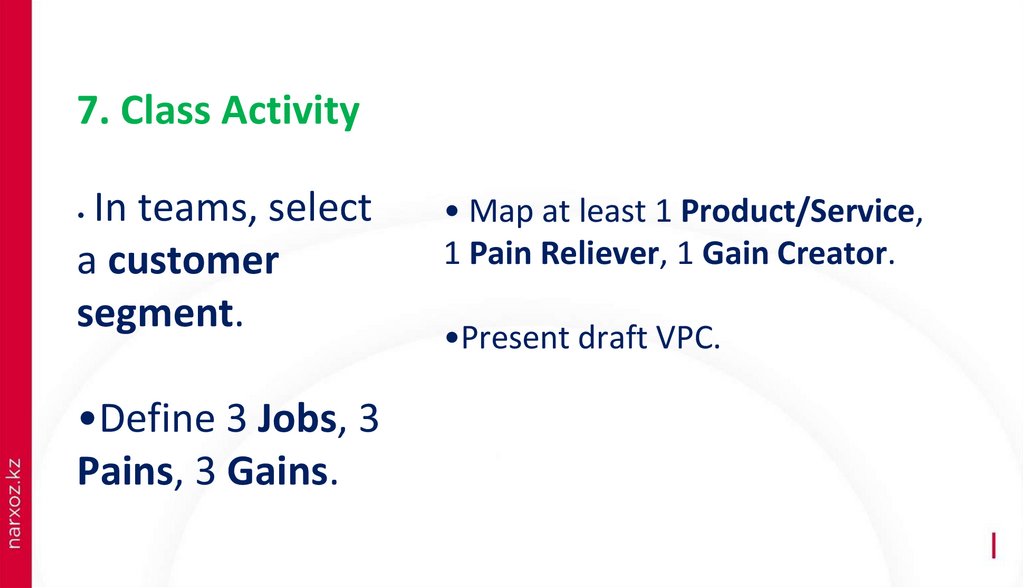
1. Lecture 2: Business Model Hypotheses. Value Proposition Canvas for your Customer Development
1. Lecture 2: Business Model Hypotheses. Value Proposition Canvas for your Customer Development.
Narxoz University – Fall 2025Assoc. Prof. Dr. Dana Bliyeva
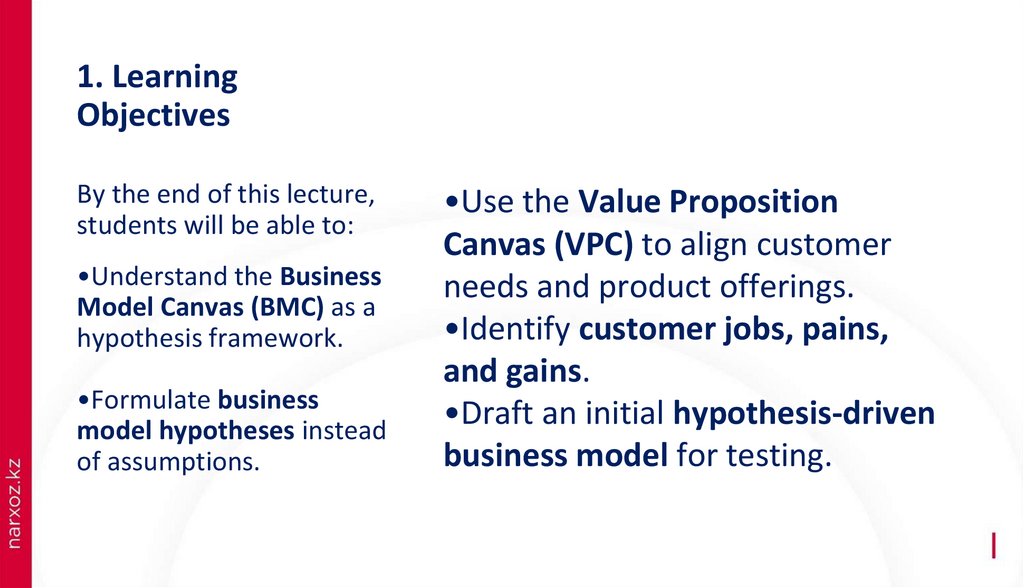
2. 1. Learning Objectives
By the end of this lecture,students will be able to:
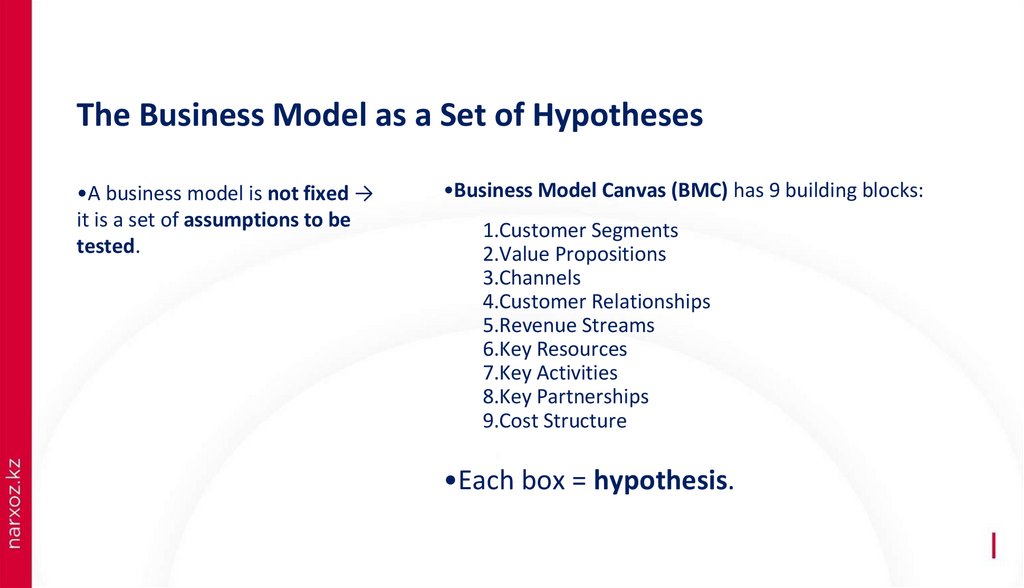
•Understand the Business
Model Canvas (BMC) as a
hypothesis framework.
•Formulate business
model hypotheses instead
of assumptions.
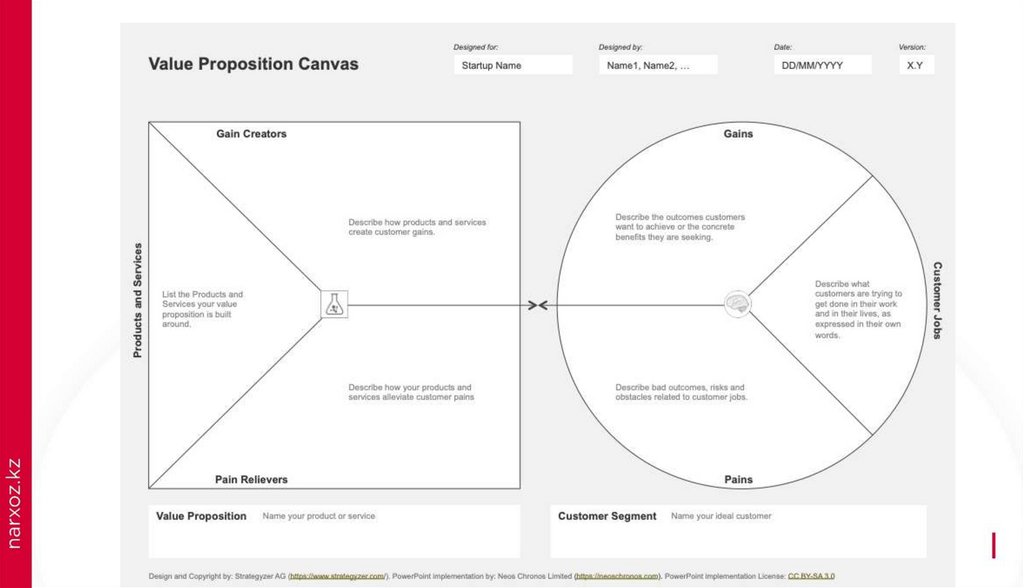
•Use the Value Proposition
Canvas (VPC) to align customer
needs and product offerings.
•Identify customer jobs, pains,
and gains.
•Draft an initial hypothesis-driven
business model for testing.
2
3. 2. Recap from Lecture 1 e Blank – The Startup Owner’s Manual (Ch. 1–2)
2. Recap from Lecture 1e Blank – The Startup
Owner’s Manual (Ch.
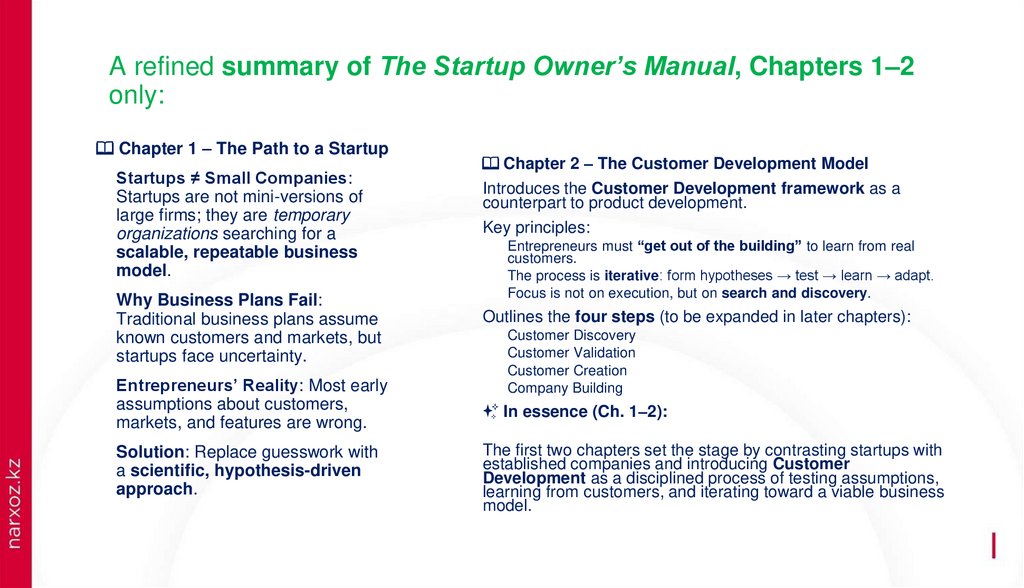
• Startups
1–2)≠ small companies: they search for scalable business models.
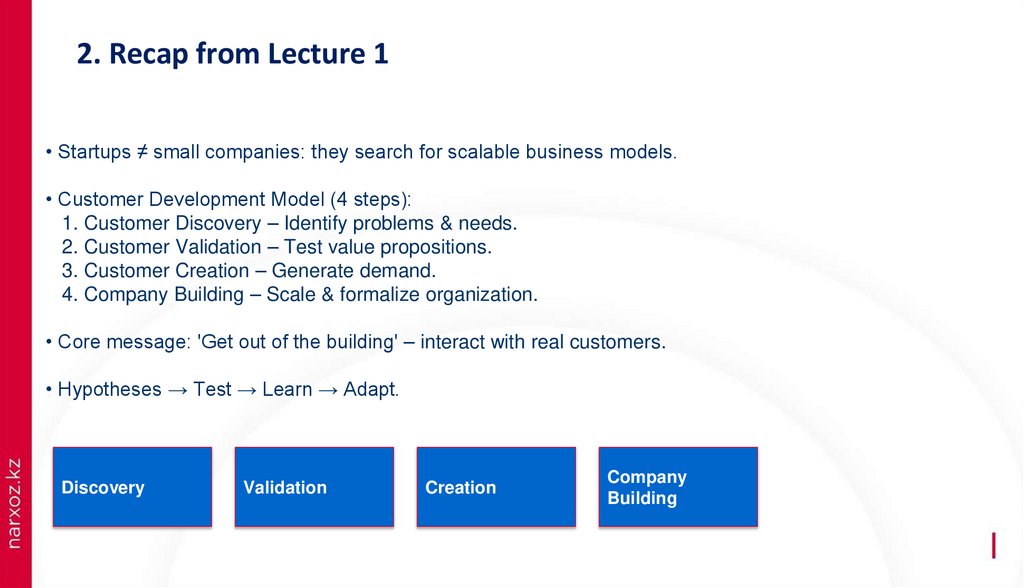
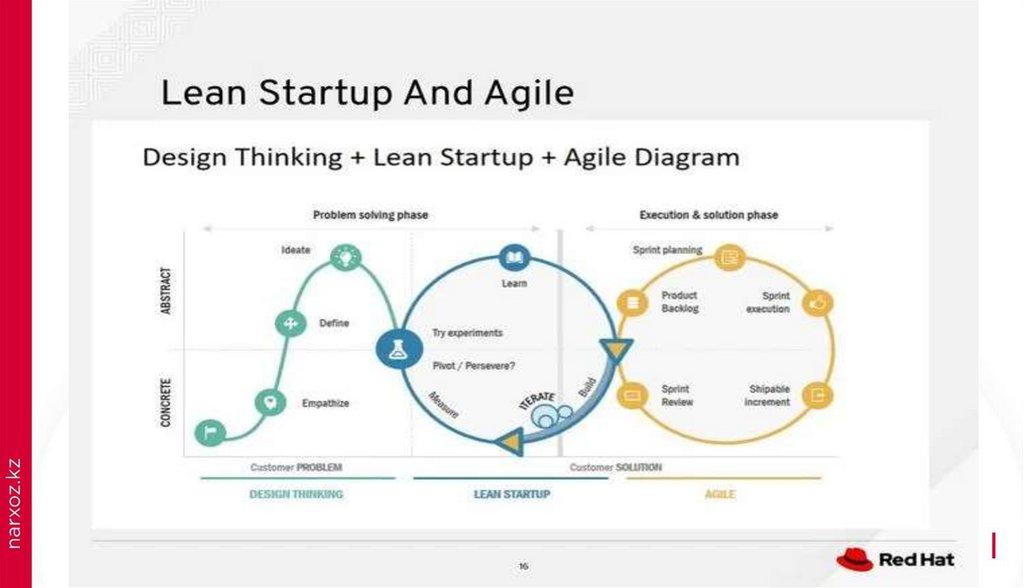
• Customer Development Model (4 steps):
1. Customer Discovery – Identify problems & needs.
2. Customer Validation – Test value propositions.
3. Customer Creation – Generate demand.
4. Company Building – Scale & formalize organization.
• Core message: 'Get out of the building' – interact with real customers.
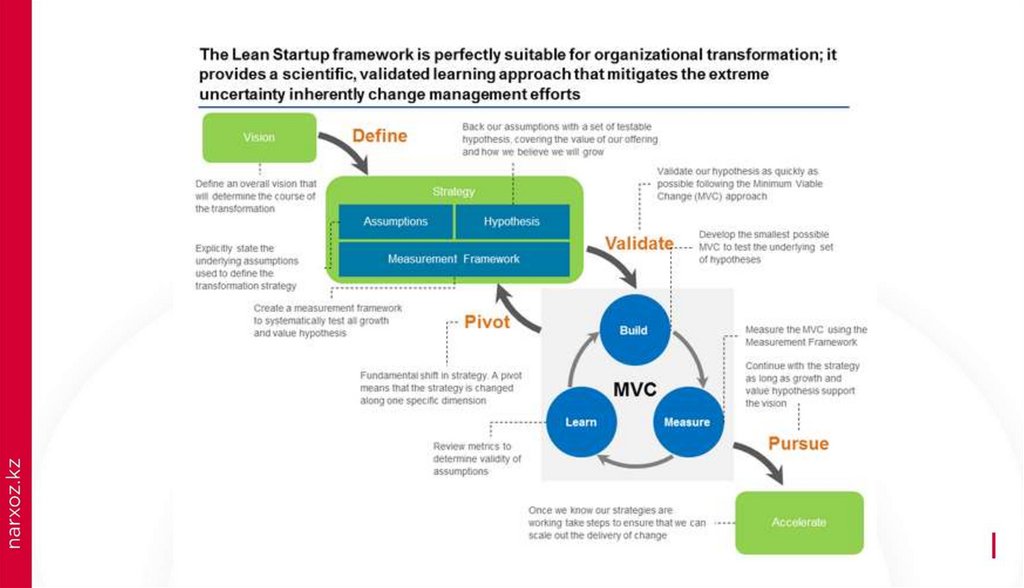
• Hypotheses → Test → Learn → Adapt.
Discovery
Validation
Creation
Company
Building
4.
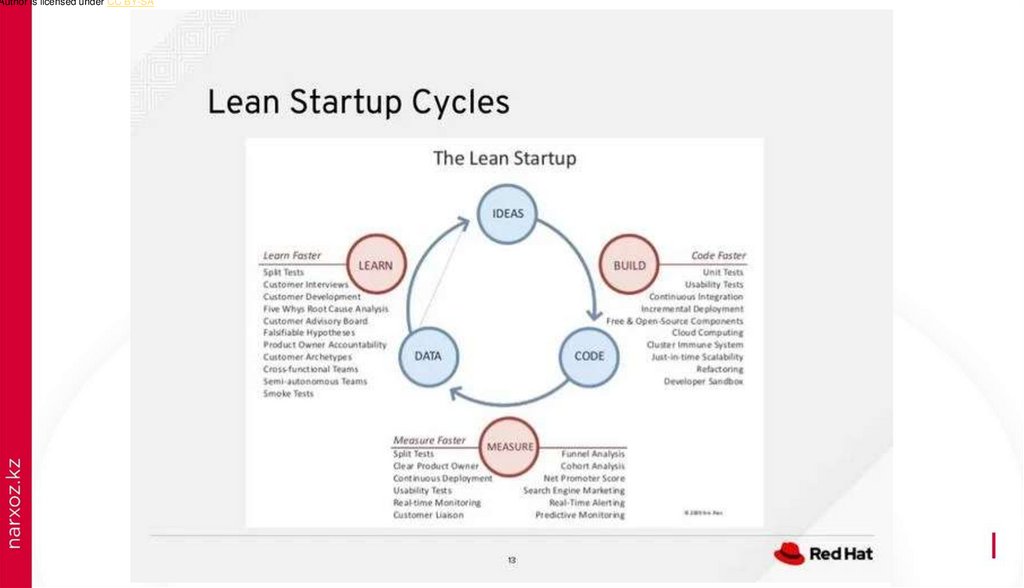
Author is licensed under CC BY-SA4
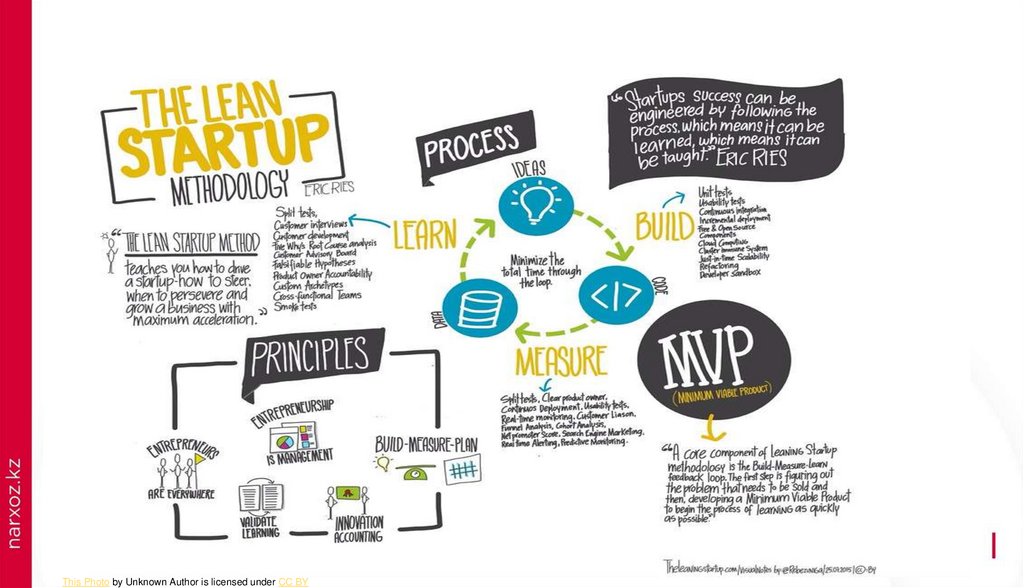
5. Split Tests (A/B testing) in the Lean Startup Cycle
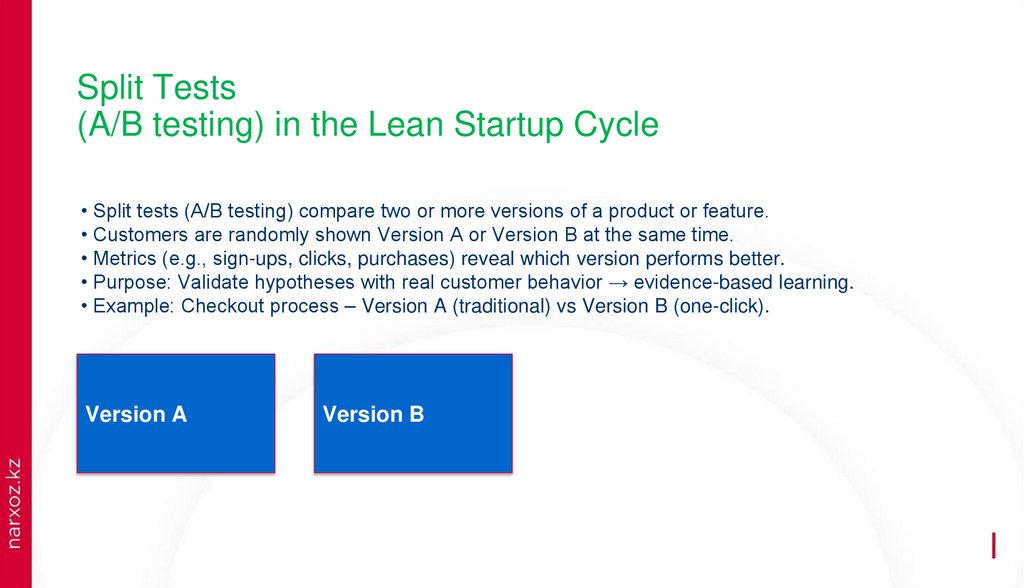
• Split tests (A/B testing) compare two or more versions of a product or feature.• Customers are randomly shown Version A or Version B at the same time.
• Metrics (e.g., sign-ups, clicks, purchases) reveal which version performs better.
• Purpose: Validate hypotheses with real customer behavior → evidence-based learning.
• Example: Checkout process – Version A (traditional) vs Version B (one-click).
Version A
Version B
6.
6This Photo by Unknown Author is licensed under CC BY