


 life safety
Similar presentations:

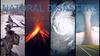
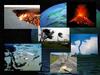

Earthquakes are a natural disaster
1.
Earthquake Preparedness: Your Guide to Safety and ResilienceEarthquakes are a natural disaster. Being prepared is the most critical step in protecting yourself, your family, and your co mmunity. This guide provides concise,
actionable instructions on what to do before, during, and immediately after an earthquake to ensure maximum safety.
Secure Your Self
Assemble Survival Kits
Develop a Family Plan
Don't stand next to furniture, stand in doorways,
Preparate emergency kit: Include water (non-
Come up with a plan with your family so you won't
don't try to save anything, life is more important.
perishable food, first aid supplies, a flashlight, and
be lost during an earthquake.
any medications).
Knowing what to do during an earthquake can save your life.
preencoded.png
2.
What to Do When the Earth Shakes: Immediate ActionDuring an earthquake, your immediate reaction can save your life.
Drop, Cover, and Hold On.
DROP
COVER
HOLD ON
Drop immediately to your hands and knees before the earthquake knocks
Get under a sturdy table or desk. If no shelter is nearby, cover your head
Hold onto your shelter until the shaking stops. Be ready to move with your
you down. This position protects you from falling.
and neck with your arms and crouch near an interior wall.
shelter if it shifts. If outside, move to a clear area away from buildings and
power lines.
Never run outside during the shaking. Most injuries occur when people try to move more than a few feet or are hit by falling debris.
After the Shaking Stops
Once you feel safe, assess your situation and check on others. Be prepared for aftershocks.
Check yourself for injuries.
Put on sturdy shoes to protect your feet from broken glass and debris.
Check for structural damage, gas leaks, and electrical damage (do not turn on power if there is damage).
Use your mobile phone to contact your family.
preencoded.png
3.
Marina Viktorovna, please give me 10points
preencoded.png