
 industry
Similar presentations:






Introduction to Aviation Industry
1.
Introduction to AviationIndustry
Toms Kaidalovs
Teaching Assistant
06.11.2024
1
2. Aviation Standards
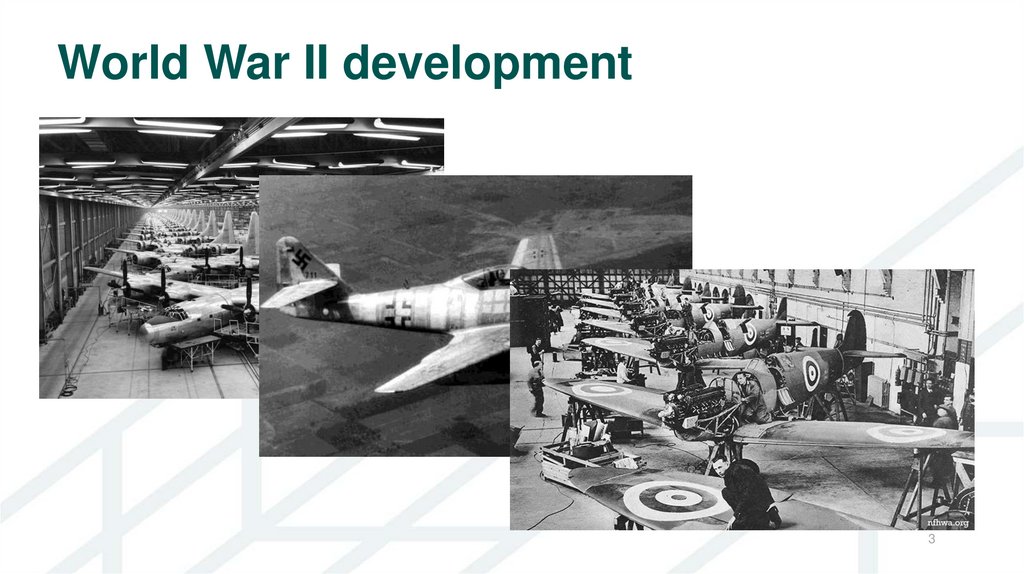
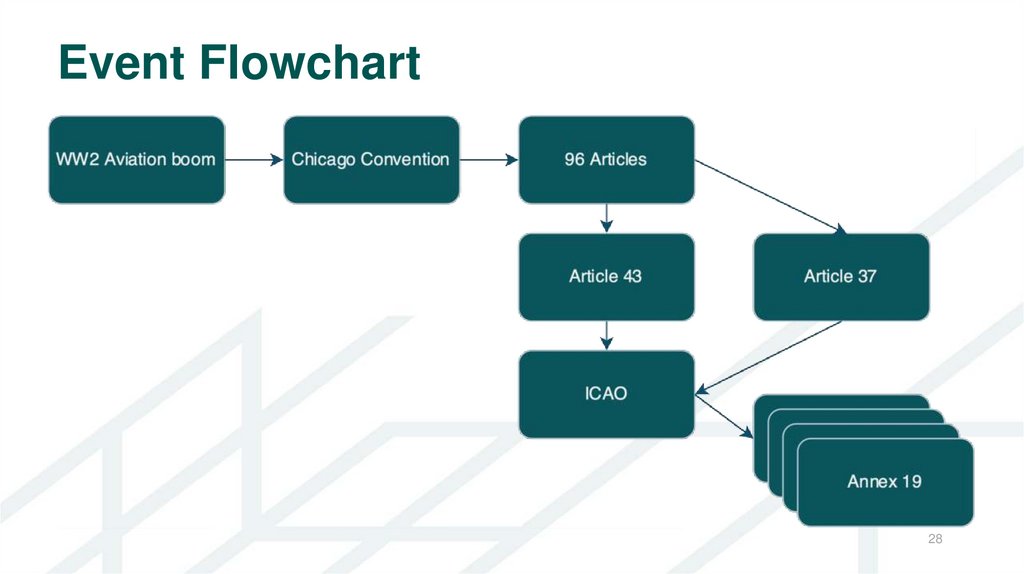
23. World War II development
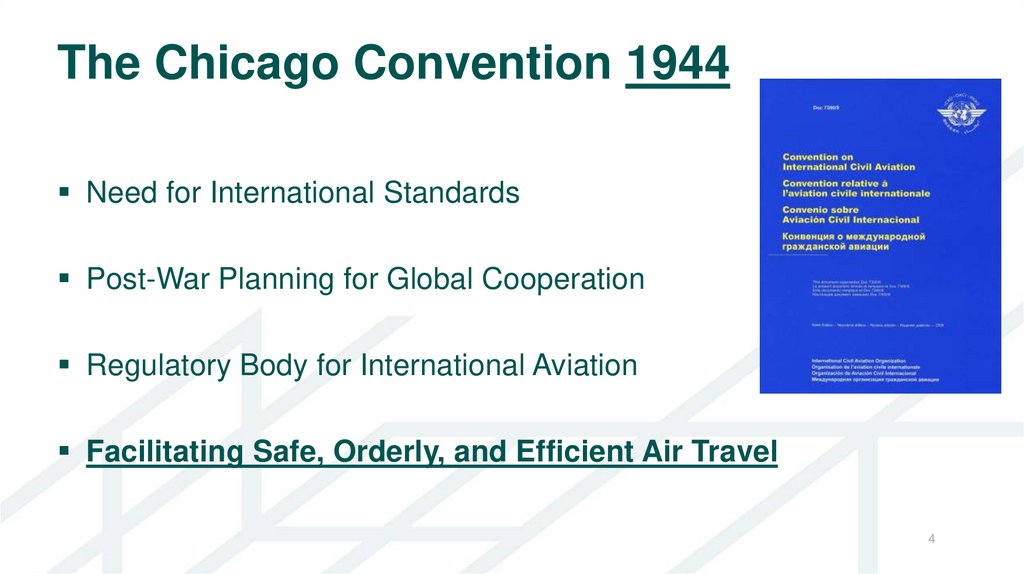
34. The Chicago Convention 1944
Need for International StandardsPost-War Planning for Global Cooperation
Regulatory Body for International Aviation
Facilitating Safe, Orderly, and Efficient Air Travel
4
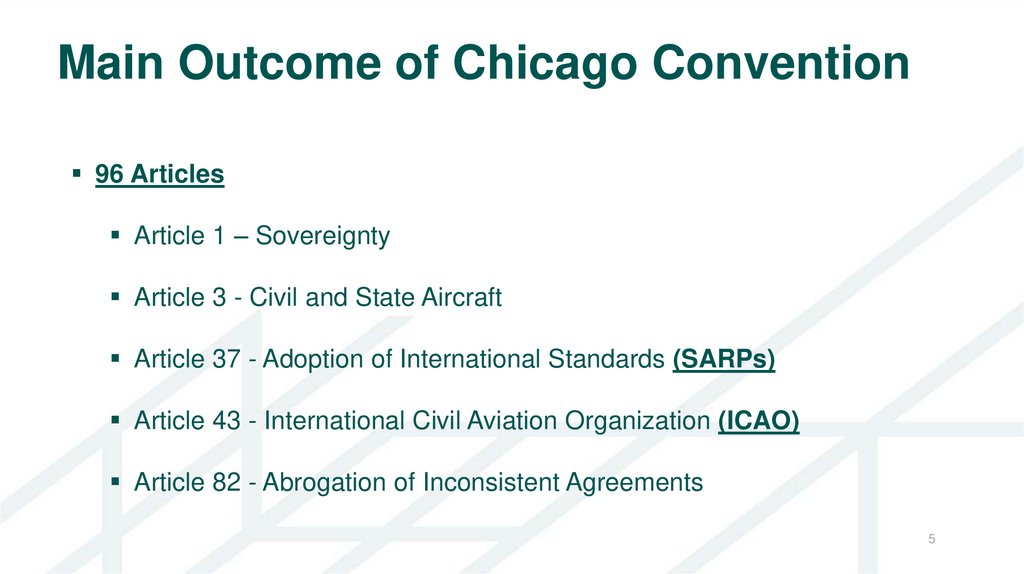
5. Main Outcome of Chicago Convention
96 ArticlesArticle 1 – Sovereignty
Article 3 - Civil and State Aircraft
Article 37 - Adoption of International Standards (SARPs)
Article 43 - International Civil Aviation Organization (ICAO)
Article 82 - Abrogation of Inconsistent Agreements
5
6. ICAO Organisation
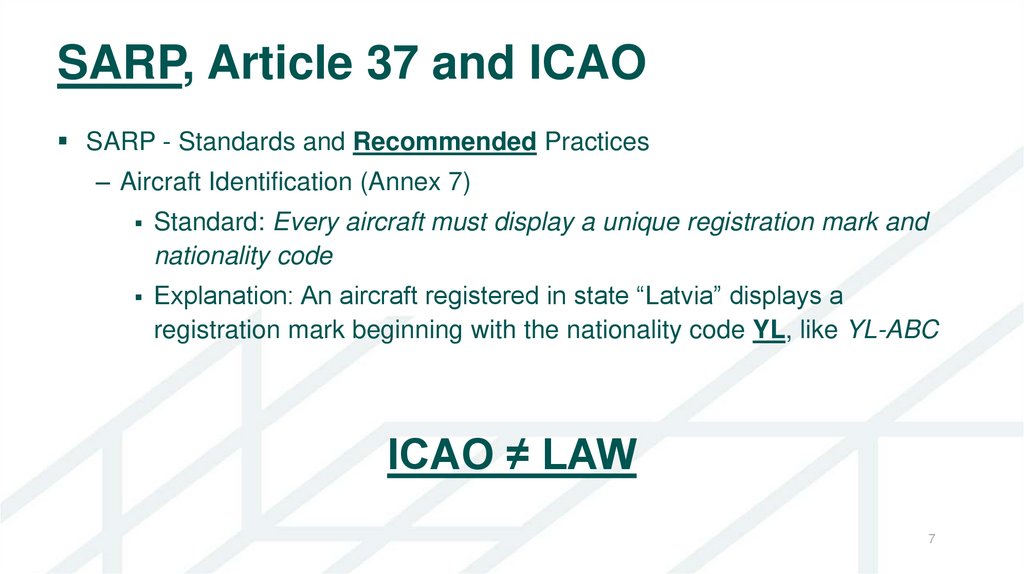
67. SARP, Article 37 and ICAO
SARP - Standards and Recommended Practices– Aircraft Identification (Annex 7)
Standard: Every aircraft must display a unique registration mark and
nationality code
Explanation: An aircraft registered in state “Latvia” displays a
registration mark beginning with the nationality code YL, like YL-ABC
ICAO ≠ LAW
7
8. Annex and SARPs
Annex– A set of international standards and recommended practices (SARPs)
– A guidelines for member states to follow, helping ensure uniform safety,
efficiency, and consistency in aviation operations
– 19 Annexes in total covering everything in aviation
ANNEX = SARPs
8
9. Annex 1 - Personnel Licensing
Licensing aviation personnel– Pilots
– Cabin Crew
– Air Traffic Controllers (ATC)
– Maintenance Technicians
– Airport Operations Staff
– Flight Dispatchers
Requirements to aviation personnel
– Health and fitness
– Knowledge of theory
– Skill
9
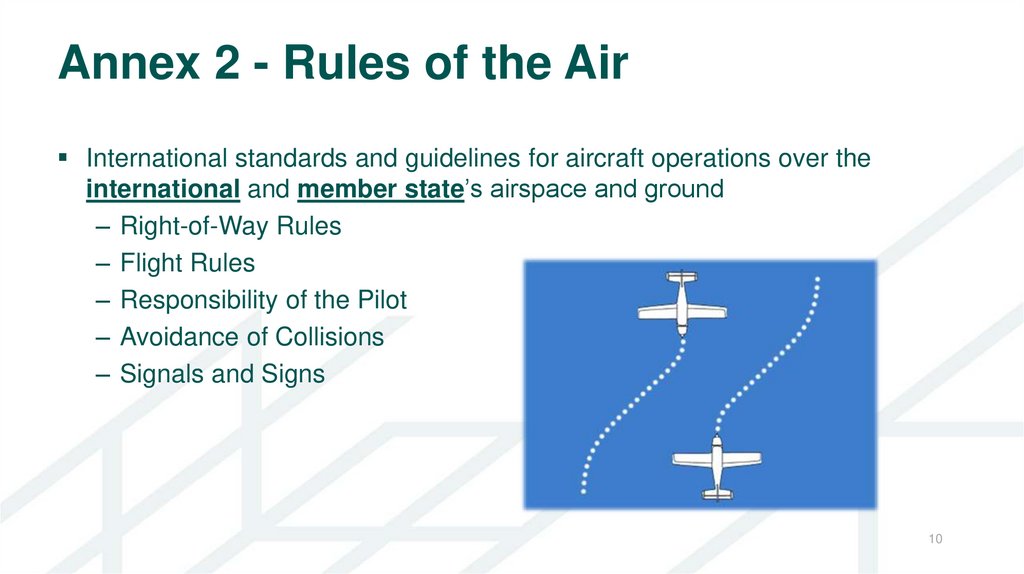
10. Annex 2 - Rules of the Air
International standards and guidelines for aircraft operations over theinternational and member state’s airspace and ground
– Right-of-Way Rules
– Flight Rules
– Responsibility of the Pilot
– Avoidance of Collisions
– Signals and Signs
10
11. Annex 3 - Meteorological Service for International Air Navigation
Standards and guidelines for meteorological services that support the safety,regularity, and efficiency of international air navigation
– Weather Observations and Forecasts
– Aerodrome Meteorological Reports (METAR)
METAR EVRA 121200Z 26010KT 9999 SCT020 18/12 Q1015
– Hazardous Weather Warnings
– Global Meteorological Information System
11
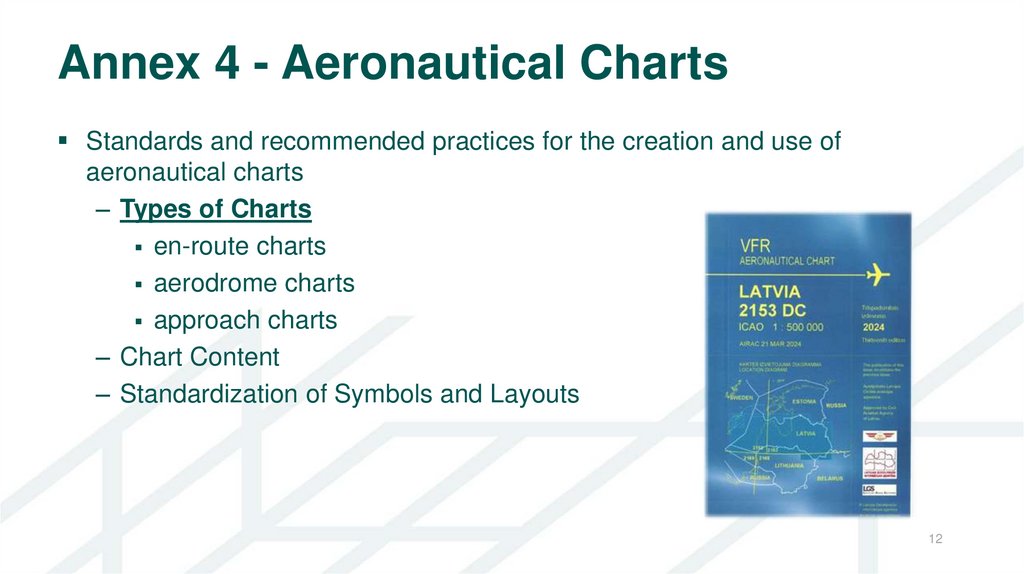
12. Annex 4 - Aeronautical Charts
Standards and recommended practices for the creation and use ofaeronautical charts
– Types of Charts
en-route charts
aerodrome charts
approach charts
– Chart Content
– Standardization of Symbols and Layouts
12
13. Annex 5 - Units of Measurement to be Used in Air and Ground Operations
Standard units of measurement that must be used in aviation to ensureconsistency and prevent misunderstandings in international operations
– Standard Units
feet for altitude
nautical miles for distance
knots for speed
degrees Celsius for temperature
Meters for visibility
– Consistency in Communication
13
14. Annex 6 - Operation of Aircraft
Standards and recommended practices for the safe and efficient operation ofaircraft in international airspace and ground
– Operational Procedures
– Maintenance and Safety Checks
– Crew Requirements
– Emergency Equipment
14
15. Annex 7 - Aircraft Nationality and Registration Marks
Standards for the registration and identification of aircraft, ensuring that eachaircraft is uniquely identifiable and traceable to a particular country
– Nationality and Registration Marks
– Location and Size of Marks
– Rules for Displaying Marks
15
16. Annex 8 - Airworthiness of Aircraft
Standards and recommended practices for ensuring that aircraft are safe forflight through design, manufacturing, and ongoing maintenance
– Airworthiness Certification
– Design and Construction Standards
– Maintenance Requirements
– Modification and Repairs
– Operator Responsibilities
16
17. Annex 9 - Facilitation
Standards and recommended practices for simplifying and streamliningborder-crossing processes for international aviation, ensuring the smooth
movement of passengers, baggage, cargo, and mail across international
borders
– Immigration and Customs Procedures
– Border Control and Security
– Passenger Data Exchange
– Health and Quarantine Standards
– Assistance for Persons with Disabilities
17
18. Annex 10 - Aeronautical Telecommunications
Standards and recommended practices for communication and navigationsystems essential for safe and efficient air traffic management
– Radio Navigation Aids
– Communication Procedures
– Communication Systems
– Surveillance and Collision Avoidance Systems
– Aeronautical Radio Frequency Spectrum Utilization
18
19. Annex 11 - Air Traffic Services
Standards and recommended practices for air traffic management to ensurethe safe, orderly, and efficient movement of aircraft in the airspace and on the
ground
– Air Traffic Control (ATC)
– Flight Information Service (FIS)
– Alerting Service
– Airspace Classification
From A to G. A class is most strict one
– Coordination Procedures
19
20. Annex 12 - Search and Rescue (SAR)
Standards and recommended practices for search and rescue operations toassist aircraft in distress and locate missing aircraft
– Organization and Responsibilities
– Coordination
– Operations
– Cooperation with Neighbouring States
– Training and Preparedness
20
21. Annex 13 - Aircraft Accident and Incident Investigation
Standards and recommended practices for the investigation of aircraftaccidents and serious incidents
– Responsibility for Investigation
– Participation Rights
– Investigation Procedures
– Reporting Requirements
– Safety Recommendations
– www.taiib.gov.lv
21
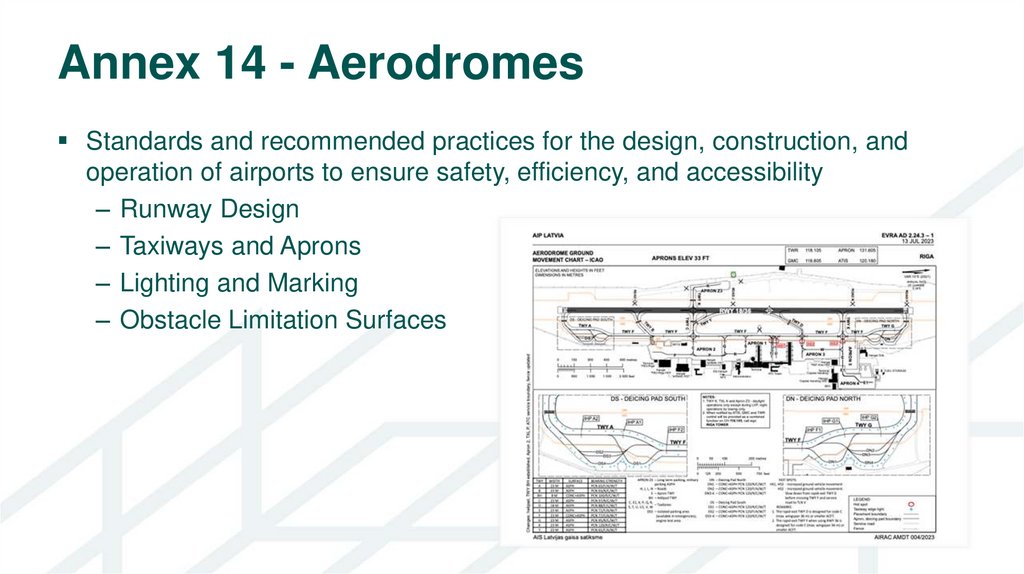
22. Annex 14 - Aerodromes
Standards and recommended practices for the design, construction, andoperation of airports to ensure safety, efficiency, and accessibility
– Runway Design
– Taxiways and Aprons
– Lighting and Marking
– Obstacle Limitation Surfaces
22
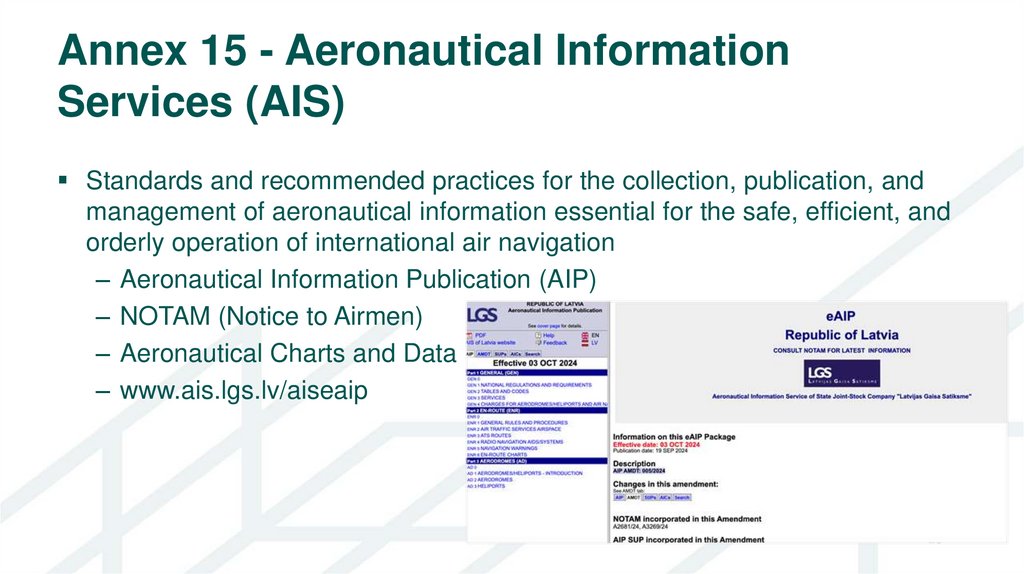
23. Annex 15 - Aeronautical Information Services (AIS)
Standards and recommended practices for the collection, publication, andmanagement of aeronautical information essential for the safe, efficient, and
orderly operation of international air navigation
– Aeronautical Information Publication (AIP)
– NOTAM (Notice to Airmen)
– Aeronautical Charts and Data
– www.ais.lgs.lv/aiseaip
23
24. Annex 16 - Environmental Protection
Standards and recommended practices aimed at reducing the environmentalimpact of aviation
– Aircraft Noise
– Aircraft Engine Emissions
24
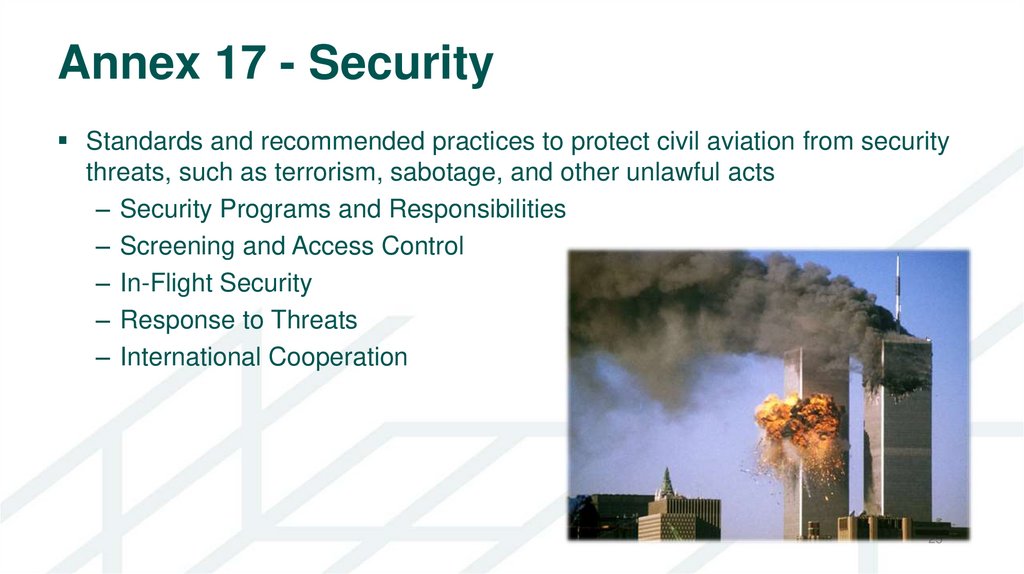
25. Annex 17 - Security
Standards and recommended practices to protect civil aviation from securitythreats, such as terrorism, sabotage, and other unlawful acts
– Security Programs and Responsibilities
– Screening and Access Control
– In-Flight Security
– Response to Threats
– International Cooperation
25
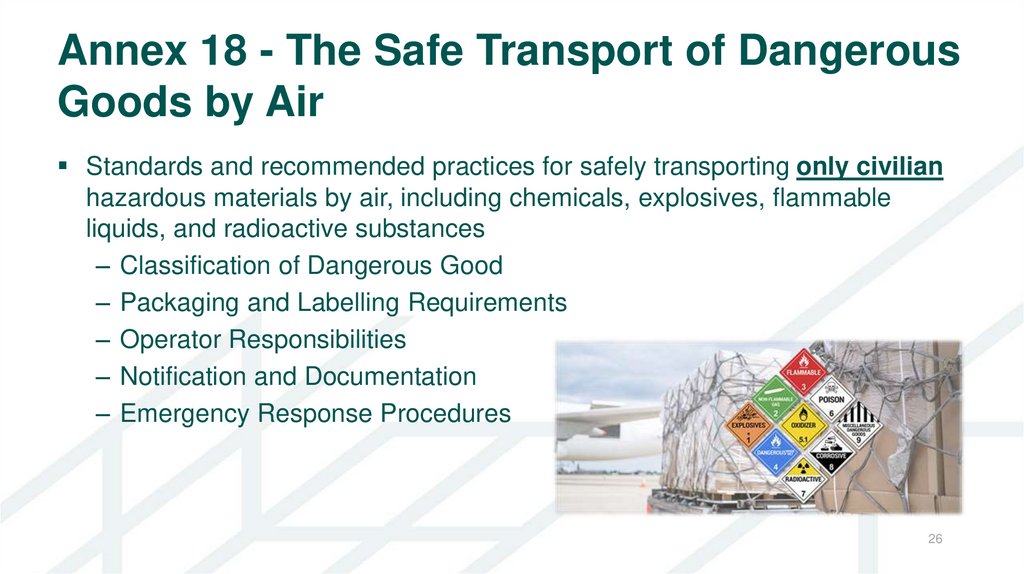
26. Annex 18 - The Safe Transport of Dangerous Goods by Air
Standards and recommended practices for safely transporting only civilianhazardous materials by air, including chemicals, explosives, flammable
liquids, and radioactive substances
– Classification of Dangerous Good
– Packaging and Labelling Requirements
– Operator Responsibilities
– Notification and Documentation
– Emergency Response Procedures
26
27. Annex 19 - Safety Management
Standards and recommended practices for implementing SafetyManagement Systems (SMS) in aviation, focusing on proactively managing
safety risks across all aviation sectors
– State Safety Program (SSP)
– Safety Management Systems (SMS)
– Safety Data Collection and Analysis
– Safety Performance Monitoring
– Risk-Based Approach
27