


 english
Similar presentations:


English
1. Present Tenses
2.
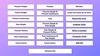
Present TensesPresent Simple
Present Continuous
Present Perfect
Present Perfect Continuous
3. Present Simple (Настоящее простое время) употребляется когда речь идет о:
• постоянных действияхMark lives in New Zealand.
• непреложных истинах и законах природы
The Moon goes round the Earth.
• привычках и повседневных действиях
She always cleans the house at
weekends.
4.
• расписаниях и программахThe train leaves at 6:00 am.
• спортивных комментариях, обзорах,
повествованиях
Beckham wins the ball, then he
crosses and Owen scores.
Meryl Streep acts beautifully in this
film.
5. Указатели времени, употребляемые с Present Simple
• always• usually
• often
• sometimes
• never
• seldom
• every day/week/ ...
• on Fridays / …
6. Present Continuous (Настоящее продолженное время) употребляется когда речь идет о:
• действиях, происходящих в данный моментMum is cooking in the kitchen.
• запланированных действиях в будущем
I am going shopping this afternoon.
• в меняющихся и развивающихся ситуациях
It is getting colder. Let’s go home.
• с такими наречиями, как always и constantly, для
выражения раздражения
She is always losing her keys.
7. Указатели времени, употребляемые с Present Continuous
• now• at the moment
• at present
• these days
• still
• today
• tonight
• tomorrow
8. Глаголы состояния (stative verbs)
В английском языке есть так называемыеглаголы состояния, которые обозначают
состояние, а не действие предмета/лица.
Эти глаголы не употребляются в Present
Continuous.
9. Среди них:
• глаголы восприятия (appear, hear, see,seem, smell, sound, taste)
• глаголы мыслительной деятельности
(know, realise, believe, forget, remember,
understand)
• глаголы, выражающие чувства и эмоции
(like, love, prefer, desire, want, hate, enjoy,
wish)
• некоторые другие глаголы (be, belong, fit,
contain, cost, have, include, need, own, matter,
weigh)
10. Некоторые из этих глаголов могут употребляться в Present Continuous, но с иным значением.
11.
Present SimplePresent Continuous
THINK
We are thinking about going to France.
I think she’s beautiful. (= обдумывать, размышлять)
(= думать, полагать)
HAVE
She has twelve cats.
(= иметь, владеть)
James is having a great time at school.
(= хорошо проводить время)
He is having a shower.
(= принимать душ)
They are having dinner.
(= обедать)
SEE
I see the tree in my
garden.
(= видеть)
I’m seeing John this afternoon.
(= встречать(ся)
12.
TASTEThis coffee tastes good.
(= быть на вкус)
Ann is tasting the pudding.
(= пробовать на вкус)
SMELL
Her perfume smells sweet.
(= пахнуть)
APPEAR
She appears to know the
way.
(= быть очевидным)
She is smelling the roses.
(= нюхать)
She is appearing in a Shakespeare
play.
(= выступать, играть,
появляться)
FIT
Tom is fitting a new lock on the
The dress fits her perfectly. bathroom door.
(= устанавливать)
(= быть впору, нужного
размера)
13. Present Perfect (Настоящее совершенное время) употребляется для обозначения:
have / has + V 3• законченного действия, произошедшего в
прошлом в неустановленное время, связанного с
настоящим через результат
I have seen this film.
Natasha has been to the USA twice.
• действия, начавшегося в прошлом и
продолжающегося до сих пор, особенно с
глаголами be, have, like, know, etc.
I have known her for 8 years.
14. Указатели времени, употребляемые с Present Perfect
• since• for
• just
• already
• today
• yet
• ever/never
• lately / recently
• this week /year /…
15. Present Perfect Continuous (Настоящее совершенное продолженное время) употребляется для:
have / has + been + Ving• обозначения длительности действия, которое
началось в прошлом и продолжается в
настоящее время
We have been cooking since 10 o’clock!
• описания действия, которое началось и
закончилось в прошлом и результаты которого
очевидны в настоящее время
Your hands are dirty. Have you been
painting?
16. Указатели времени, употребляемые с Present Perfect Continuous
• since• for
• How long
17.
Present SimpleI, we, you,
they
+
?
Present
Continuous
he, she, it
am
V
V + s (es)
is
don’t + V
doesn’t + V
is
Do + …+ V? Does +…+V?
+ V ing
are
am
+ not + Ving
are
Am
Is
Are
+ … + Ving ?
18.
Circle the correct tense.1. Are you doing / Do you do anything special tonight?
2. Marion is allergic to dairy products. She hasn’t eaten / hasn’t
been eating chocolate for years.
3. Daniel thinks / is thinking about moving to a bigger house in the
countryside.
4. Sue has been working / is working in this company for ten
years now.
5. You look / are looking very pale. Is everything OK?
6. The film starts / has started at 22:00 pm. We must be at the
cinema by 21:30.
19.
Put the verbs in brackets into the correct present tense.A: Why are your clothes dirty?
B: Because I ……………………………… (work) in the garden all morning.
A: Why are you upset?
B: Because I ……………………………… (lose) my car keys.
A: Would you like some homemade cake?
B: Yes, please. It ……………………… (smell) delicious.
A: Are you busy?
B: Yes. I ……………………………… (work) on this project all day and I
……………………………… (still/not finish).
A: Who ……………………… (use) my MP3 player?
B: I have.
A: What’s that noise?
B: Jason …………………… (have) a birthday party.
20.
A: What ……………………… (people/wear) on Remembrance Day?B: A little red paper poppy.
A: ………………………… (you/find) a dress for the prom night?
B: Unfortunately, not yet.