


 advertising
Similar presentations:

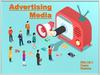





Advertising: an evolving force in business and communication
1.
Advertising: an evolvingforce in business and
communication
Samorokovskiy Mikhail EMB4-42B
2.
What advertising doesPromote products
and services
Advocate ideas
Build brands
Shape perceptions and
Create long-term
Drive awareness and
influence public opinion
recognition and trust
purchase intent with
through storytelling and
through consistent
clear value propositions
symbolism.
creative and messaging.
and calls to action.
3.
Everywherecustomers spend
time
Ads appear across physical and digital
touchpoints: billboards, TV, social
platforms, apps and websites.
reach
Effective campaigns map messages to
the channels where target audiences
are most active.
Out-of-home: high-impact, brand
Broadcast & streaming: sight,
sound, storytelling
Social & mobile: short-form,
interactive, measurable
4.
The internet rewired advertisingDigital channels disrupted traditional models. Data became a strategic
resource—enabling audience segmentation, real-time measurement
and continuous optimisation of campaigns across platforms.
5.
Programmatic:automation +
intelligence
Programmatic advertising automates
media buying using algorithms and
audience data. It increases efficiency,
enables dynamic creative optimisation
and supports precision targeting by
demographic, interest and behaviour.
AI models now optimise bids
Audience
Signals
Real-Time
Bidding
Targeted
Delivery
and creative in milliseconds—
improving relevance and ROI
when managed with human
oversight.
6.
Social media: scale and influencePlatforms like Instagram, TikTok, Facebook and YouTube give brands direct access to
billions. Success blends paid media, creator partnerships, interactive formats and
content that encourages sharing.
Influencer partnerships
Viral-native creative
Authentic endorsements extend reach and trust.
Short, platform-native formats increase shareability.
Performance measurement
Immediate metrics allow fast iteration and budget reallocation.
7.
Challenges: privacy,trust and ad
avoidance
Heightened privacy concerns and regulation (e.g.,
consent frameworks) constrain data use. Ad
blockers and user fatigue reduce reach. Marketers
must trade short-term targeting for transparency
and value-driven experiences.
Privacy-first strategies: contextual targeting,
first-party data
Transparency: clear data practices and choice
Ad experience: frequency controls and
creative relevance
8.
TV and streaming: personalisedvideo at scale
Streaming platforms blend reach of TV with data-driven targeting.
Advertisers must craft short-form, personalised creatives that respect
viewer context and drive measurable outcomes across linear and
streaming environments.
9.
What's next: AI, AR/VR andimmersive experiences
AI and machine learning will elevate personalisation and
forecasting. Augmented and virtual reality enable
interactive product experiences. Voice and connected
devices create new ad formats—each requiring creative
rethinking and ethical guardrails.
Balance innovation with privacy and
explainability to maintain consumer trust.
10.
In Conclusion…advertising is undergoing a significant transformation.
Digital technologies continue to create new opportunities
for businesses, while ethical issues and consumer trust
remain essential. The future of advertising will depend on
balancing innovation with responsibility.