Similar presentations:






Terrifying-and-Creepy-Facts-About-the-Human-Brain
1.
Terrifying and CreepyFacts About the Human
Brain
2.
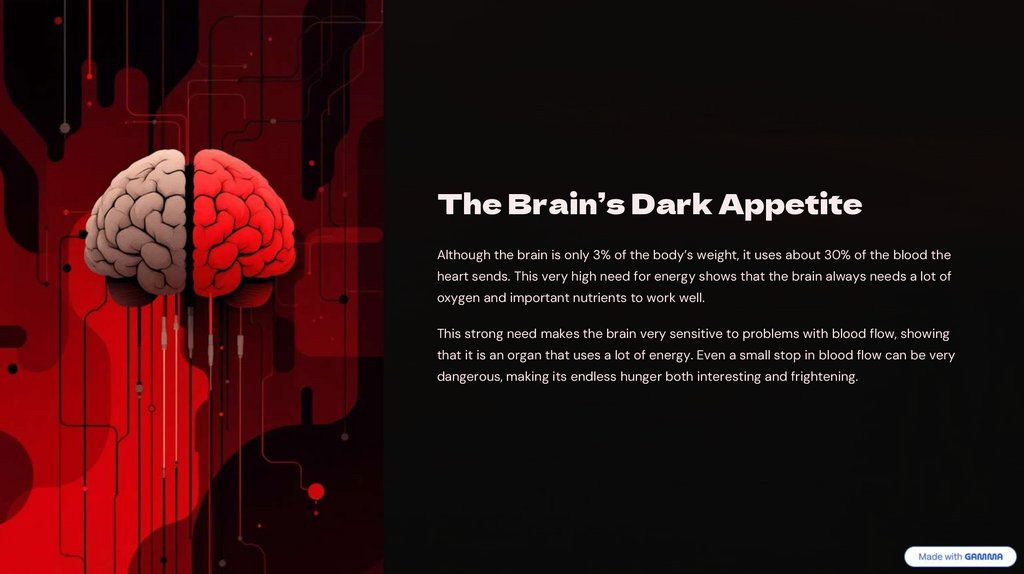
The Brain’s Dark AppetiteAlthough the brain is only 3% of the body’s weight, it uses about 30% of the blood the
heart sends. This very high need for energy shows that the brain always needs a lot of
oxygen and important nutrients to work well.
This strong need makes the brain very sensitive to problems with blood flow, showing
that it is an organ that uses a lot of energy. Even a small stop in blood flow can be very
dangerous, making its endless hunger both interesting and frightening.
3.
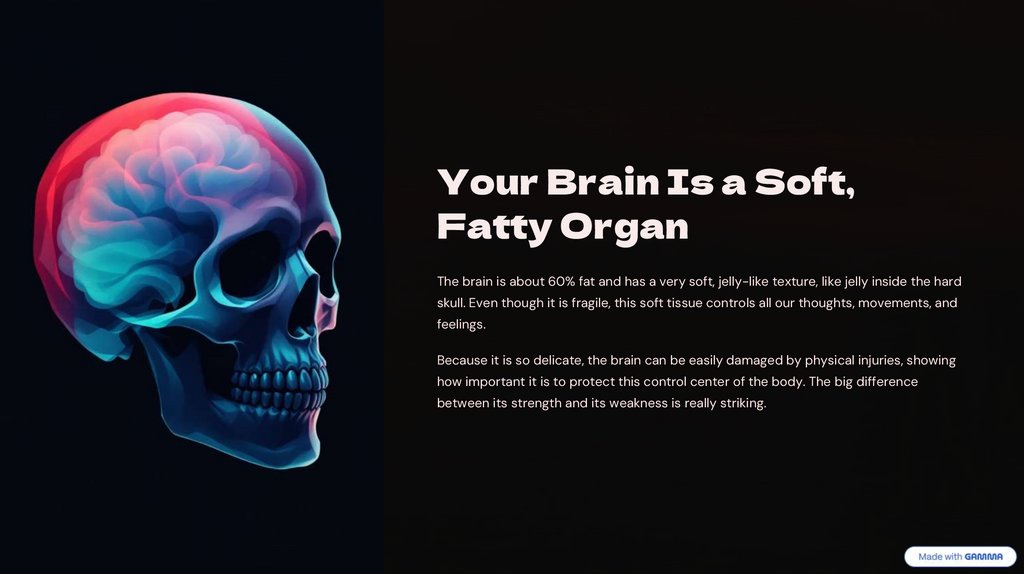
Your Brain Is a Soft,Fatty Organ
The brain is about 60% fat and has a very soft, jelly-like texture, like jelly inside the hard
skull. Even though it is fragile, this soft tissue controls all our thoughts, movements, and
feelings.
Because it is so delicate, the brain can be easily damaged by physical injuries, showing
how important it is to protect this control center of the body. The big difference
between its strength and its weakness is really striking.
4.
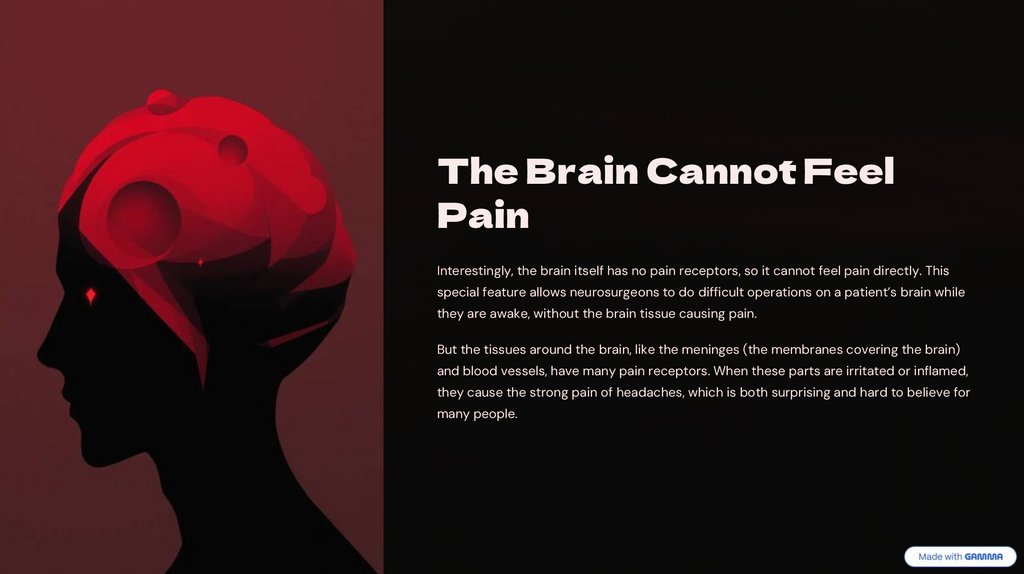
The Brain Cannot FeelPain
Interestingly, the brain itself has no pain receptors, so it cannot feel pain directly. This
special feature allows neurosurgeons to do difficult operations on a patient’s brain while
they are awake, without the brain tissue causing pain.
But the tissues around the brain, like the meninges (the membranes covering the brain)
and blood vessels, have many pain receptors. When these parts are irritated or inflamed,
they cause the strong pain of headaches, which is both surprising and hard to believe for
many people.
5.
The Brain Never Stops Working— Even During Sleep
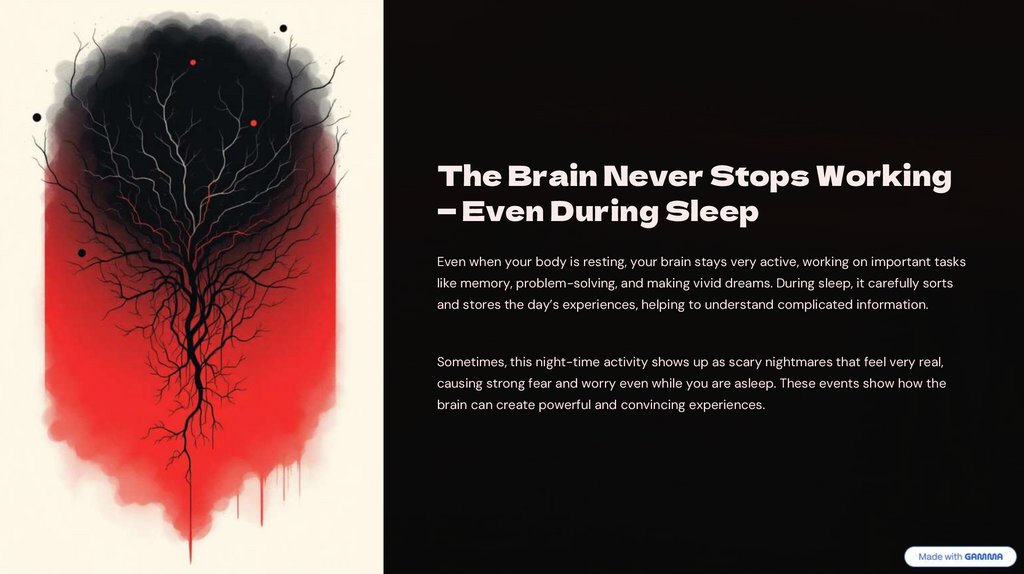
Even when your body is resting, your brain stays very active, working on important tasks
like memory, problem-solving, and making vivid dreams. During sleep, it carefully sorts
and stores the day’s experiences, helping to understand complicated information.
Sometimes, this night-time activity shows up as scary nightmares that feel very real,
causing strong fear and worry even while you are asleep. These events show how the
brain can create powerful and convincing experiences.
6.
Memory Can Fail You:Alzheimer’s and
Dementia
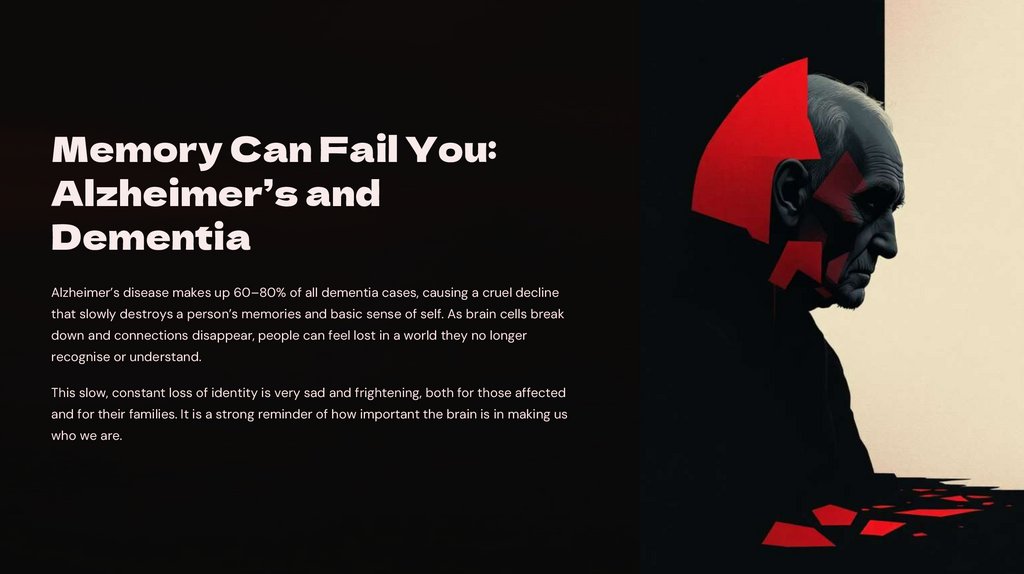
Alzheimer’s disease makes up 60–80% of all dementia cases, causing a cruel decline
that slowly destroys a person’s memories and basic sense of self. As brain cells break
down and connections disappear, people can feel lost in a world they no longer
recognise or understand.
This slow, constant loss of identity is very sad and frightening, both for those affected
and for their families. It is a strong reminder of how important the brain is in making us
who we are.
7.
Fear Is Built into YourBrain
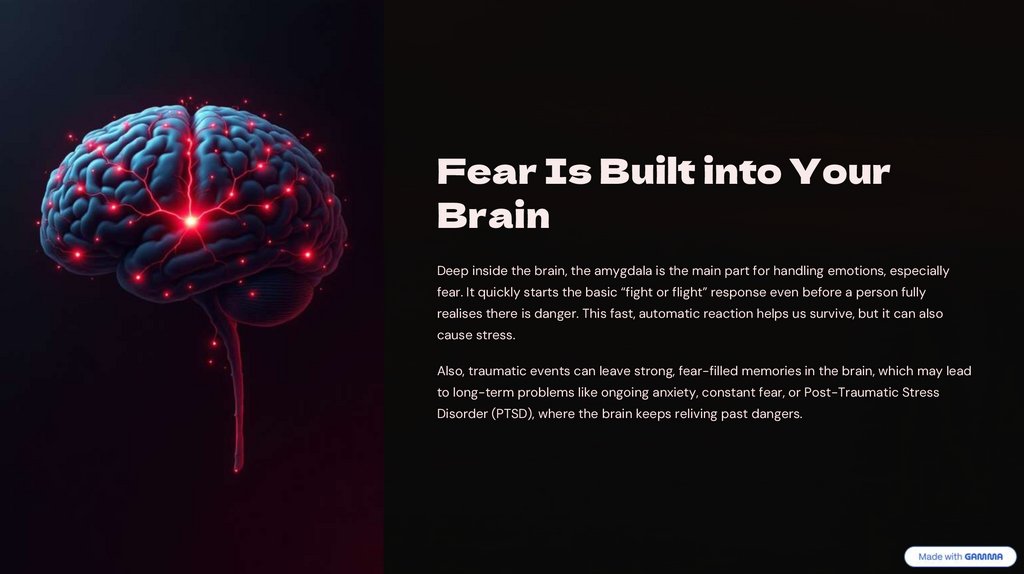
Deep inside the brain, the amygdala is the main part for handling emotions, especially
fear. It quickly starts the basic “fight or flight” response even before a person fully
realises there is danger. This fast, automatic reaction helps us survive, but it can also
cause stress.
Also, traumatic events can leave strong, fear-filled memories in the brain, which may lead
to long-term problems like ongoing anxiety, constant fear, or Post-Traumatic Stress
Disorder (PTSD), where the brain keeps reliving past dangers.
8.
The Brain Can MakeFalse Memories
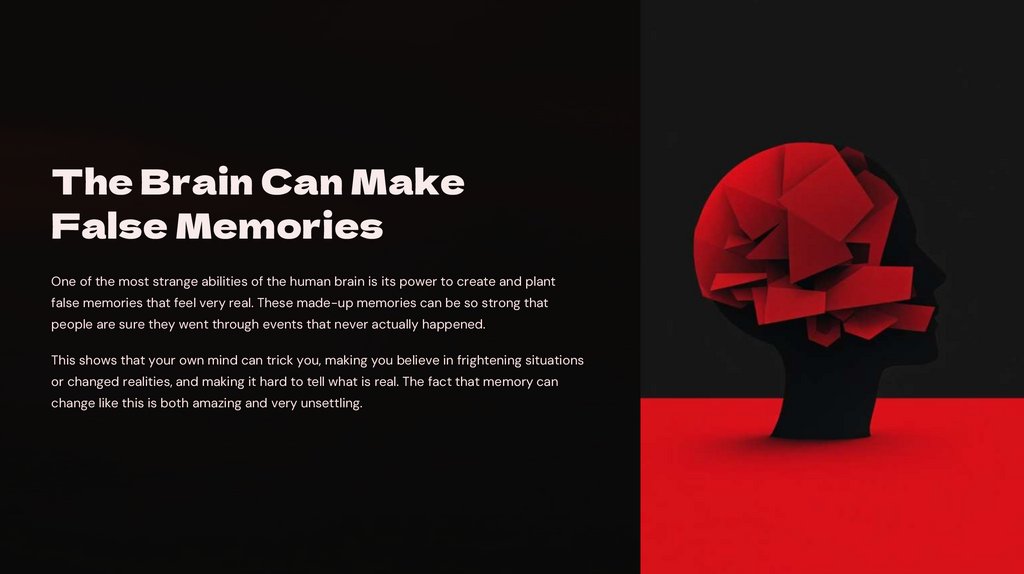
One of the most strange abilities of the human brain is its power to create and plant
false memories that feel very real. These made-up memories can be so strong that
people are sure they went through events that never actually happened.
This shows that your own mind can trick you, making you believe in frightening situations
or changed realities, and making it hard to tell what is real. The fact that memory can
change like this is both amazing and very unsettling.
9.
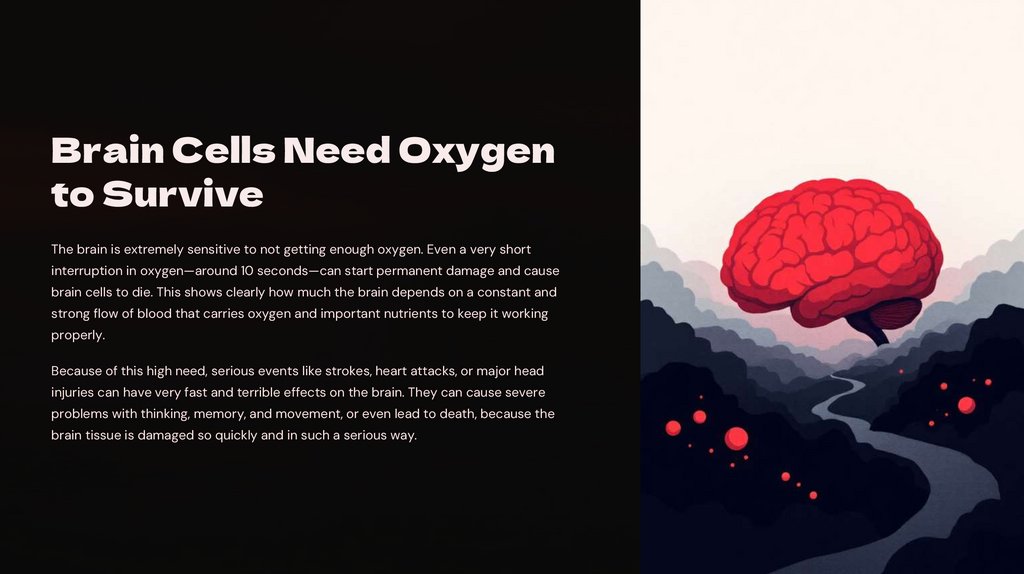
Brain Cells Need Oxygento Survive
The brain is extremely sensitive to not getting enough oxygen. Even a very short
interruption in oxygen—around 10 seconds—can start permanent damage and cause
brain cells to die. This shows clearly how much the brain depends on a constant and
strong flow of blood that carries oxygen and important nutrients to keep it working
properly.
Because of this high need, serious events like strokes, heart attacks, or major head
injuries can have very fast and terrible effects on the brain. They can cause severe
problems with thinking, memory, and movement, or even lead to death, because the
brain tissue is damaged so quickly and in such a serious way.
10.
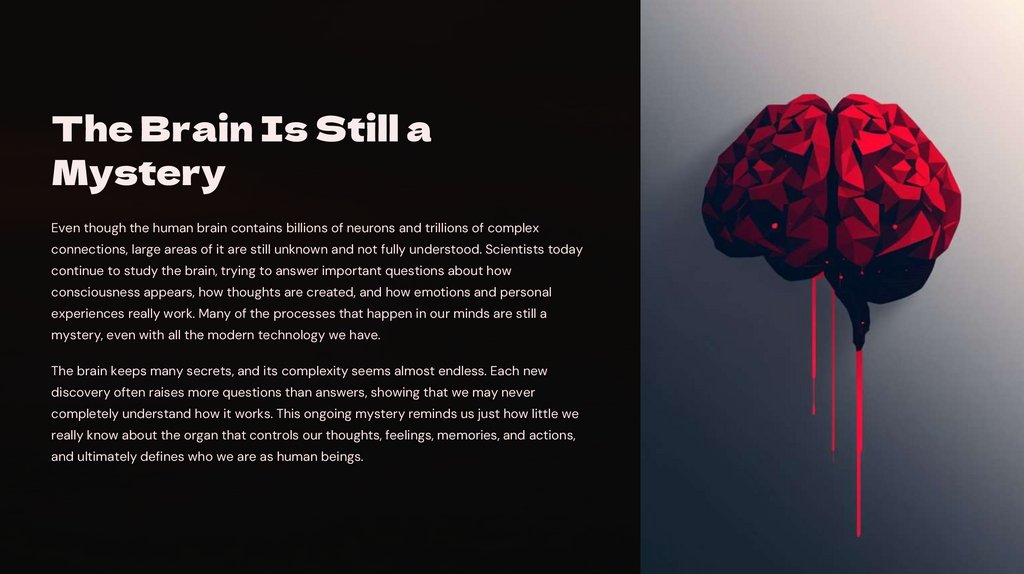
The Brain Is Still aMystery
Even though the human brain contains billions of neurons and trillions of complex
connections, large areas of it are still unknown and not fully understood. Scientists today
continue to study the brain, trying to answer important questions about how
consciousness appears, how thoughts are created, and how emotions and personal
experiences really work. Many of the processes that happen in our minds are still a
mystery, even with all the modern technology we have.
The brain keeps many secrets, and its complexity seems almost endless. Each new
discovery often raises more questions than answers, showing that we may never
completely understand how it works. This ongoing mystery reminds us just how little we
really know about the organ that controls our thoughts, feelings, memories, and actions,
and ultimately defines who we are as human beings.