

 geography
Similar presentations:




Australian sights
1.
2.
Australian sights3.
The first landmarkBig Barrier Reef (BBR)
(It's very beautiful there)
4.
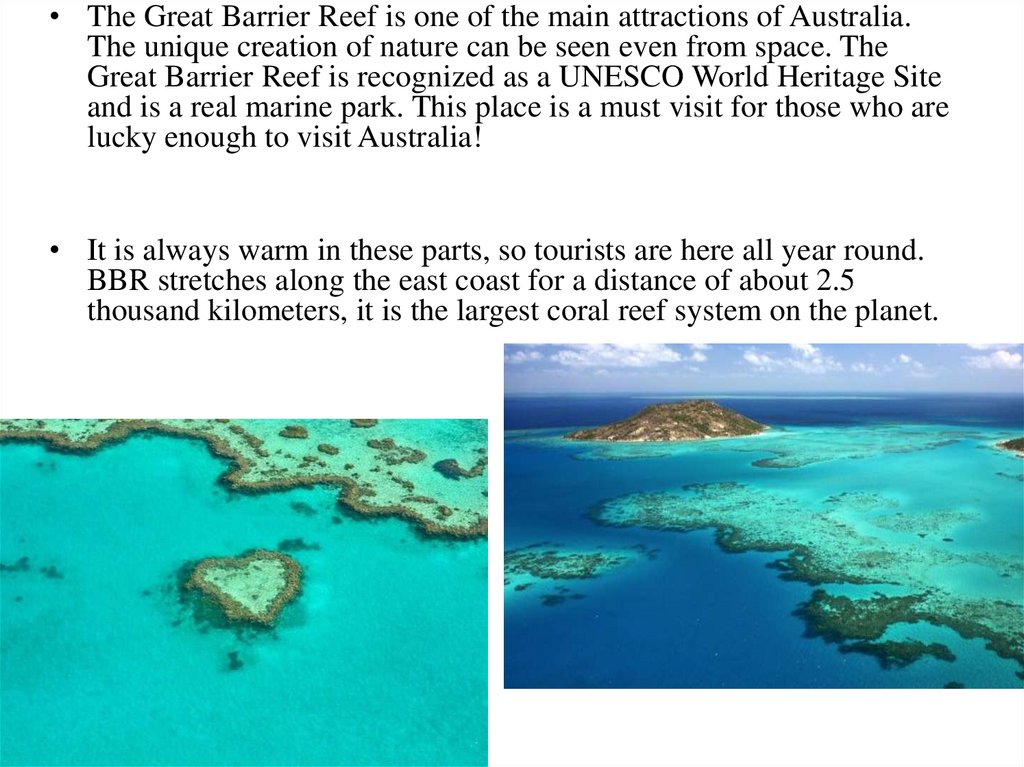
• The Great Barrier Reef is one of the main attractions of Australia.The unique creation of nature can be seen even from space. The
Great Barrier Reef is recognized as a UNESCO World Heritage Site
and is a real marine park. This place is a must visit for those who are
lucky enough to visit Australia!
• It is always warm in these parts, so tourists are here all year round.
BBR stretches along the east coast for a distance of about 2.5
thousand kilometers, it is the largest coral reef system on the planet.
5.
The second landmarkThe Great Ocean Road
6.
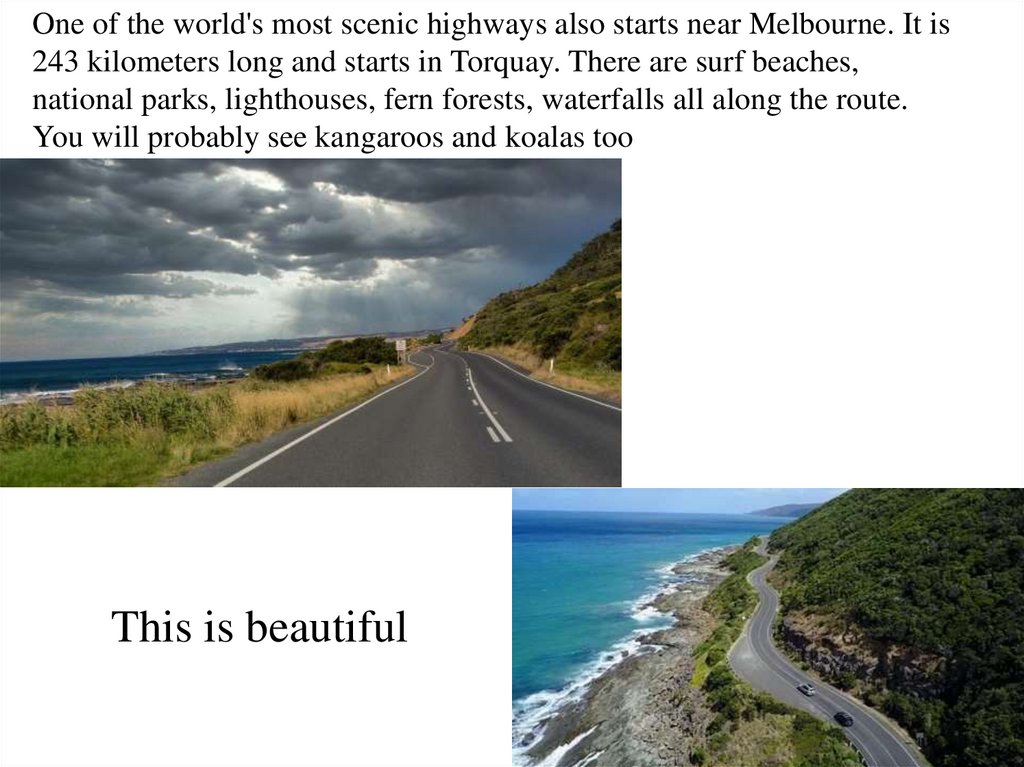
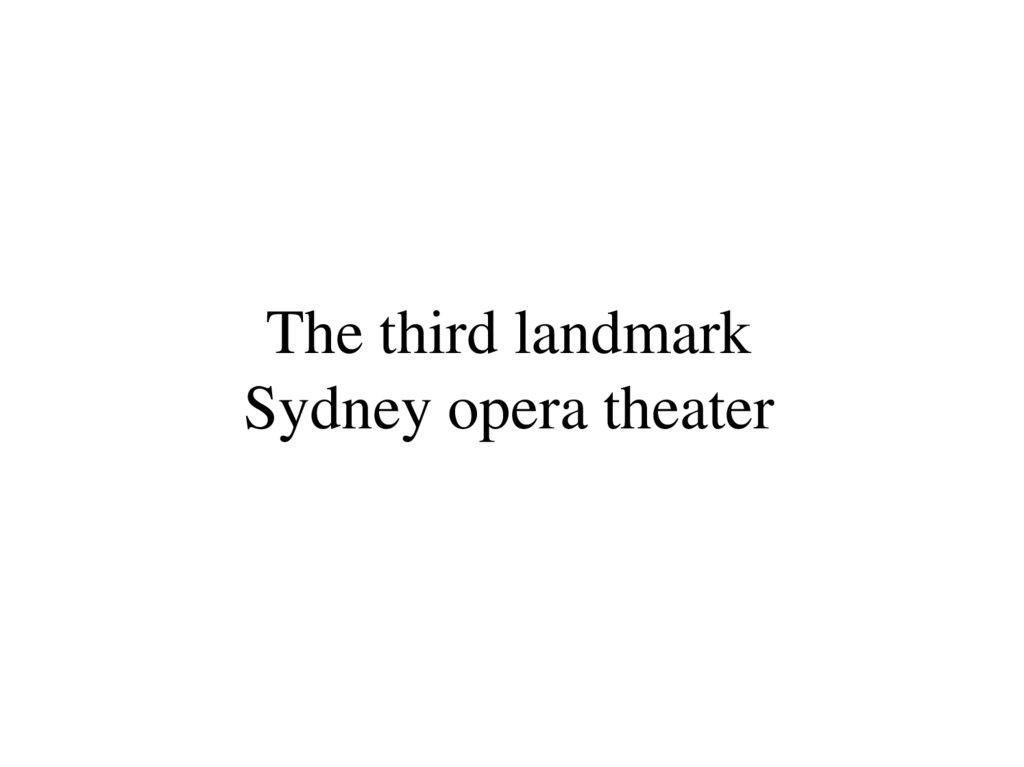
One of the world's most scenic highways also starts near Melbourne. It is243 kilometers long and starts in Torquay. There are surf beaches,
national parks, lighthouses, fern forests, waterfalls all along the route.
You will probably see kangaroos and koalas too
This is beautiful
7.
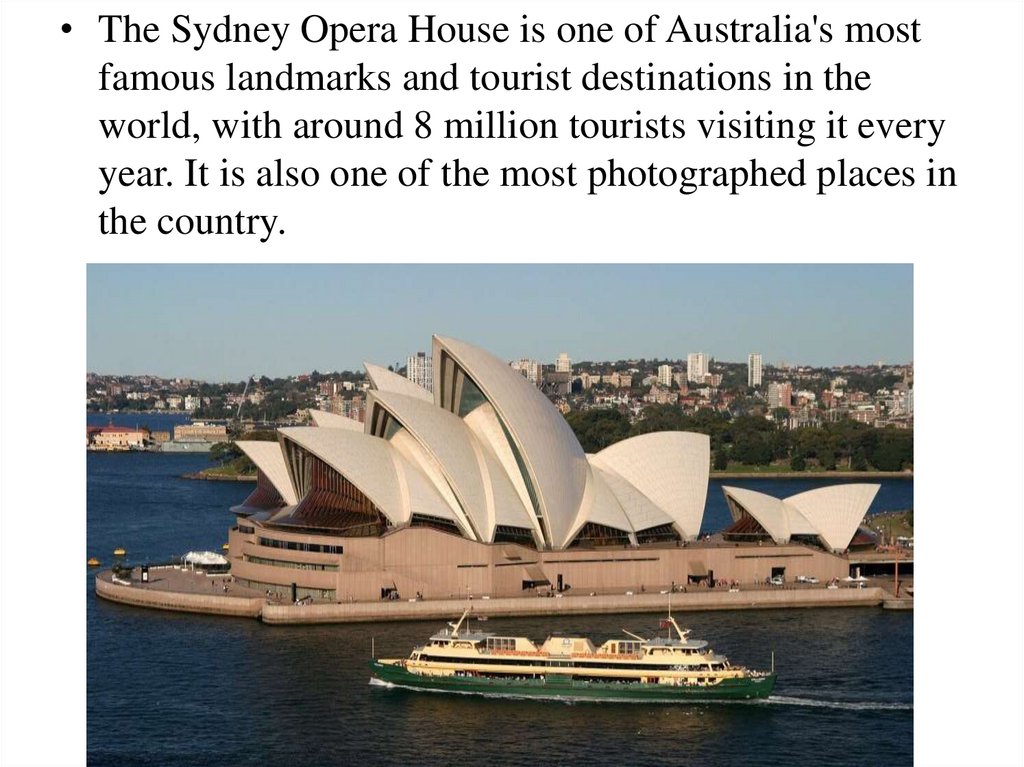
The third landmarkSydney opera theater
8.
• The Sydney Opera House is one of Australia's mostfamous landmarks and tourist destinations in the
world, with around 8 million tourists visiting it every
year. It is also one of the most photographed places in
the country.
9.
Sports in Australia10.
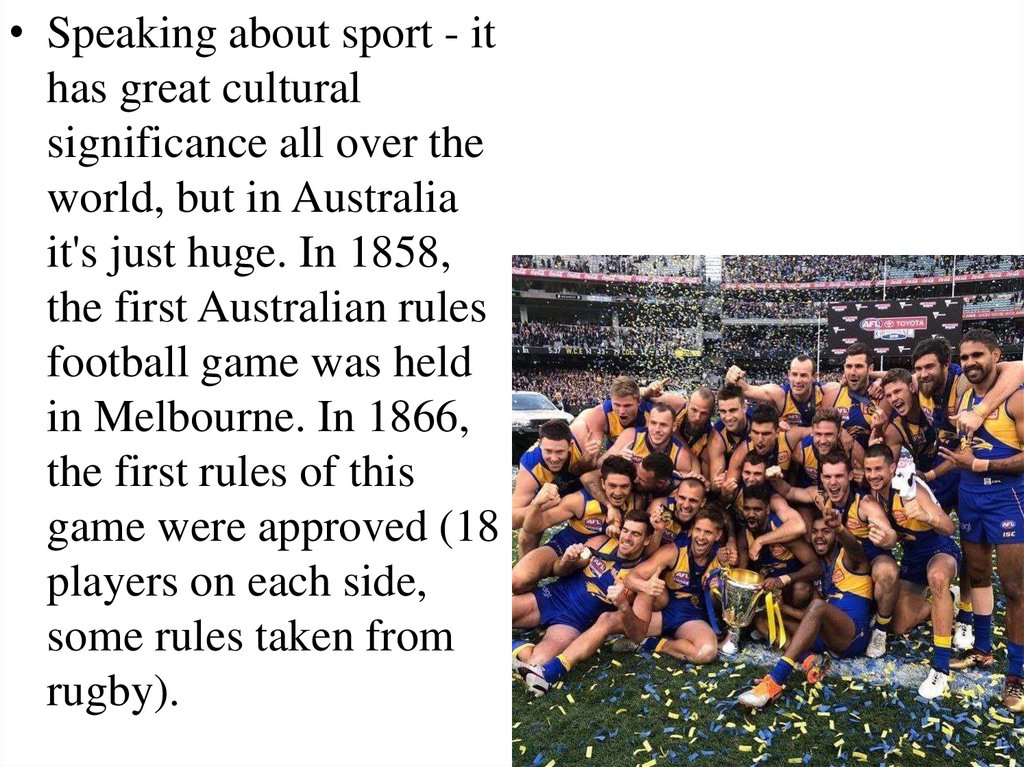
• Speaking about sport - ithas great cultural
significance all over the
world, but in Australia
it's just huge. In 1858,
the first Australian rules
football game was held
in Melbourne. In 1866,
the first rules of this
game were approved (18
players on each side,
some rules taken from
rugby).
11.
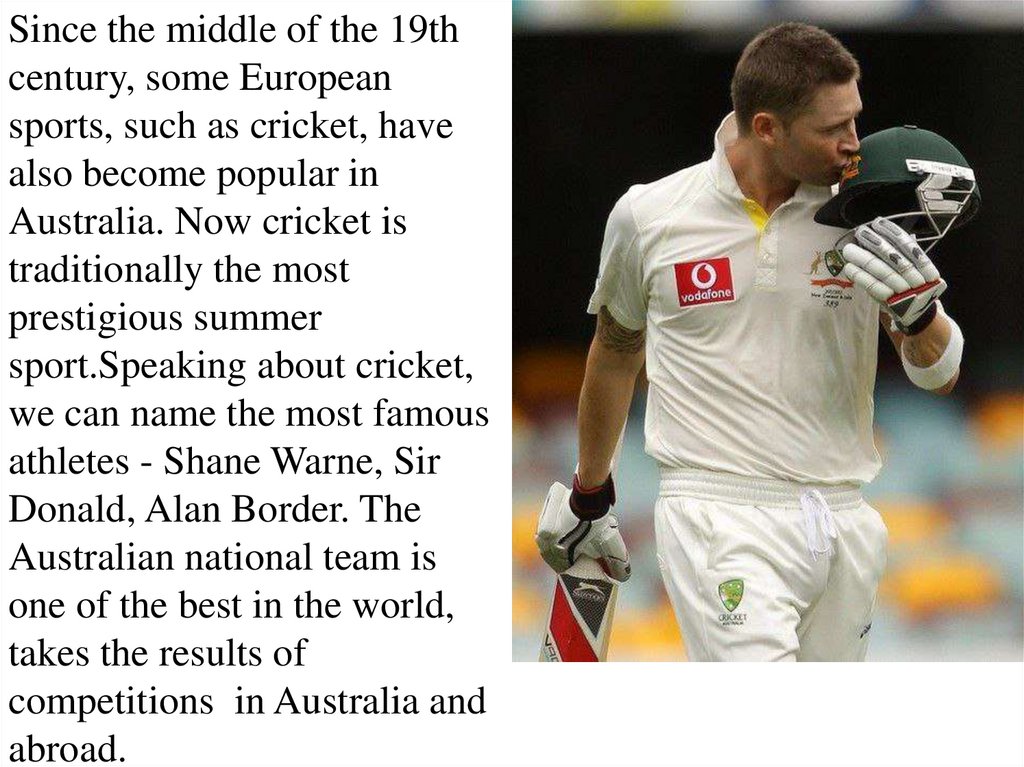
Since the middle of the 19thcentury, some European
sports, such as cricket, have
also become popular in
Australia. Now cricket is
traditionally the most
prestigious summer
sport.Speaking about cricket,
we can name the most famous
athletes - Shane Warne, Sir
Donald, Alan Border. The
Australian national team is
one of the best in the world,
takes the results of
competitions in Australia and
abroad.
12.
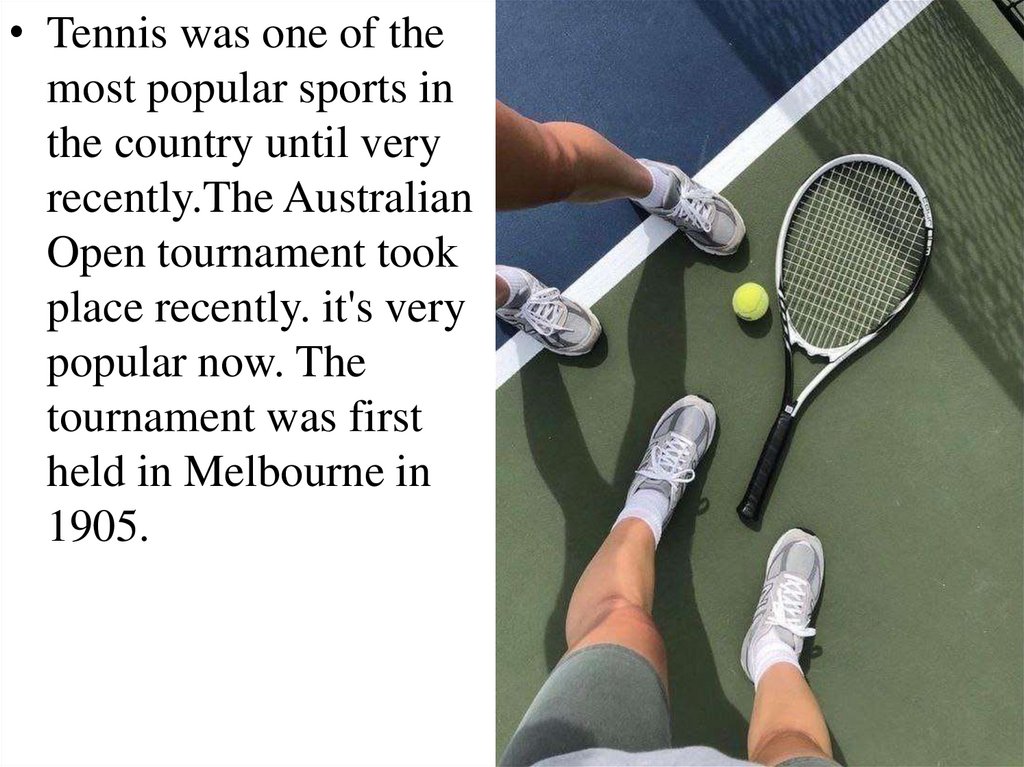
• Tennis was one of themost popular sports in
the country until very
recently.The Australian
Open tournament took
place recently. it's very
popular now. The
tournament was first
held in Melbourne in
1905.
13.
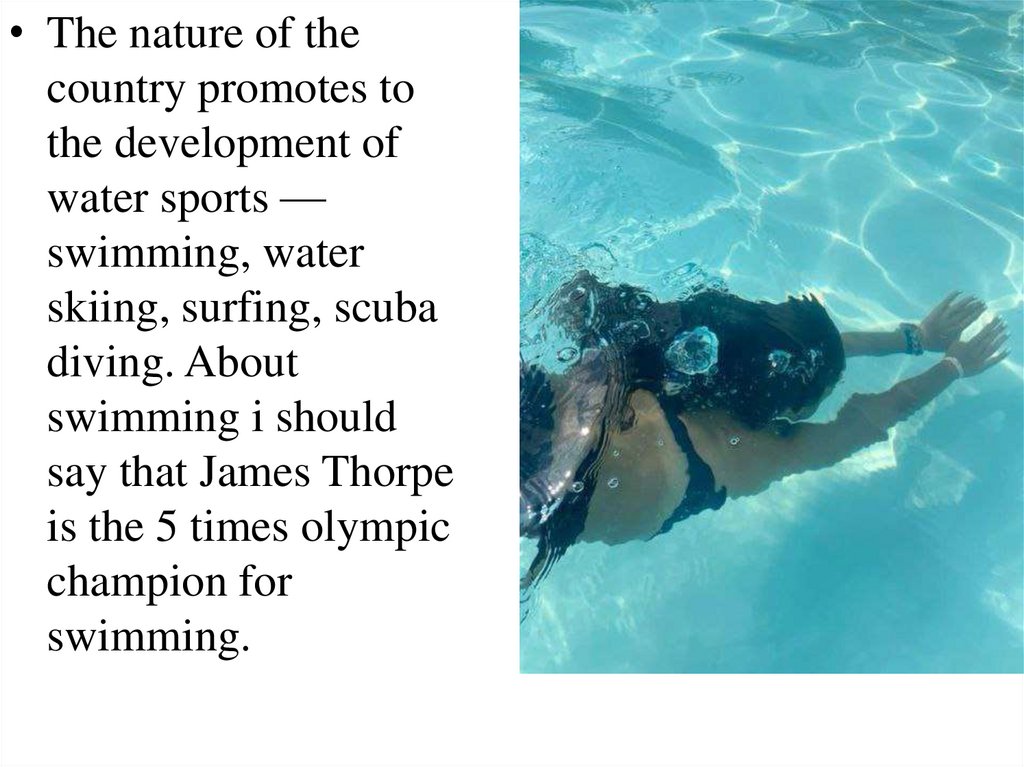
• The nature of thecountry promotes to
the development of
water sports —
swimming, water
skiing, surfing, scuba
diving. About
swimming i should
say that James Thorpe
is the 5 times olympic
champion for
swimming.
14.
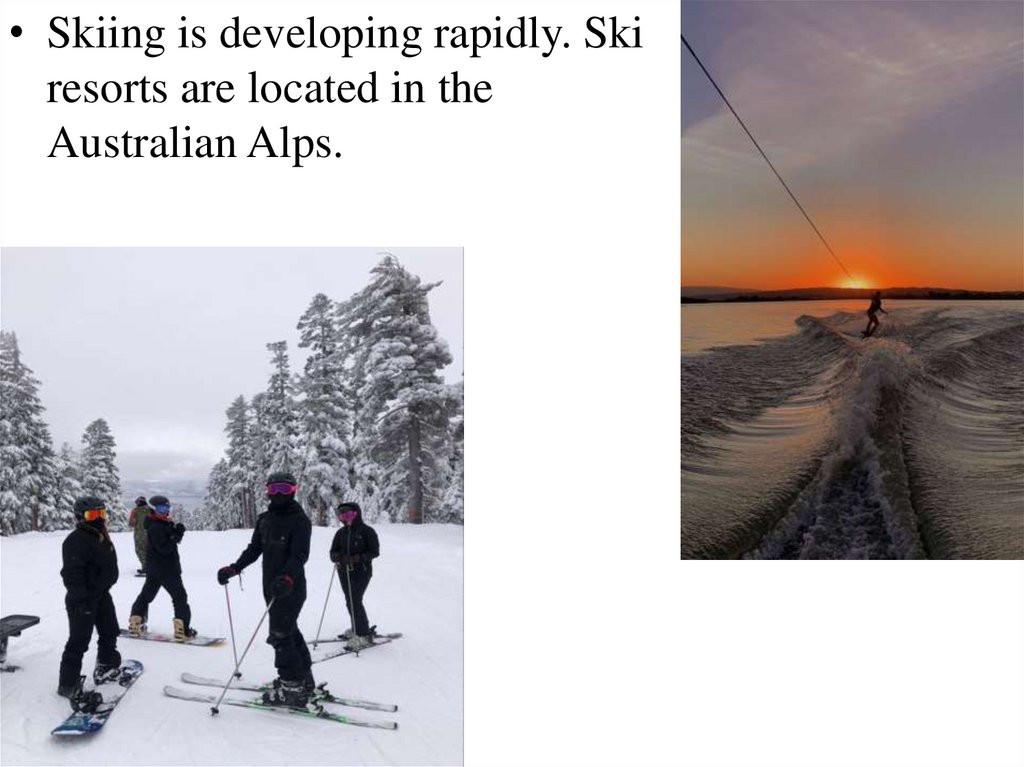
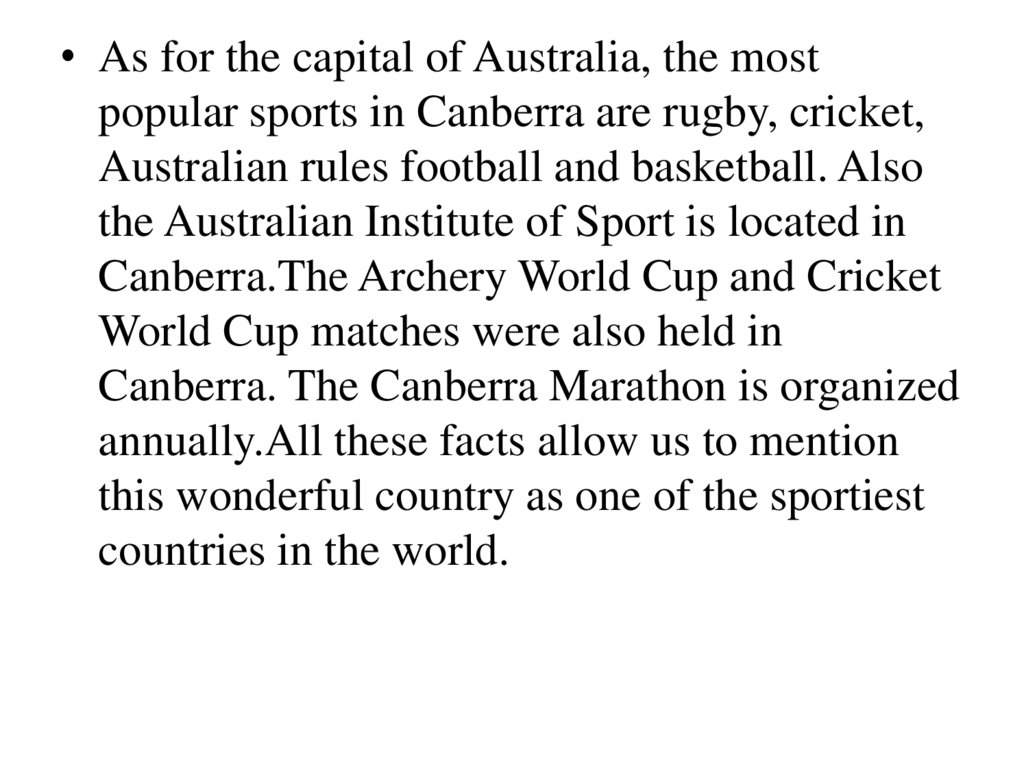
• Skiing is developing rapidly. Skiresorts are located in the
Australian Alps.
15.
• As for the capital of Australia, the mostpopular sports in Canberra are rugby, cricket,
Australian rules football and basketball. Also
the Australian Institute of Sport is located in
Canberra.The Archery World Cup and Cricket
World Cup matches were also held in
Canberra. The Canberra Marathon is organized
annually.All these facts allow us to mention
this wonderful country as one of the sportiest
countries in the world.
16.
Animals of Australia17.
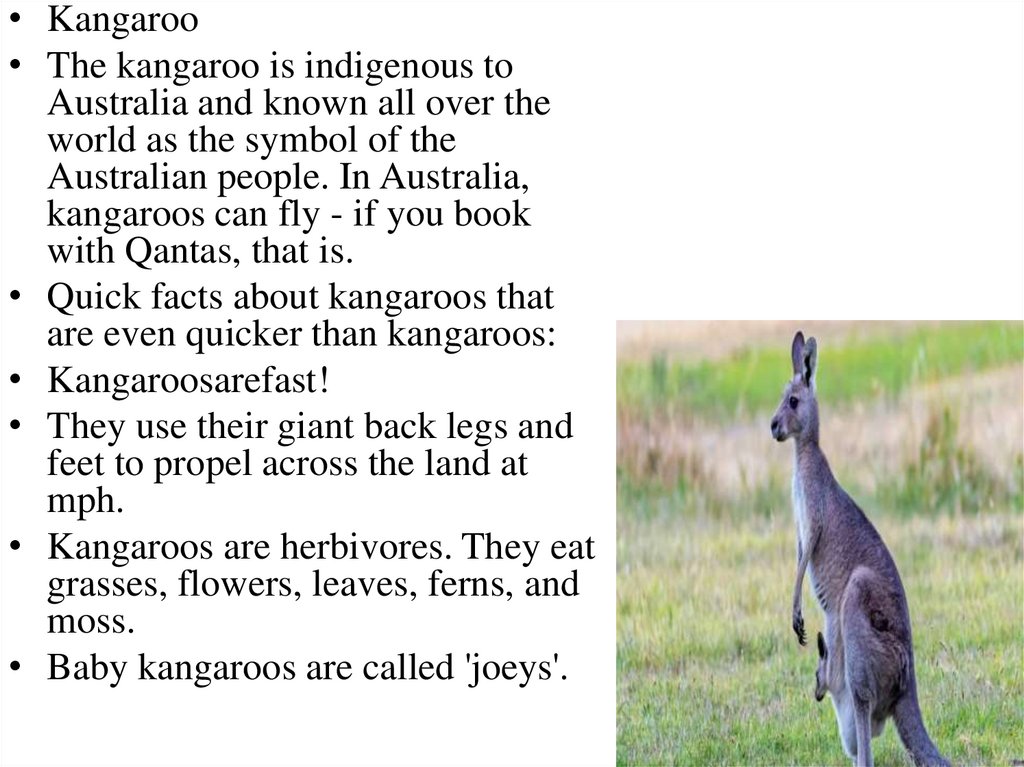
• Kangaroo• The kangaroo is indigenous to
Australia and known all over the
world as the symbol of the
Australian people. In Australia,
kangaroos can fly - if you book
with Qantas, that is.
• Quick facts about kangaroos that
are even quicker than kangaroos:
• Kangaroosarefast!
• They use their giant back legs and
feet to propel across the land at
mph.
• Kangaroos are herbivores. They eat
grasses, flowers, leaves, ferns, and
moss.
• Baby kangaroos are called 'joeys'.
18.
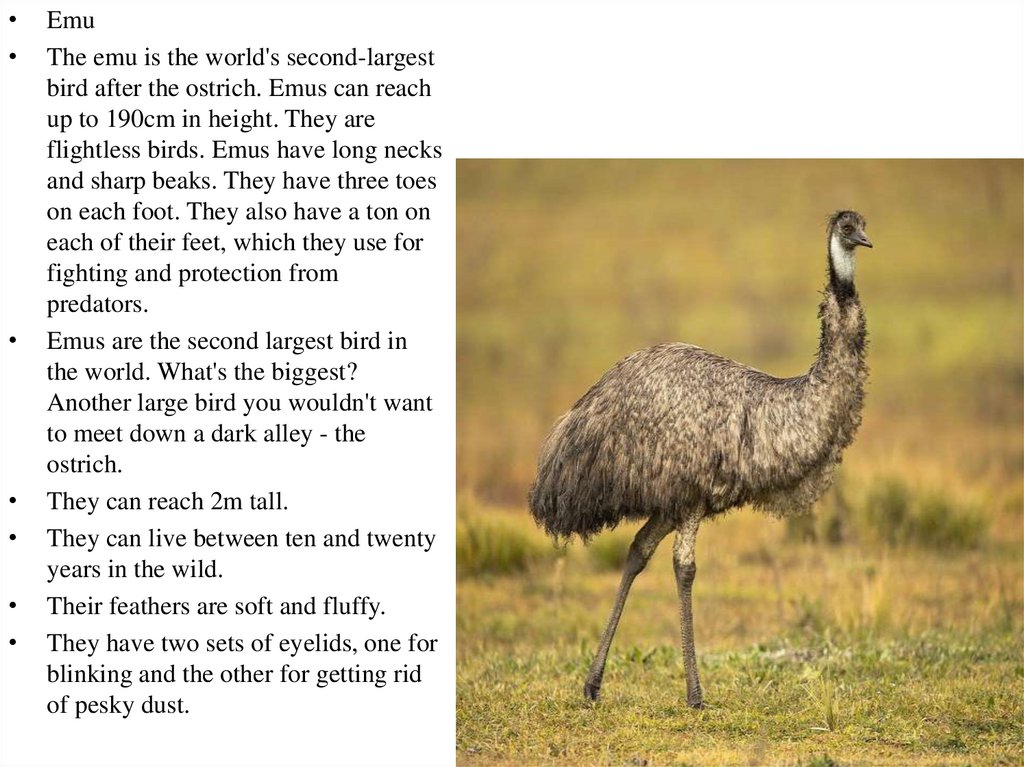
Emu
The emu is the world's second-largest
bird after the ostrich. Emus can reach
up to 190cm in height. They are
flightless birds. Emus have long necks
and sharp beaks. They have three toes
on each foot. They also have a ton on
each of their feet, which they use for
fighting and protection from
predators.
Emus are the second largest bird in
the world. What's the biggest?
Another large bird you wouldn't want
to meet down a dark alley - the
ostrich.
They can reach 2m tall.
They can live between ten and twenty
years in the wild.
Their feathers are soft and fluffy.
They have two sets of eyelids, one for
blinking and the other for getting rid
of pesky dust.
19.
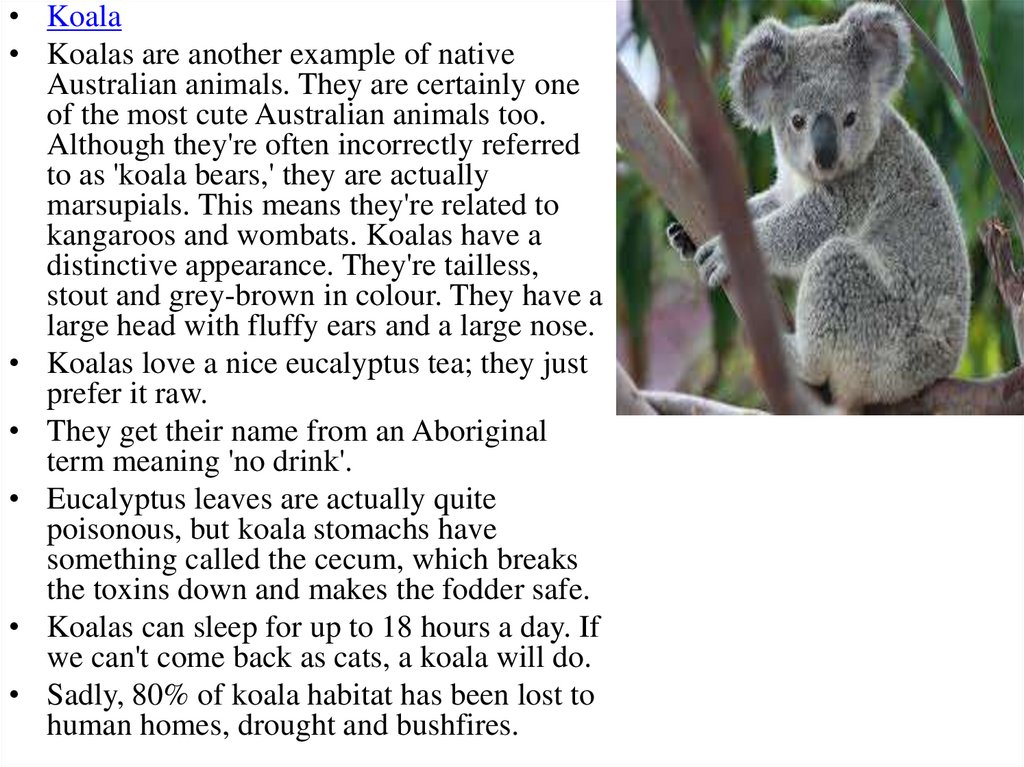
• Koala• Koalas are another example of native
Australian animals. They are certainly one
of the most cute Australian animals too.
Although they're often incorrectly referred
to as 'koala bears,' they are actually
marsupials. This means they're related to
kangaroos and wombats. Koalas have a
distinctive appearance. They're tailless,
stout and grey-brown in colour. They have a
large head with fluffy ears and a large nose.
• Koalas love a nice eucalyptus tea; they just
prefer it raw.
• They get their name from an Aboriginal
term meaning 'no drink'.
• Eucalyptus leaves are actually quite
poisonous, but koala stomachs have
something called the cecum, which breaks
the toxins down and makes the fodder safe.
• Koalas can sleep for up to 18 hours a day. If
we can't come back as cats, a koala will do.
• Sadly, 80% of koala habitat has been lost to
human homes, drought and bushfires.
20.
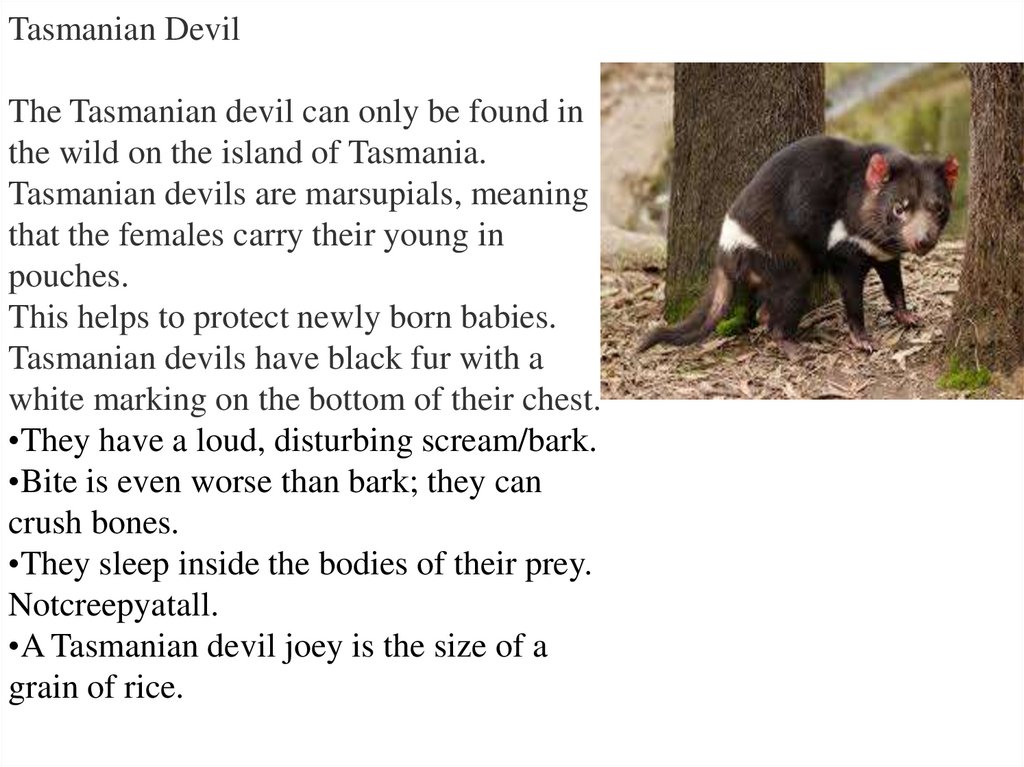
Tasmanian DevilThe Tasmanian devil can only be found in
the wild on the island of Tasmania.
Tasmanian devils are marsupials, meaning
that the females carry their young in
pouches.
This helps to protect newly born babies.
Tasmanian devils have black fur with a
white marking on the bottom of their chest.
•They have a loud, disturbing scream/bark.
•Bite is even worse than bark; they can
crush bones.
•They sleep inside the bodies of their prey.
Notcreepyatall.
•A Tasmanian devil joey is the size of a
grain of rice.
21.
Great Australian Inventions• Australia is famous not only for its unusual
flora and fauna. Australia is also home to many
genius minds who invented revolutionary
technologies which became an essential part of
our everyday lives! The following is a list of
everyday items that make our lives easier –
for which we have Aussies to thank.
22.
GreatAustralianInventions• Australia is famous not only for its unusual flora and
fauna.Australia is also home to many genius minds
who invented revolutionary technologies which
became an essential part of our everyday lives!The
following is a list of everyday items that make our
lives easier – for which we have Aussies to thank
23.
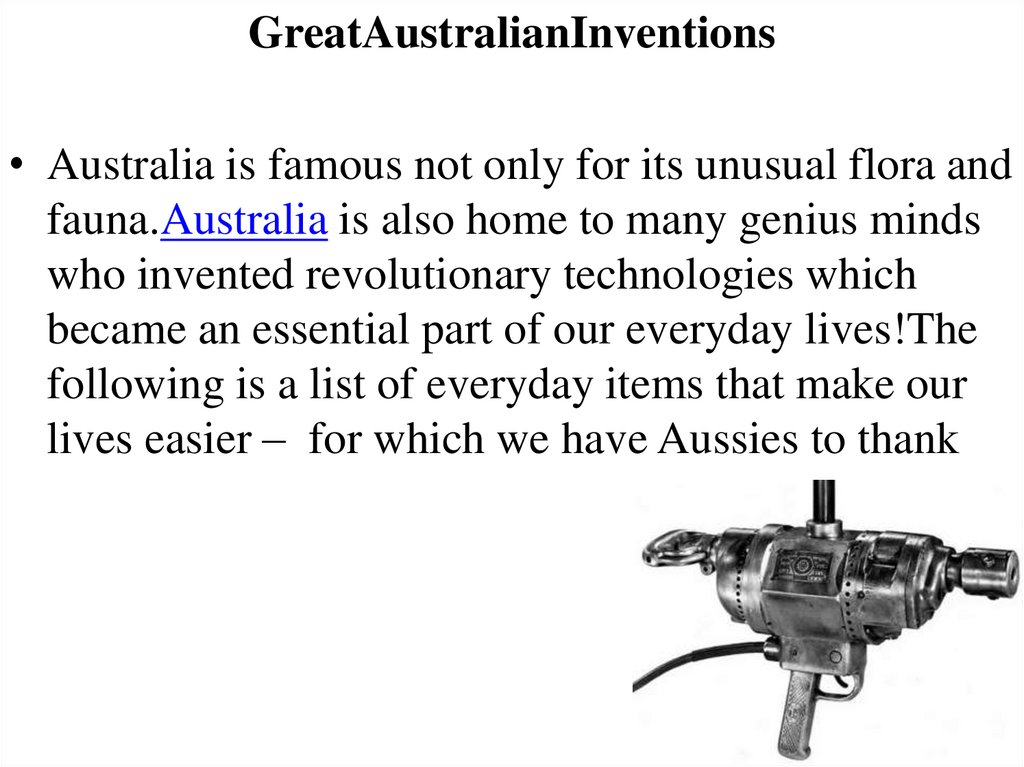
The electric drill• While the concept of a drill has been in use for
thousands of years, the advent of the electric motor
in the 19th century led to the development of the
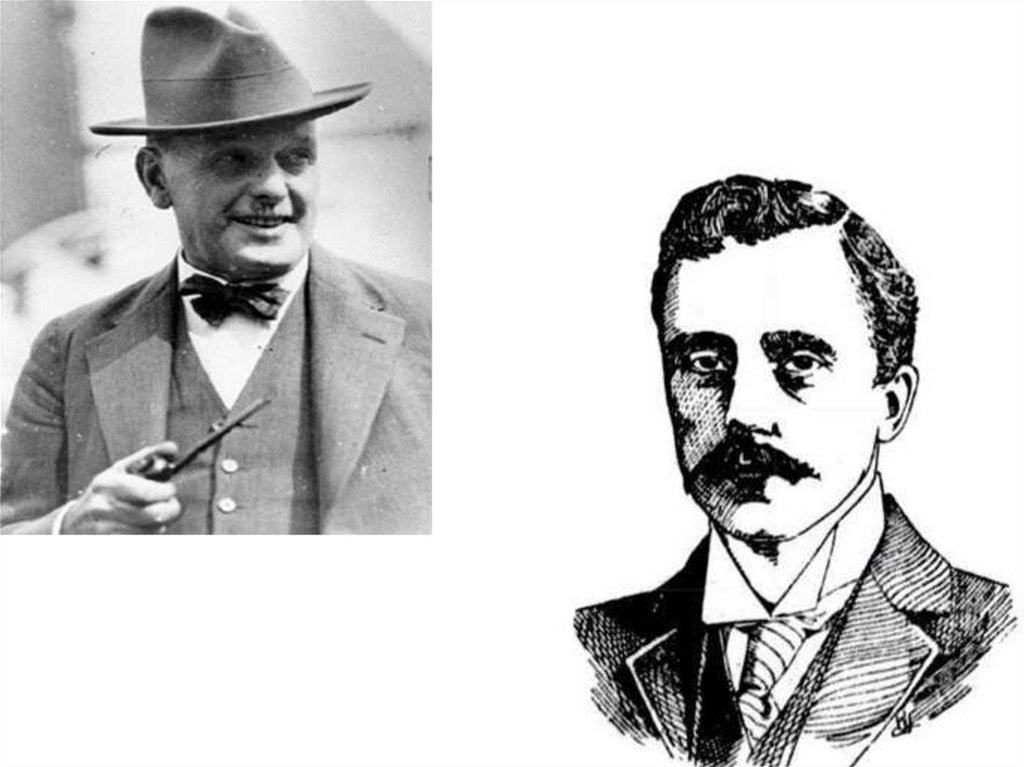
electric drill. Designed by Arthur James Arnot and
William Blanch Brain in Melbourne in 1889, the size
of the first electric drill was, to say the least,
massive. It was designed to cut through coal and
rock for mining applications. While this initial model
was far from portable, the same technology was
refined to create the modern-day hand drill.
24.
25.
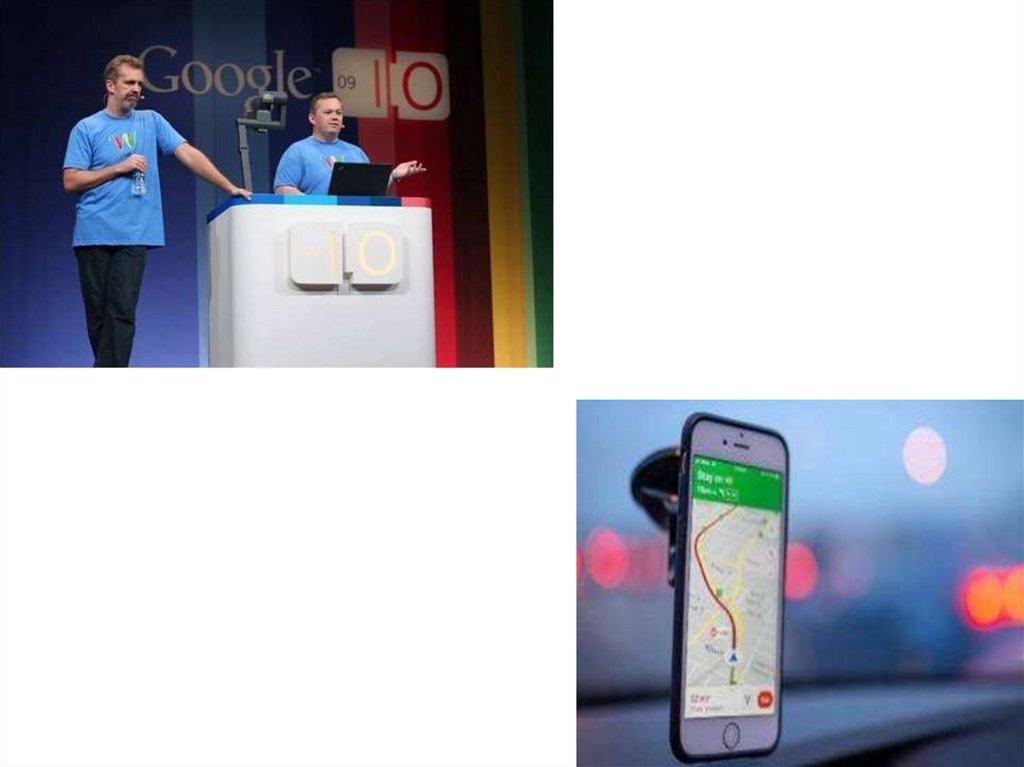
Google Maps• Danish brothers Lars and Jens Rasmussen developed
the platform for Google Maps in Sydney in the early
2000s. Along with Australians Neil Gordon and
Stephen Ma, they founded a small start-up company
called Where 2 Technologies in 2003. The following
year it was bought by internet giant Google, which
also hired the four men, and the technology was
turned into what we now know as Google Maps.
26.
27.
Wi-Fi technology• In 1992 John O’ Sullivan and the CSIRO
(Commonwealth Scientific and Industrial Research
Organisation) developed Wi-Fi technology, used by
more than a billion people around the world today.
The core parts of the technology came out of
research in the mid-1970s in the field of radio
astronomy, when John and his colleagues at the
CSIRO were originally looking for the faint echoes
of black holes.
28.
• As a result of this work, the CSIRO has held keypatents for Wi-Fi technology since the mid-1990s,
bringing the organisation millions of dollars in
royalties every year.
29.
Plastic spectacle lenses• As a result of this work, the CSIRO has held key
patents for Wi-Fi technology since the mid-1990s,
bringing the organisation millions of dollars in
royalties every year. I am sure that in the future
Australian scientists will invent amazing things.
Thankyouforyourattention.
30.
Interesting facts about Australia31.
• 1.Australia occupies a continent named afteritself. In terms of size, the country ranks sixth
after Russia, Canada, China, USA and Brazil.
The area of Australia is approximately 7.7
million km2
32.
• 2.Many people from other countries come toAustralia. The number of non-indigenous population
reaches 25 percent. Due to such a large flow of
migrants in the country communicate in all kinds of
languages. The most common is the so-called
Australian English, which is spoken by 15.5 million
people. The most common languages after English
are Italian, Greek, Cantonese, Arabic, Mandarin (the
official language in the People's Republic of China,
Singapore and Taiwan), Vietnamese and Spanish.
33.
• 3.Canberra is Australia's capital and largest city,located inland rather than on the coast. Two major
cities competed for the right to become the
Australian capital: Sydney and Melbourne. As a
result, the best solution to resolve the dispute was
to choose a compromise - and in 1908 it was
decided that the future capital will be Canberra.
The design of the city was based on the idea of a
garden, implying a large area devoted to natural
vegetation. The plan was implemented, and
Australians began to call Canberra bush capital,
which means “forest capital”.
34.
• 4.Another interesting fact about Australia isthat off the coast of Queensland lies the Great
Barrier Reef, the largest coral reef system on
the planet, home to more than 1,500 different
species of fish and over 400 species of coral..
35.
• 5.The longest fence in the world, the DingoFence, also called the Dog Fence, stretches
5,614 kilometers in Australia. It is a huge mesh
fence built in 1885 to keep livestock safe from
dingoes and pastures safe from proliferating
rabbits.
36.
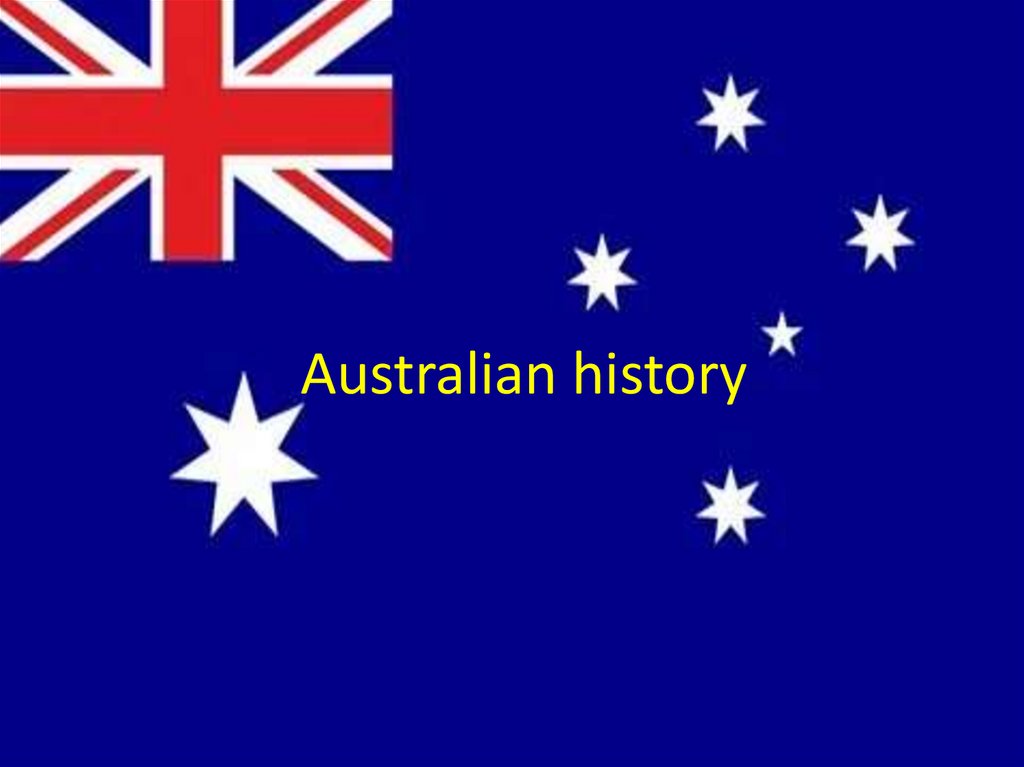
Australian history37.
• The history of Australia commences with the arrivalof the first ancestors of Aboriginal Australians by
sea from Maritime Southeast Asia between 50,000
and 65,000 years ago, and continues to the present
with multicultural nations. At the time of first
European contact, estimates of the Aboriginal
population range from 300,000 to one million. There
were about 600 tribes and 250 languages.
Dutch navigators explored the
western and southern coasts in the
17th century and named the continent
New Holland.
38.
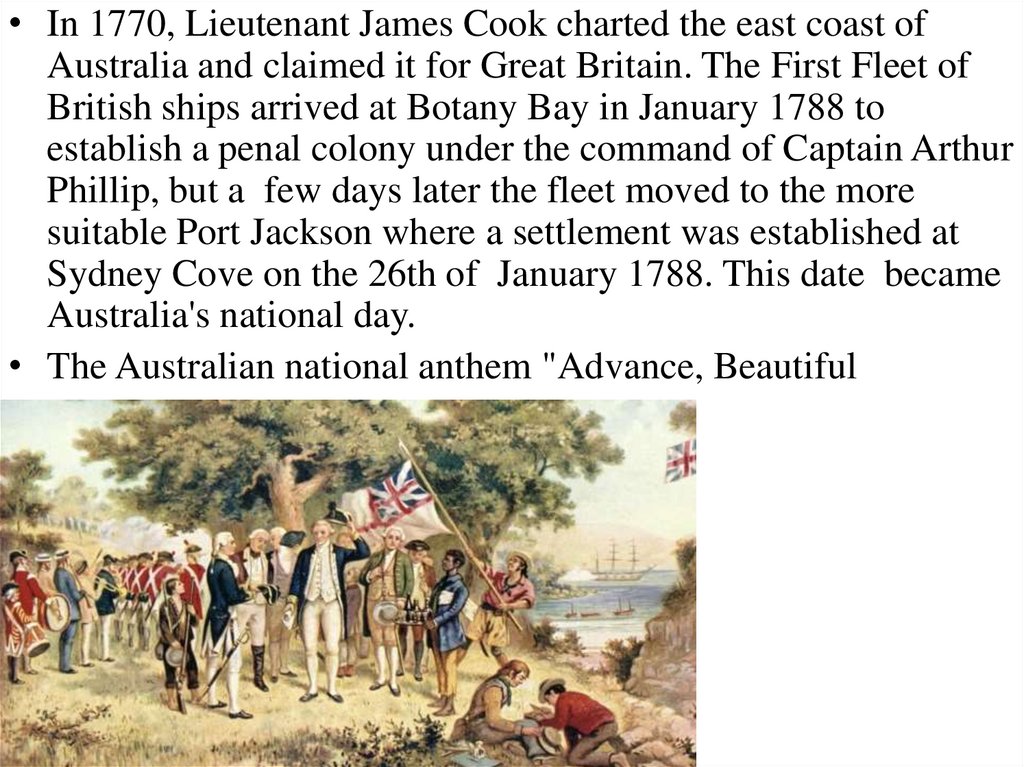
• In 1770, Lieutenant James Cook charted the east coast ofAustralia and claimed it for Great Britain. The First Fleet of
British ships arrived at Botany Bay in January 1788 to
establish a penal colony under the command of Captain Arthur
Phillip, but a few days later the fleet moved to the more
suitable Port Jackson where a settlement was established at
Sydney Cove on the 26th of January 1788. This date became
Australia's national day.
• The Australian national anthem "Advance, Beautiful