 geography
Similar presentations:







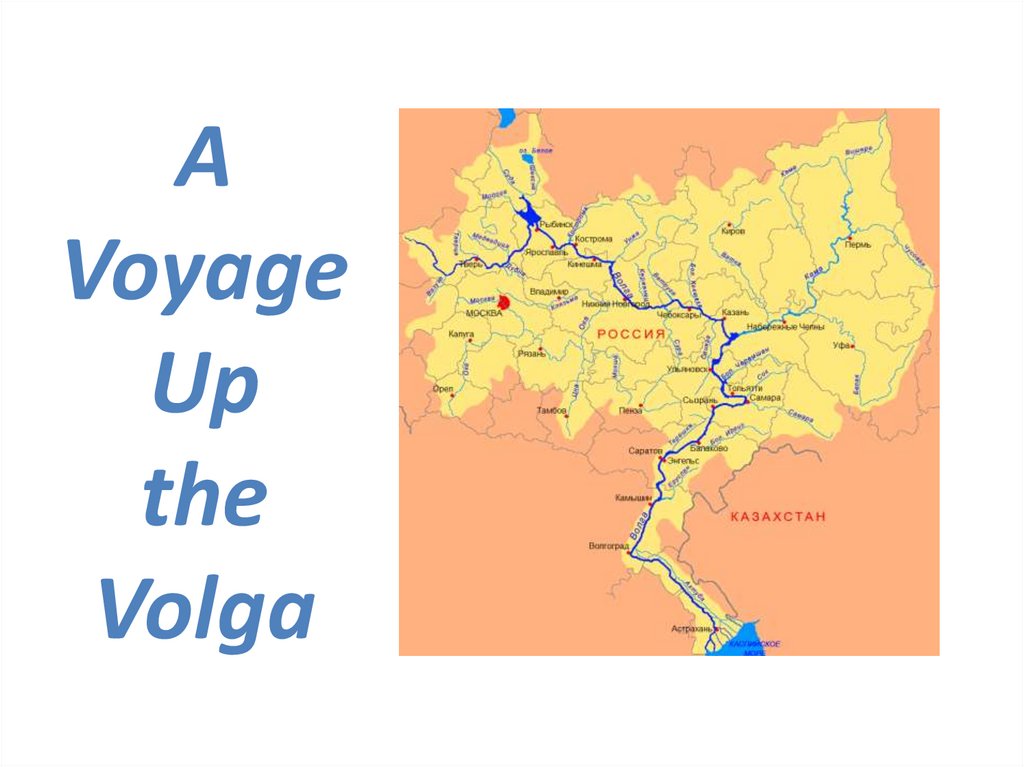
A Voyage Up the Volga
1.
AVoyage
Up
the
Volga
2.
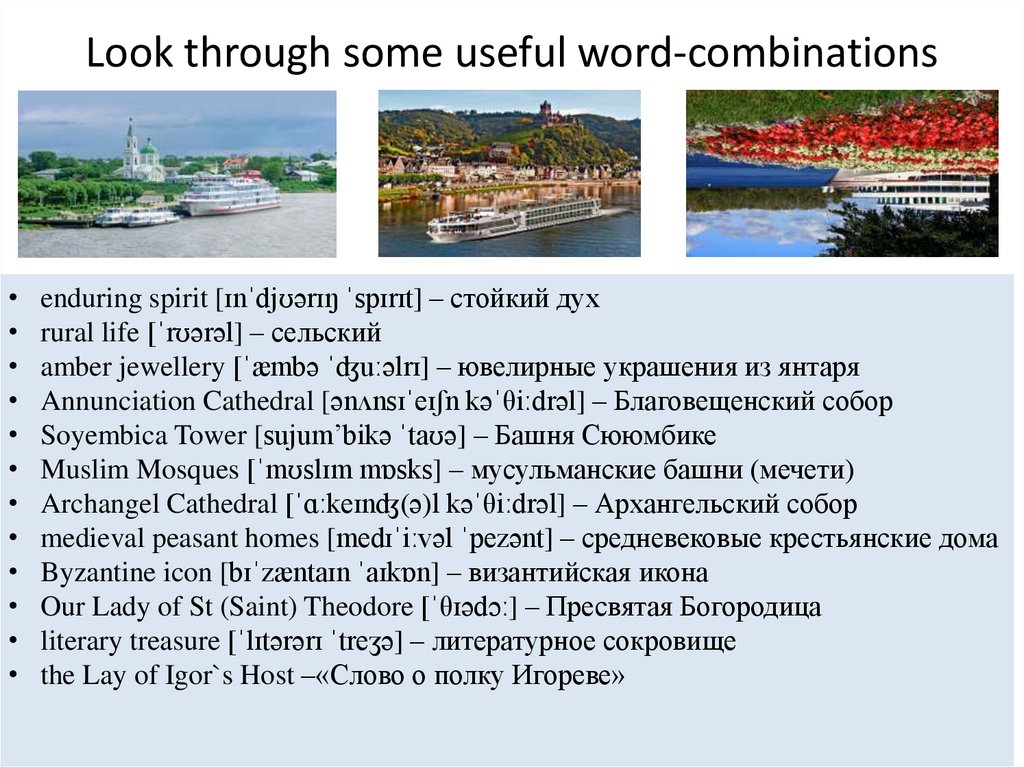
Look through some useful word-combinationsenduring spirit [ɪnˈdjʊərɪŋ ˈspɪrɪt] – стойкий дух
rural life [ˈrʊərəl] – сельский
amber jewellery [ˈæmbə ˈʤuːəlrɪ] – ювелирные украшения из янтаря
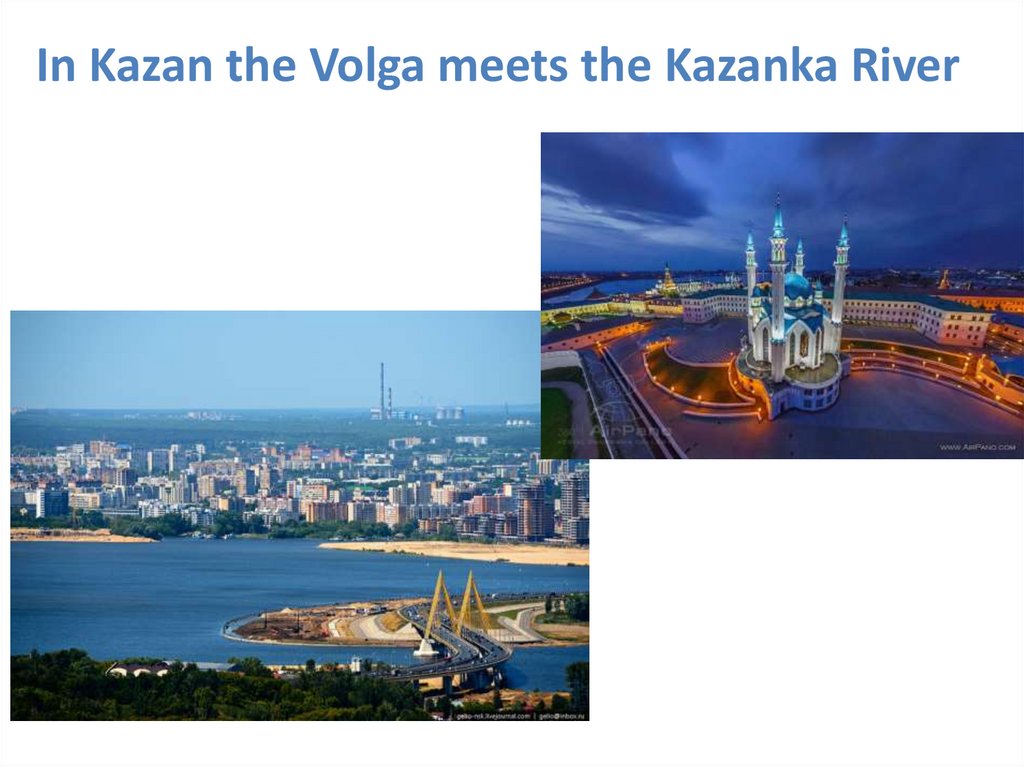
Annunciation Cathedral [ənʌnsɪˈeɪʃn kəˈθiːdrəl] – Благовещенский собор
Soyembica Tower [sujum’bikə ˈtaʊə] – Башня Сююмбике
Muslim Mosques [ˈmʊslɪm mɒsks] – мусульманские башни (мечети)
Archangel Cathedral [ˈɑːkeɪnʤ(ə)l kəˈθiːdrəl] – Архангельский собор
medieval peasant homes [medɪˈiːvəl ˈpezənt] – средневековые крестьянские дома
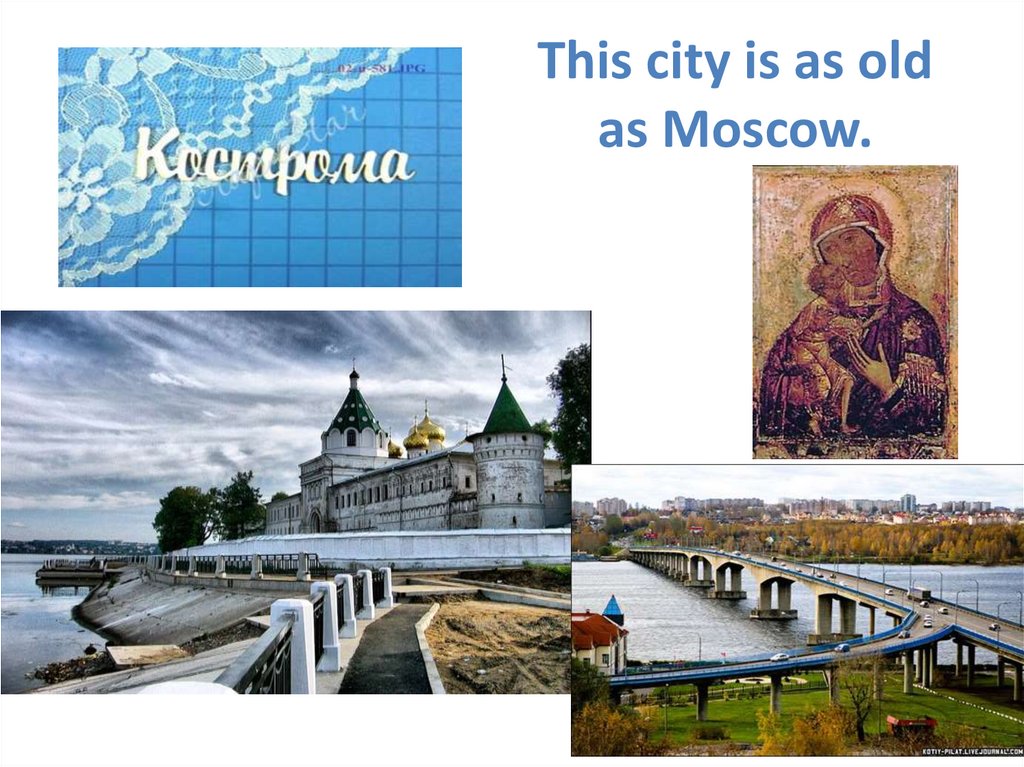
Byzantine icon [bɪˈzæntaɪn ˈaɪkɒn] – византийская икона
Our Lady of St (Saint) Theodore [ˈθɪədɔː] – Пресвятая Богородица
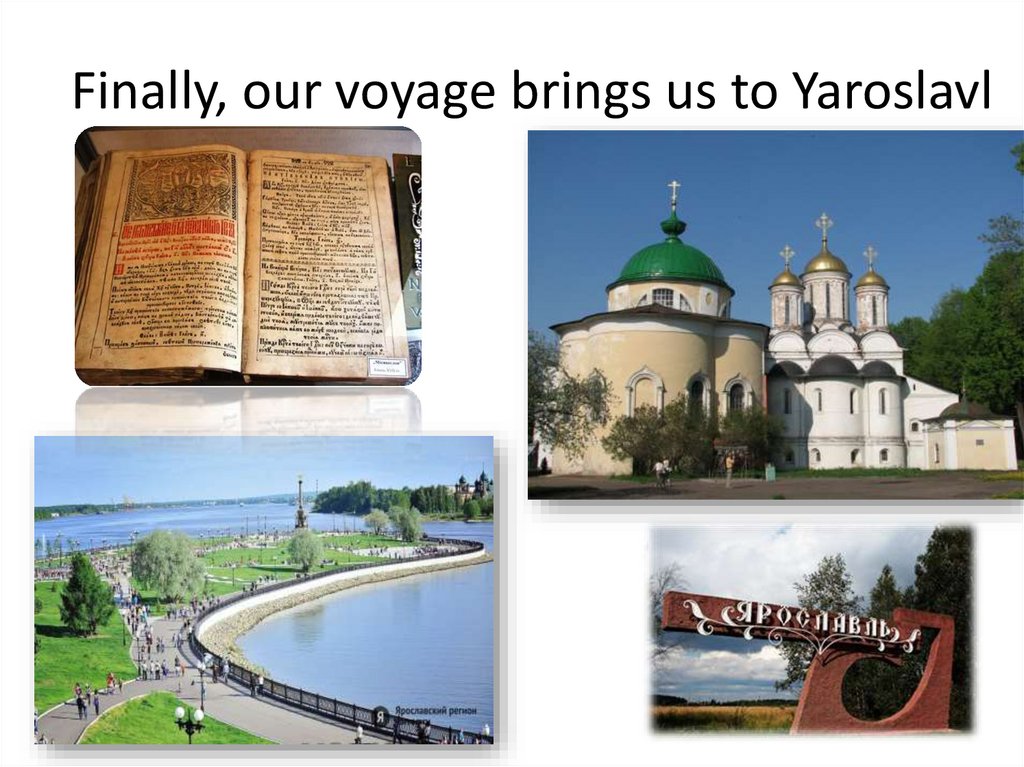
literary treasure [ˈlɪtərərɪ ˈtreʒə] – литературное сокровище
the Lay of Igor`s Host –«Слово о полку Игореве»
3.
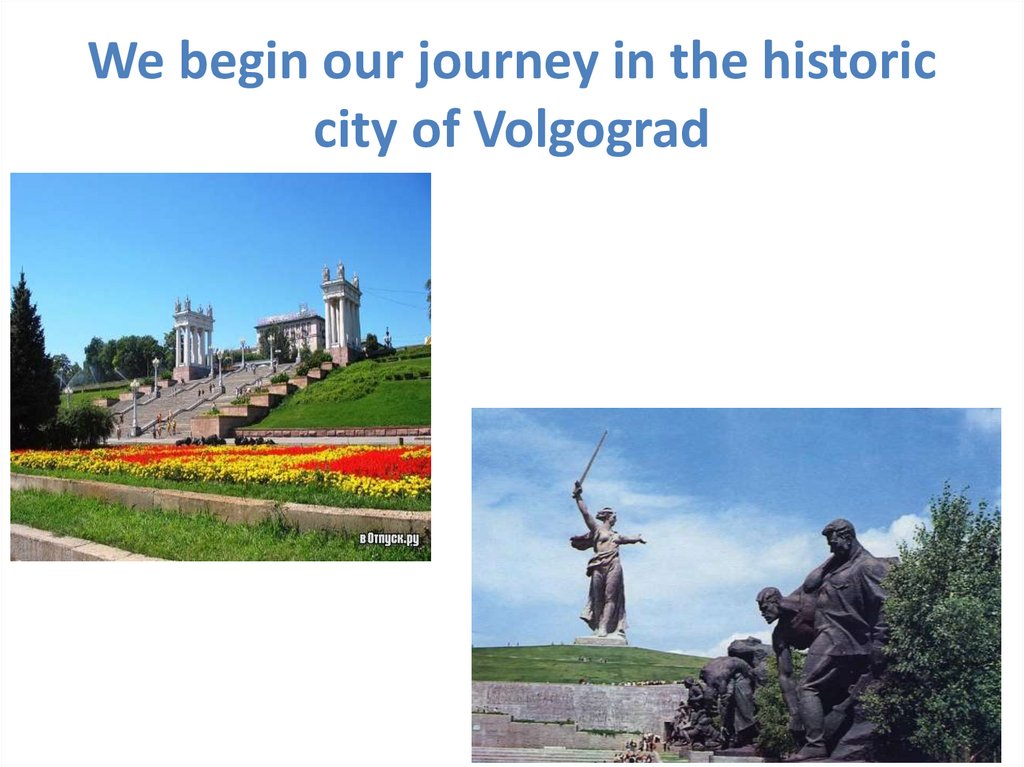
We begin our journey in the historiccity of Volgograd
4.
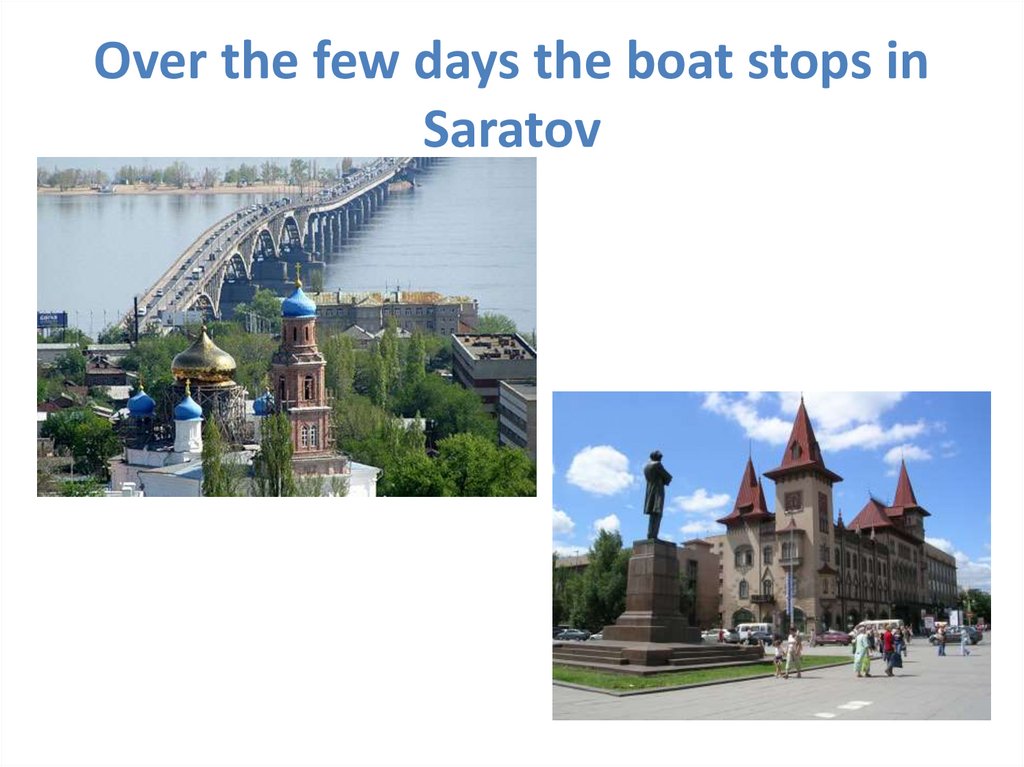
Over the few days the boat stops inSaratov
5.
In Kazan the Volga meets the Kazanka River6.
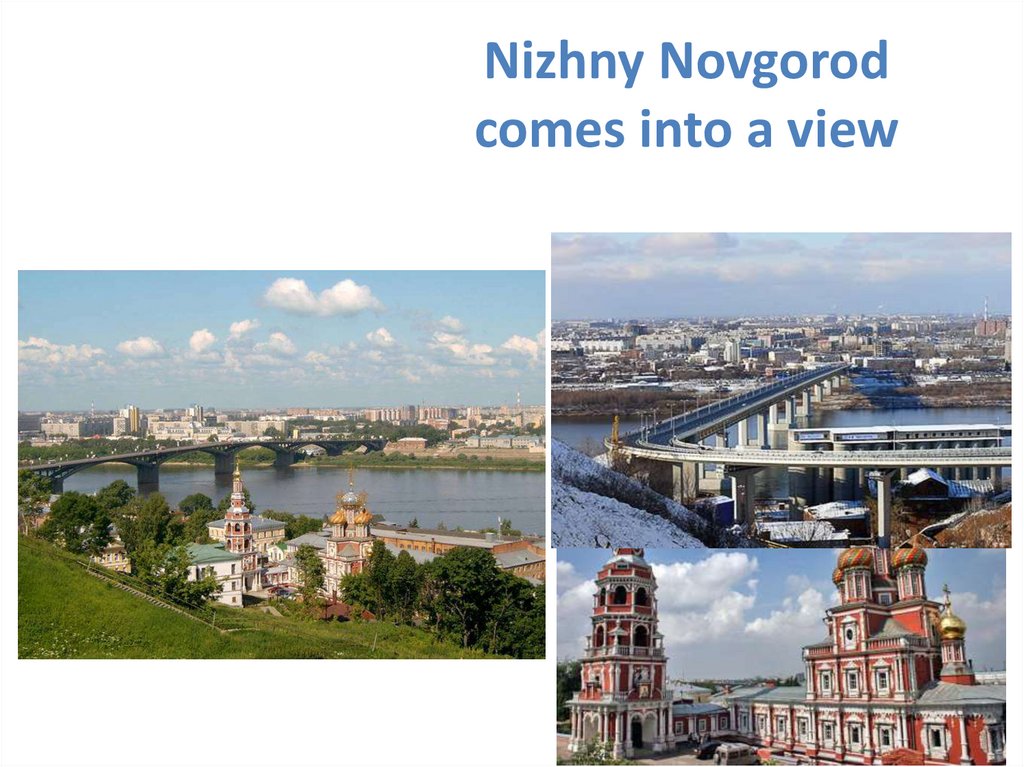
Nizhny Novgorodcomes into a view
7.
This city is as oldas Moscow.
8.
Finally, our voyage brings us to Yaroslavl9.
Answer the questions:1. What does statue the Motherland Calls celebrate?
2. Where could the tourist see rural life and go souvenir
shopping?
3. Where did they go on the third day of their voyage?
4. Why did the author call Kazan half Russian half Tatar?
5. In what city the Volga meets the Oka?
6. Which city is as old as Moscow?
7. Can you see the Lay of Igor’s Host in Kostroma or
Yaroslavl?
8. What century does icon Our Lady of St Theodor date
back?